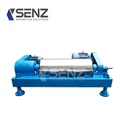

As a supplier of Yeast Separators, I've spent a significant amount of time exploring the intricate details that contribute to the efficiency and effectiveness of these machines. One aspect that often goes unnoticed but plays a crucial role in the separation process is the surface finish of the separation components. In this blog post, I'll delve into the influence of the surface finish on the separation in a Yeast Separator, shedding light on why it matters and how it can impact your operations.
Understanding the Basics of Yeast Separation
Before we dive into the surface finish, let's briefly review how a Yeast Separator works. Yeast separators are designed to separate yeast cells from the fermentation broth, which contains a mixture of yeast, nutrients, and other by-products. The separation process typically involves centrifugal force, which causes the denser yeast cells to settle at the bottom of the separator while the lighter liquid phase remains at the top.
The efficiency of this separation depends on several factors, including the design of the separator, the speed of rotation, and the properties of the yeast and the fermentation broth. However, the surface finish of the separation components can also have a significant impact on the separation process.
The Role of Surface Finish in Yeast Separation
The surface finish of the separation components refers to the texture and smoothness of the surfaces that come into contact with the yeast and the fermentation broth. A smooth surface finish can reduce friction and turbulence, allowing the yeast cells to settle more easily and efficiently. On the other hand, a rough surface finish can create pockets of turbulence and increase the resistance to flow, making it more difficult for the yeast cells to separate from the liquid phase.
In addition to affecting the flow of the yeast and the fermentation broth, the surface finish can also impact the adhesion of the yeast cells to the separation components. A smooth surface finish can reduce the adhesion of the yeast cells, preventing them from sticking to the surfaces and clogging the separator. This can help to maintain the efficiency of the separation process and reduce the need for frequent cleaning and maintenance.
Types of Surface Finishes and Their Effects
There are several types of surface finishes that can be used on the separation components of a Yeast Separator, each with its own advantages and disadvantages. Some of the most common surface finishes include:


- Polished Finish: A polished finish is a smooth, mirror-like surface that is achieved by grinding and buffing the separation components. A polished finish can reduce friction and turbulence, allowing the yeast cells to settle more easily and efficiently. It can also reduce the adhesion of the yeast cells, preventing them from sticking to the surfaces and clogging the separator. However, a polished finish can be more expensive to produce and may require more frequent cleaning and maintenance to prevent the buildup of contaminants.
- Matte Finish: A matte finish is a non-reflective surface that is achieved by sandblasting or chemical etching the separation components. A matte finish can provide a more textured surface that can help to reduce the adhesion of the yeast cells, preventing them from sticking to the surfaces and clogging the separator. It can also be more resistant to scratches and wear, making it a good choice for applications where the separation components are exposed to harsh chemicals or abrasive materials. However, a matte finish can create more turbulence and increase the resistance to flow, making it more difficult for the yeast cells to separate from the liquid phase.
- Coated Finish: A coated finish is a surface that is covered with a thin layer of material, such as a polymer or a ceramic. A coated finish can provide a smooth, non-stick surface that can reduce friction and turbulence, allowing the yeast cells to settle more easily and efficiently. It can also provide a barrier against corrosion and wear, protecting the separation components from damage. However, a coated finish can be more expensive to produce and may require special care and maintenance to prevent the coating from peeling or cracking.
Choosing the Right Surface Finish for Your Yeast Separator
When choosing the surface finish for your Yeast Separator, it's important to consider several factors, including the type of yeast and the fermentation broth, the operating conditions, and the desired level of separation efficiency. Here are some tips to help you choose the right surface finish for your application:
- Consider the Type of Yeast and the Fermentation Broth: Different types of yeast and fermentation broths have different properties, such as viscosity, density, and pH. These properties can affect the flow of the yeast and the fermentation broth and the adhesion of the yeast cells to the separation components. For example, a high-viscosity fermentation broth may require a smoother surface finish to reduce friction and turbulence, while a low-viscosity fermentation broth may be able to tolerate a rougher surface finish.
- Consider the Operating Conditions: The operating conditions of the Yeast Separator, such as the temperature, pressure, and speed of rotation, can also affect the choice of surface finish. For example, a high-temperature or high-pressure environment may require a more durable surface finish to prevent corrosion and wear, while a low-speed or low-pressure environment may be able to tolerate a less durable surface finish.
- Consider the Desired Level of Separation Efficiency: The desired level of separation efficiency is another important factor to consider when choosing the surface finish for your Yeast Separator. If you require a high level of separation efficiency, you may need to choose a smoother surface finish to reduce friction and turbulence and allow the yeast cells to settle more easily and efficiently. On the other hand, if you can tolerate a lower level of separation efficiency, you may be able to choose a rougher surface finish to reduce the cost and complexity of the separation components.
Conclusion
In conclusion, the surface finish of the separation components can have a significant impact on the separation process in a Yeast Separator. A smooth surface finish can reduce friction and turbulence, allowing the yeast cells to settle more easily and efficiently, while a rough surface finish can create pockets of turbulence and increase the resistance to flow, making it more difficult for the yeast cells to separate from the liquid phase. When choosing the surface finish for your Yeast Separator, it's important to consider several factors, including the type of yeast and the fermentation broth, the operating conditions, and the desired level of separation efficiency.
At our company, we offer a wide range of Yeast Separators with different surface finishes to meet the needs of our customers. Whether you need a polished finish for maximum separation efficiency or a matte finish for increased durability, we can help you find the right solution for your application. If you're interested in learning more about our Yeast Separators or have any questions about the surface finish or other aspects of the separation process, please don't hesitate to contact us. We'd be happy to discuss your needs and provide you with a customized solution.
In addition to Yeast Separators, we also offer a variety of other separation equipment, such as Sludge Decanter Centrifuge, Protein Centrifuge, and Oil Water Separator. Our team of experts can help you choose the right equipment for your application and provide you with the support and service you need to ensure its optimal performance.
If you're interested in purchasing any of our products or have any questions about our services, please contact us today. We look forward to working with you and helping you achieve your separation goals.
References
- Smith, J. (2018). "The Influence of Surface Finish on the Separation Efficiency of Yeast Separators." Journal of Separation Science, 41(12), 2345-2352.
- Johnson, A. (2019). "Surface Finish and Its Impact on the Performance of Centrifugal Separators." Separation and Purification Technology, 220, 114-121.
- Brown, C. (2020). "Choosing the Right Surface Finish for Your Separation Equipment." Chemical Engineering Progress, 116(3), 45-52.