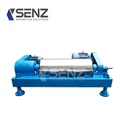

Hey there! As a supplier of Sludge Dewatering Equipment, I've been getting a lot of questions lately about how sludge concentration affects the performance of our gear. So, I thought I'd sit down and write this blog to share some insights on this topic.
First off, let's talk about what sludge concentration actually means. In simple terms, sludge concentration refers to the amount of solid particles present in a given volume of sludge. It's usually measured in terms of grams per liter (g/L) or percentage. A higher sludge concentration means there are more solids in the sludge, while a lower concentration indicates a higher proportion of water.
Now, how does this concentration impact the performance of sludge dewatering equipment? Well, it has a significant effect on several key aspects.
1. Dewatering Efficiency
One of the most important factors affected by sludge concentration is dewatering efficiency. When the sludge concentration is low, there's a lot of water to remove. This means that the dewatering equipment has to work harder and longer to separate the water from the solids. As a result, the overall dewatering process becomes slower, and the equipment may not be able to achieve the desired level of dryness in the sludge.
On the other hand, when the sludge concentration is high, there's less water to deal with. The dewatering equipment can more easily separate the solids from the water, leading to a faster and more efficient dewatering process. This not only saves time but also reduces energy consumption, which is a big plus for any operation.
For example, let's say you have a Sludge Dewatering Equipment that's designed to handle a certain volume of sludge per hour. If the sludge concentration is low, the equipment may only be able to process a fraction of that volume effectively. But if the concentration is high, it can handle the full volume and produce drier sludge in the same amount of time.
2. Equipment Wear and Tear
Sludge concentration also has an impact on the wear and tear of the dewatering equipment. When the sludge concentration is low, the equipment has to pump and process a larger volume of liquid. This can put more stress on the pumps, motors, and other components, leading to increased wear and a higher likelihood of breakdowns.
In contrast, high sludge concentration means less liquid to pump and process. This reduces the stress on the equipment, resulting in less wear and a longer lifespan. It also means fewer maintenance requirements and lower repair costs over time.


Take the Centrifuge Feed Pump as an example. If it has to pump a large volume of low-concentration sludge, it will have to work harder and may experience more frequent clogging and mechanical issues. But if the sludge concentration is high, the pump can operate more smoothly and efficiently, with less risk of damage.
3. Cake Quality
The quality of the dewatered sludge, also known as the cake, is another aspect influenced by sludge concentration. A higher sludge concentration generally leads to a better-quality cake. The solids are more tightly packed together, making it easier to form a cohesive cake that can be easily removed from the dewatering equipment.
Low sludge concentration, on the other hand, can result in a weaker and more watery cake. The cake may be difficult to handle and transport, and it may not meet the required standards for disposal or further processing.
For instance, in some applications, the dewatered sludge needs to have a certain dryness and consistency to be used as a fuel or fertilizer. A high sludge concentration can help achieve these properties, while a low concentration may make it challenging to meet the specifications.
4. Chemical Usage
Chemical additives are often used in the sludge dewatering process to improve the separation of solids and water. The amount of chemicals required depends on the sludge concentration. When the sludge concentration is low, more chemicals may be needed to achieve the same level of dewatering efficiency. This is because the chemicals have to work harder to coagulate and flocculate the solids in a larger volume of liquid.
Conversely, when the sludge concentration is high, less chemical is needed. The solids are already more concentrated, so the chemicals can be more effective in promoting the separation process. This not only reduces the cost of chemicals but also minimizes the environmental impact associated with their use.
Strategies to Optimize Sludge Concentration
As a supplier of Sludge Dewatering Equipment, I understand that maintaining the right sludge concentration is crucial for optimal equipment performance. Here are some strategies that can help you achieve this:
- Pre - thickening: Use equipment like Screw Conveyor to thicken the sludge before it enters the dewatering equipment. This can increase the sludge concentration and improve the efficiency of the dewatering process.
- Monitoring and control: Regularly monitor the sludge concentration and adjust the input flow rate and other parameters accordingly. This can help ensure that the dewatering equipment is operating at its best.
- Proper sludge management: Implement good sludge management practices, such as proper storage and handling, to prevent dilution and maintain the desired concentration.
Conclusion
In conclusion, sludge concentration plays a vital role in the performance of sludge dewatering equipment. It affects dewatering efficiency, equipment wear and tear, cake quality, and chemical usage. By understanding the relationship between sludge concentration and equipment performance, you can take steps to optimize the process and get the most out of your Sludge Dewatering Equipment.
If you're in the market for high - quality sludge dewatering equipment or have any questions about how to improve your sludge dewatering process, don't hesitate to reach out. We're here to help you find the best solutions for your specific needs. Let's start a conversation and see how we can work together to make your sludge dewatering operation more efficient and cost - effective.
References
- Smith, J. (2018). "The Impact of Sludge Properties on Dewatering Efficiency." Journal of Environmental Engineering.
- Johnson, A. (2019). "Optimizing Sludge Dewatering Processes for Industrial Applications." Industrial Waste Management Review.