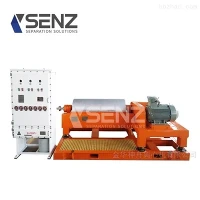
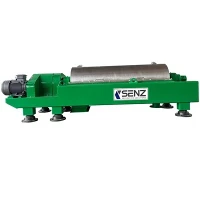
Hey there! As a supplier of fish oil decanter centrifuges, I've got a ton of experience when it comes to these nifty machines. And one crucial aspect that often gets overlooked is the transportation of these centrifuges. So, let's dive right into the transportation precautions for a fish oil decanter centrifuge.
First off, packaging is key. You can't just throw these things in a box and hope for the best. A fish oil decanter centrifuge is a complex and delicate piece of equipment. It's got all sorts of moving parts and sensitive components. That's why we use high - quality packaging materials. We wrap the centrifuge in shock - absorbing materials like foam and bubble wrap. This helps to protect it from any bumps and jolts during transit. The outer packaging should be a sturdy wooden crate. It provides an extra layer of protection and can withstand a fair amount of pressure.
When it comes to loading and unloading the centrifuge, it's important to be extra careful. You need to use proper lifting equipment. Cranes or forklifts are usually the way to go. Make sure the lifting points on the centrifuge are correctly identified and used. Mishandling during loading or unloading can cause serious damage to the machine. For example, if you lift it from the wrong point, it could cause misalignment of the internal components, which would then affect its performance.


Another thing to keep in mind is the transportation environment. Fish oil decanter centrifuges are sensitive to temperature and humidity. Extreme temperatures can cause the materials in the centrifuge to expand or contract, which might lead to cracks or other damages. High humidity can cause corrosion, especially on the metal parts. So, if you're transporting the centrifuge over long distances, try to use a climate - controlled transport vehicle. This way, you can keep the temperature and humidity within the acceptable range for the centrifuge.
During the journey, the centrifuge should be properly secured. It should be fastened down inside the transport vehicle to prevent it from moving around. Loose movement can lead to collisions with other objects in the vehicle, which can cause damage. We usually use straps or ropes to tie the centrifuge firmly in place.
Now, let's talk about documentation. When you're transporting a fish oil decanter centrifuge, you need to have all the necessary documents in order. This includes the bill of lading, which details the contents of the shipment, the origin, and the destination. You also need to have the product manual and any warranty information. These documents are important for customs clearance and for the recipient to understand how to use and maintain the centrifuge.
If you're shipping the centrifuge internationally, there are additional considerations. You need to be aware of the customs regulations of the destination country. Some countries have strict rules about importing certain types of machinery. You might need to obtain special permits or pay import duties. It's a good idea to work with a freight forwarder who has experience in handling these types of shipments. They can help you navigate through all the paperwork and regulations.
It's also a good practice to take out insurance for the shipment. Accidents can happen during transportation, and having insurance can give you peace of mind. If something goes wrong and the centrifuge gets damaged, you can file a claim and get compensated for the loss.
Now, as a supplier, I want to mention some related products. If you're interested in other types of centrifuges, we also offer Sugar Cane Juice Machine, Manure Decanter Centrifuge, and Soya Milk Decanter Centrifuge. These are all high - quality products that can meet different industrial needs.
If you're in the market for a fish oil decanter centrifuge or any of our other products, don't hesitate to reach out. We're here to answer all your questions and help you make the right choice. Whether you're a small - scale producer or a large industrial operation, we've got the right centrifuge for you. Contact us today to start the procurement process and let's work together to find the perfect solution for your business.
References:
- General knowledge and experience in the centrifuge industry.
- Industry best practices for transporting industrial machinery.