
In the realm of industrial waste management, oil water separators play a crucial role in separating oil from water, ensuring that water can be disposed of or reused in an environmentally friendly manner. As a supplier of oil water separators, I've witnessed firsthand the importance of not only separating the oil and water effectively but also recycling the separated water. This blog post will delve into the various methods and considerations for recycling the separated water from an oil water separator.
Understanding the Quality of Separated Water
Before diving into the recycling process, it's essential to understand the quality of the separated water. The water that comes out of an oil water separator may still contain trace amounts of oil, suspended solids, and other contaminants. The level of contamination depends on several factors, including the type of oil being separated, the efficiency of the separator, and the source of the water.
Physical Treatment Methods
One of the most common ways to recycle the separated water is through physical treatment methods. These methods involve removing the remaining contaminants through processes such as filtration, sedimentation, and flotation.
Filtration
Filtration is a simple yet effective method for removing suspended solids from the water. There are various types of filters available, including sand filters, activated carbon filters, and membrane filters. Sand filters are commonly used for removing larger particles, while activated carbon filters are effective in removing organic contaminants and odors. Membrane filters, on the other hand, can remove even the smallest particles and microorganisms.
Sedimentation
Sedimentation is a process where the water is allowed to stand still, allowing the heavier particles to settle at the bottom. This method is effective in removing larger particles and some of the suspended solids. The sediment can then be removed, and the clarified water can be further treated.
Flotation
Flotation is a process where air bubbles are introduced into the water, causing the oil and other contaminants to float to the surface. The floating contaminants can then be skimmed off, leaving behind cleaner water. Flotation is particularly effective in removing oil and grease from the water.
Chemical Treatment Methods
In addition to physical treatment methods, chemical treatment methods can also be used to recycle the separated water. These methods involve adding chemicals to the water to remove or neutralize the contaminants.
Coagulation and Flocculation
Coagulation and flocculation are processes where chemicals are added to the water to cause the suspended particles to clump together. This makes it easier to remove the particles through sedimentation or filtration. Common coagulants include aluminum sulfate and ferric chloride, while flocculants such as polyacrylamide can be used to enhance the clumping process.
Disinfection
Disinfection is a process where chemicals such as chlorine or ozone are added to the water to kill any remaining microorganisms. This is particularly important if the water is going to be reused for purposes such as irrigation or industrial processes.
Biological Treatment Methods
Biological treatment methods involve using microorganisms to break down the organic contaminants in the water. These methods are often used in combination with physical and chemical treatment methods to achieve a higher level of water purification.
Activated Sludge Process
The activated sludge process is a common biological treatment method where the water is mixed with a culture of microorganisms in an aeration tank. The microorganisms break down the organic contaminants in the water, and the resulting sludge can be removed through sedimentation.
Constructed Wetlands
Constructed wetlands are another biological treatment method where the water is passed through a wetland area containing plants and microorganisms. The plants and microorganisms help to remove the contaminants from the water through processes such as filtration, absorption, and biodegradation.
Reuse of Recycled Water
Once the separated water has been treated and recycled, it can be reused for various purposes. Some common uses of recycled water include:
Industrial Processes
Recycled water can be used in industrial processes such as cooling, washing, and manufacturing. This can help to reduce the demand for fresh water and lower the cost of water treatment.
Irrigation
Recycled water can be used for irrigation purposes, providing a sustainable source of water for agriculture. However, it's important to ensure that the water quality meets the requirements for irrigation to avoid any negative impacts on the soil and crops.
Toilet Flushing
Recycled water can also be used for toilet flushing, reducing the amount of fresh water used in households and commercial buildings.
Our Products and Their Role in Water Recycling
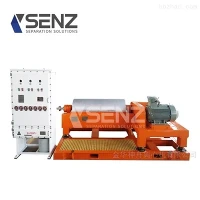
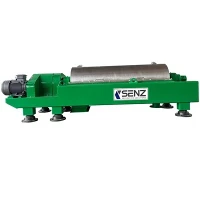
As an oil water separator supplier, we offer a range of products that can help in the water recycling process. Our Oil Sludge Decanter Centrifuge is designed to separate oil and sludge from water, providing a more efficient way to treat the separated water. Our Paper Pulp Wastewater Treatment system can effectively remove contaminants from paper pulp wastewater, making it suitable for recycling. The Manure Decanter can separate solid and liquid components from manure, and the separated water can be further treated and recycled. Our Slaughterhouse Wastewater Treatment system is designed to handle the high levels of organic matter and pathogens in slaughterhouse wastewater, ensuring that the separated water can be safely recycled. And our Sewage Decanter Centrifuge can separate solid and liquid components from sewage, making it easier to treat and recycle the water.
Conclusion
Recycling the separated water from an oil water separator is not only environmentally friendly but also economically beneficial. By using a combination of physical, chemical, and biological treatment methods, the water can be treated to a high enough quality to be reused for various purposes. As an oil water separator supplier, we are committed to providing our customers with the best solutions for water recycling. If you are interested in learning more about our products or have any questions about water recycling, please feel free to contact us for a procurement discussion.


References
- Metcalf & Eddy. (2003). Wastewater Engineering: Treatment and Reuse. McGraw-Hill.
- Tchobanoglous, G., Burton, F. L., & Stensel, H. D. (2003). Wastewater Engineering: Treatment, Disposal, and Reuse. McGraw-Hill.
- USEPA. (2012). Water Reuse: Applications and Issues. U.S. Environmental Protection Agency.