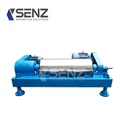

High-speed centrifuges are workhorses in various industries, from biotech to chemical processing. As a Centrifuge Maintenance supplier, I've seen firsthand how proper maintenance can keep these machines running smoothly and extend their lifespan. In this blog, I'll walk you through the essential maintenance procedures for a high-speed centrifuge.
Daily Checks
The first step in maintaining a high-speed centrifuge is to perform daily checks. These quick inspections can catch small issues before they turn into major problems.


Visual Inspection
Start by giving the centrifuge a good visual once-over. Look for any signs of damage, such as cracks in the housing or loose parts. Check the rotor for any visible wear or damage, like scratches or dents. If you notice anything out of the ordinary, it's best to address it right away.
Cleaning
Keeping the centrifuge clean is crucial for its performance. Wipe down the exterior of the machine with a damp cloth to remove any dust or debris. Make sure to clean the area around the rotor chamber as well. Inside the chamber, use a mild detergent and a soft brush to clean the rotor and the chamber walls. Rinse thoroughly and dry with a clean cloth.
Door Seal
Check the door seal for any signs of wear or damage. A damaged seal can lead to air leaks, which can affect the centrifuge's performance. If the seal is worn, it should be replaced as soon as possible. You can find replacement seals on our website Centrifuge Maintenance.
Rotor Balance
Before starting the centrifuge, make sure the rotor is properly balanced. An unbalanced rotor can cause excessive vibration, which can damage the centrifuge and shorten its lifespan. Use a balance tool to check the rotor's balance and adjust it if necessary.
Weekly Maintenance
In addition to daily checks, a high-speed centrifuge also requires weekly maintenance. These tasks are a bit more involved but are essential for keeping the centrifuge in top condition.
Lubrication
Some parts of the centrifuge, such as the bearings, need to be lubricated regularly. Check the manufacturer's instructions to see which parts need lubrication and what type of lubricant to use. Use a clean, lint-free cloth to apply the lubricant, and make sure to follow the recommended lubrication schedule.
Belt Inspection
Inspect the drive belt for any signs of wear or damage. A worn or damaged belt can cause the centrifuge to run inefficiently or not at all. If the belt is worn, it should be replaced. You can find replacement belts on our website Centrifuge Maintenance.
Electrical Connections
Check all the electrical connections to make sure they are tight and secure. Loose connections can cause electrical problems, which can be dangerous. If you notice any loose connections, tighten them using a screwdriver.
Filter Replacement
If your centrifuge has a filter, it should be replaced regularly. A clogged filter can reduce the centrifuge's performance and cause it to overheat. Check the manufacturer's instructions to see how often the filter should be replaced and what type of filter to use. You can find replacement filters on our website Centrifuge Maintenance.
Monthly Maintenance
Monthly maintenance tasks are more comprehensive and are designed to ensure the long-term reliability of the centrifuge.
Calibration
Calibrate the centrifuge regularly to ensure accurate performance. Calibration involves adjusting the centrifuge's speed, temperature, and other settings to match the manufacturer's specifications. You can use a calibration kit to perform the calibration yourself, or you can have it done by a professional.
Rotor Testing
Periodically test the rotor for any signs of fatigue or damage. Rotors are subjected to high stresses during operation, and over time, they can develop cracks or other defects. You can use a non-destructive testing method, such as ultrasonic testing, to check the rotor for defects. If any defects are found, the rotor should be replaced immediately.
Software Update
If your centrifuge has software, make sure to keep it up to date. Software updates can improve the centrifuge's performance, add new features, and fix bugs. Check the manufacturer's website regularly for software updates and follow the instructions to install them.
Annual Maintenance
Annual maintenance is the most comprehensive maintenance task and should be performed by a qualified technician.
Complete Overhaul
A complete overhaul involves disassembling the centrifuge, inspecting all the parts for wear or damage, and replacing any worn or damaged parts. The centrifuge is then reassembled and tested to ensure it is working properly. A complete overhaul can help extend the centrifuge's lifespan and prevent major breakdowns.
Performance Testing
After the overhaul, the centrifuge should be performance tested to ensure it is meeting the manufacturer's specifications. Performance testing involves running the centrifuge at different speeds and loads and measuring its performance. If any issues are found, they should be addressed before the centrifuge is put back into service.
Importance of Using Quality Parts
When performing maintenance on a high-speed centrifuge, it's important to use quality parts. Using cheap, low-quality parts can lead to premature wear and damage, which can shorten the centrifuge's lifespan and increase the risk of breakdowns. At Centrifuge Maintenance, we offer a wide range of high-quality parts for all makes and models of centrifuges. Our parts are made from the best materials and are designed to meet or exceed the manufacturer's specifications.
Related Equipment Maintenance
In addition to the centrifuge itself, there are also other pieces of equipment that are often used in conjunction with a centrifuge, such as the Centrifuge Feed Pump and the Screw Conveyor. These pieces of equipment also require regular maintenance to ensure they are working properly.
Centrifuge Feed Pump Maintenance
The centrifuge feed pump is responsible for supplying the centrifuge with the material to be separated. Regular maintenance of the feed pump includes checking the pump's seals, bearings, and impeller for wear or damage. The pump should also be cleaned regularly to prevent clogging.
Screw Conveyor Maintenance
The screw conveyor is used to transport the separated material from the centrifuge. Maintenance of the screw conveyor includes checking the conveyor's chain, sprockets, and bearings for wear or damage. The conveyor should also be cleaned regularly to prevent material buildup.
Conclusion
Proper maintenance is essential for the reliable operation of a high-speed centrifuge. By following the maintenance procedures outlined in this blog, you can keep your centrifuge running smoothly and extend its lifespan. If you have any questions or need help with centrifuge maintenance, please don't hesitate to contact us. We're here to help you get the most out of your centrifuge. Whether you're in the market for replacement parts, calibration services, or a complete overhaul, we've got you covered. Reach out to us to start a procurement discussion and ensure your centrifuge is always in top-notch condition.
References
- Manufacturer's manuals for high-speed centrifuges
- Industry standards and best practices for centrifuge maintenance