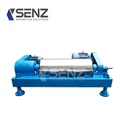

A centrifuge is a critical piece of equipment in various industries, including wastewater treatment, chemical processing, and food production. To ensure its optimal performance and longevity, regular maintenance of its seals and gaskets is essential. As a Centrifuge Maintenance supplier, we understand the importance of a well - structured maintenance schedule for these components.
Understanding the Role of Seals and Gaskets in a Centrifuge
Seals and gaskets play a crucial role in a centrifuge. They prevent the leakage of fluids, whether it's the process liquid being separated or the lubricants used in the centrifuge's mechanical parts. A properly functioning seal keeps the internal environment of the centrifuge stable, which is vital for accurate separation processes. Gaskets, on the other hand, provide a tight seal between different components of the centrifuge, such as the bowl and the cover, preventing any external contaminants from entering and ensuring the integrity of the separation process.


Factors Affecting Maintenance Schedules
Several factors influence the maintenance schedules for a centrifuge's seals and gaskets. These include the type of centrifuge, the nature of the process it is used for, the operating conditions, and the quality of the seals and gaskets themselves.
- Type of Centrifuge: Different types of centrifuges, such as decanter centrifuges, tubular bowl centrifuges, and disk stack centrifuges, have different seal and gasket configurations. For example, a decanter centrifuge, which is commonly used in Sludge Dewatering Equipment, may have seals that are more exposed to abrasive sludge particles. This means that the seals in a decanter centrifuge may require more frequent maintenance compared to a disk stack centrifuge used in a cleaner chemical process.
- Nature of the Process: The type of material being processed in the centrifuge has a significant impact on the wear and tear of seals and gaskets. If the centrifuge is used to separate corrosive chemicals, the seals and gaskets need to be made of materials that can withstand the corrosive environment. In such cases, more frequent inspections and replacements may be necessary. On the other hand, if the centrifuge is used for a relatively clean separation process, the maintenance intervals can be longer.
- Operating Conditions: High - speed operation, high temperatures, and high pressures can all accelerate the deterioration of seals and gaskets. A centrifuge operating at a very high rotational speed will subject the seals to greater centrifugal forces, which can cause them to wear out faster. Similarly, high - temperature processes can cause the seals to lose their elasticity, and high - pressure operations can lead to seal deformation. Therefore, centrifuges operating under extreme conditions require more frequent maintenance.
- Quality of Seals and Gaskets: The quality of the seals and gaskets installed in the centrifuge also affects the maintenance schedule. High - quality seals and gaskets made from durable materials will generally last longer and require less frequent replacement compared to lower - quality ones.
General Maintenance Schedules
Daily Checks
- Visual Inspection: A quick visual inspection of the seals and gaskets should be conducted daily. Look for any signs of leakage, such as wet spots around the seal areas or unusual odors. Check for any visible damage, such as cracks, tears, or deformations.
- Monitoring: Monitor the operating parameters of the centrifuge, such as temperature, pressure, and rotational speed. Any sudden changes in these parameters could indicate a problem with the seals or gaskets.
Weekly Checks
- Cleaning: Clean the area around the seals and gaskets to remove any debris or contaminants that could cause damage. Use a mild cleaning agent that is compatible with the seal and gasket materials.
- Tightening: Check the tightness of the bolts and nuts that secure the gaskets in place. Loose fasteners can lead to gasket failure and leakage.
Monthly Checks
- Lubrication: If the seals require lubrication, check the lubricant level and quality. Replace the lubricant if it is dirty or has degraded.
- Performance Testing: Conduct a simple performance test of the centrifuge to ensure that the seals and gaskets are functioning properly. This could involve checking the separation efficiency or the pressure drop across the centrifuge.
Quarterly Checks
- Measurement: Measure the dimensions of the seals and gaskets to check for any signs of wear. Compare the current measurements with the original specifications to determine if replacement is necessary.
- Material Analysis: If possible, conduct a material analysis of the seals and gaskets to check for any signs of chemical degradation or wear. This can help in predicting the remaining useful life of the components.
Annual Checks
- Replacement: As a general rule, seals and gaskets should be replaced at least once a year, even if they appear to be in good condition. This is because over time, the materials can degrade due to exposure to various environmental factors and operating conditions.
- Overhaul: Perform a complete overhaul of the centrifuge, including a thorough inspection of all seals and gaskets. Replace any components that show signs of significant wear or damage.
Customized Maintenance Schedules
In addition to the general maintenance schedules, it is often necessary to develop customized maintenance schedules based on the specific requirements of each centrifuge. This can be done by conducting a detailed risk assessment of the centrifuge's operation.
- Risk Assessment: Identify the potential risks associated with the centrifuge's operation, such as the likelihood of seal failure, the impact of a seal failure on the process, and the cost of downtime. Based on this assessment, develop a maintenance schedule that balances the cost of maintenance with the risk of equipment failure.
- Condition - Based Maintenance: Implement a condition - based maintenance strategy, where the maintenance of seals and gaskets is based on their actual condition rather than a fixed schedule. This can be achieved by using sensors to monitor the condition of the seals and gaskets, such as measuring the temperature, vibration, or leakage rate.
The Importance of Regular Maintenance
Regular maintenance of the centrifuge's seals and gaskets offers several benefits.
- Preventing Leakage: By ensuring that the seals and gaskets are in good condition, the risk of fluid leakage is minimized. This not only protects the environment but also prevents the loss of valuable process fluids.
- Extending Equipment Life: Proper maintenance can significantly extend the life of the centrifuge. By replacing worn - out seals and gaskets in a timely manner, the overall wear and tear on the centrifuge components are reduced, leading to fewer breakdowns and a longer service life.
- Improving Efficiency: Well - maintained seals and gaskets ensure that the centrifuge operates at its optimal efficiency. Leakage can cause a loss of pressure and reduce the separation efficiency of the centrifuge, resulting in higher operating costs.
Contact for Procurement and Consultation
If you are in need of high - quality centrifuge seals and gaskets, or if you require professional advice on centrifuge maintenance, we are here to help. Our team of experts has extensive experience in the field of Centrifuge Maintenance and can provide you with customized solutions to meet your specific needs. Whether you are using a centrifuge for Sludge Dewatering Equipment or a Screw Conveyor, we can assist you in ensuring the smooth and efficient operation of your equipment.
References
- "Centrifuge Technology Handbook" by John Doe
- "Maintenance and Troubleshooting of Industrial Centrifuges" by Jane Smith
- Industry standards and guidelines for centrifuge maintenance published by relevant professional organizations.