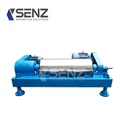
As a provider of yeast separators, we're well - acquainted with the frequent challenges that users encounter, and one of the most prominent issues is clogging. A clogged yeast separator can lead to reduced efficiency, increased maintenance costs, and even production downtime. In this blog, we'll explore effective strategies to prevent clogging in a yeast separator, ensuring smooth and continuous operation.
Understanding the Causes of Clogging
Before delving into prevention methods, it's crucial to understand the root causes of clogging in a yeast separator.
- Excessive Solid Concentrations: When the incoming mixture has a high solid content, it can overwhelm the separator's capacity to handle the solids, leading to an accumulation of material and eventual clogging.
- Fiber Entanglement: Yeast production often involves organic materials, and fibers can become tangled within the separator components. This not only obstructs the flow paths but also attracts other solids, further exacerbating the clogging issue.
- Corrosion and Deposits: Over time, corrosion can occur on the internal surfaces of the separator. Additionally, chemical deposits from the yeast - containing liquid can build up, narrowing the flow channels and causing blockages.
Routine Maintenance Practices
Routine maintenance is the cornerstone of preventing clogging in a yeast separator.
- Regular Cleaning: Establish a strict cleaning schedule. After each production cycle or at pre - determined intervals, thoroughly clean the separator. Use appropriate cleaning agents that are compatible with the separator materials. For example, a mild alkaline solution can be effective in removing organic residues. Ensure that all parts, including the inlet, outlet, and internal chambers, are cleaned. Pay special attention to areas where solids are likely to accumulate.
- Inspection of Components: Regularly inspect the key components of the separator, such as screens, filters, and impellers. Check for signs of wear, damage, or blockage. Screens with torn or excessively large openings can allow large particles to pass through, which can later cause clogging. Replace any worn - out components immediately to maintain the separator's optimal performance.
- Lubrication: Ensure that all moving parts are properly lubricated. This reduces friction and wear, preventing the generation of debris that could contribute to clogging. Use high - quality lubricants that are suitable for the operating environment of the yeast separator.
Feedstock Management
Proper management of the feedstock is essential to prevent clogging.
- Pre - Treatment: Implement pre - treatment processes for the incoming mixture. This can involve using a High Speed Decanter Centrifuge to remove large particles and excess solids before the mixture enters the yeast separator. A high - speed decanter centrifuge can effectively separate solids from the liquid phase, reducing the solid load on the separator.
- Flow Rate Control: Monitor and control the flow rate of the feedstock. An excessive flow rate can overwhelm the separator, causing solids to accumulate. Use flow meters and control valves to maintain a steady and appropriate flow rate. By adjusting the flow, you can ensure that the separator has enough time to separate the yeast from the liquid without getting clogged.
- Quality Control of Feedstock: Ensure that the quality of the incoming feedstock meets the requirements of the separator. Check for any foreign objects or contaminants that could cause blockages. Analyze the solid content, fiber content, and chemical composition regularly. If necessary, make adjustments to the production process upstream to improve the quality of the feedstock.
Operational Adjustments
Making appropriate operational adjustments can also play a significant role in preventing clogging.
- Separation Parameters: Optimize the separation parameters such as speed, temperature, and pressure. Adjusting these parameters according to the characteristics of the feedstock can improve the separation efficiency and reduce the likelihood of clogging. For example, increasing the speed of the separator can enhance the centrifugal force, which helps in better separation of solids and liquids.
- Back - Flushing: Implement a back - flushing mechanism. Periodically reverse the flow of the liquid through the separator to dislodge any accumulated solids. This can be an effective way to clear minor blockages and prevent further clogging. However, ensure that the back - flushing process is carried out in a controlled manner to avoid damaging the separator.
- Monitoring and Alarm Systems: Install monitoring and alarm systems to detect early signs of clogging. These systems can monitor parameters such as pressure differentials, flow rates, and motor currents. If any abnormal values are detected, an alarm can be triggered, allowing operators to take immediate action to prevent a full - scale clog.
Training and Staff Awareness
A well - trained and aware staff is vital in preventing clogging.
- Operator Training: Provide comprehensive training to the operators on the proper operation and maintenance of the yeast separator. Train them to recognize the signs of potential clogging, such as changes in pressure or flow patterns. Teach them how to perform routine maintenance tasks, including cleaning and component inspection.
- Safety Protocols: Ensure that the operators are familiar with safety protocols when dealing with the separator. This includes wearing appropriate personal protective equipment (PPE) and following safe operating procedures. By prioritizing safety, you can prevent accidents that could potentially lead to clogging or other operational issues.
Technology Upgrades
Consider upgrading the yeast separator technology to further prevent clogging.
- Advanced Separation Technologies: Look into utilizing more advanced separation technologies, such as Decanter Centrifuge Separation Wastewater. These technologies are designed to handle high - solid - content mixtures more efficiently and are less prone to clogging. They often incorporate features such as self - cleaning mechanisms and improved flow designs.
- Automation and Control Systems: Implement automation and control systems to optimize the operation of the separator. These systems can continuously monitor and adjust the separation parameters based on real - time data. This ensures that the separator operates at its best performance, reducing the risk of clogging.
Monitoring and Data Analysis
Regular monitoring and data analysis are essential for long - term clogging prevention.


- Performance Metrics: Establish key performance indicators (KPIs) for the yeast separator, such as separation efficiency, throughput, and pressure differentials. Continuously monitor these metrics to identify any trends or anomalies that could indicate potential clogging issues.
- Data - Driven Decision Making: Use data analytics to make informed decisions about maintenance schedules, feedstock management, and operational adjustments. By analyzing historical data, you can predict when clogging is likely to occur and take proactive measures to prevent it.
In conclusion, preventing clogging in a yeast separator requires a comprehensive approach that includes routine maintenance, feedstock management, operational adjustments, staff training, technology upgrades, and data - driven decision - making. By implementing these strategies, you can ensure the efficient and continuous operation of your yeast separator.
If you're facing clogging issues with your yeast separator or are interested in learning more about our high - quality yeast separators, which are designed with anti - clogging features, we invite you to contact us for a detailed discussion. Our team of experts is ready to provide you with customized solutions tailored to your specific needs. Let's work together to overcome the challenges of clogging and optimize your production process.
References
- Separation Technology Handbook, Third Edition
- Industrial Yeast Processing: Principles and Applications
- Centrifugal Separation in Biotechnology and Pharmaceutical Processes