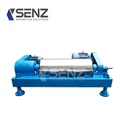

As a decanter machine supplier, I understand the significance of extending the lifespan of these valuable pieces of equipment. Decanter machines are widely used in various industries such as food processing, chemical, and wastewater treatment. Their efficient operation is crucial for the smooth running of production processes and cost - effectiveness. In this blog, I will share some practical tips on how to extend the lifespan of a decanter machine.
Regular Maintenance and Inspection
One of the most fundamental ways to ensure the long - term performance of a decanter machine is through regular maintenance and inspection. This includes both routine checks and scheduled overhauls.
Daily Checks
On a daily basis, operators should conduct a visual inspection of the decanter machine. Check for any signs of leaks, unusual vibrations, or abnormal noises. Examine the belts, pulleys, and couplings for proper tension and alignment. Any loose or damaged components should be tightened or replaced immediately. Also, monitor the temperature and pressure gauges to ensure that the machine is operating within the recommended parameters.
Weekly and Monthly Maintenance
Weekly maintenance tasks may involve cleaning the machine to remove any accumulated debris or product residue. This helps prevent clogging and corrosion. Monthly maintenance can include more in - depth inspections, such as checking the condition of the bearings and seals. Lubricate the moving parts as per the manufacturer's recommendations. Over - lubrication can be just as harmful as under - lubrication, so it is essential to follow the specified guidelines.
Scheduled Overhauls
Every few years, depending on the usage and operating conditions, a comprehensive overhaul of the decanter machine should be carried out. This involves disassembling the machine, inspecting all components for wear and tear, and replacing any parts that are beyond repair. A well - planned overhaul can significantly extend the lifespan of the machine and prevent major breakdowns.
Proper Installation and Setup
The initial installation and setup of the decanter machine play a vital role in its long - term performance.
Foundation and Alignment
Ensure that the decanter machine is installed on a solid and level foundation. An uneven foundation can cause excessive vibrations, which can lead to premature wear of components. Proper alignment of the machine is also crucial. Misaligned shafts can put additional stress on the bearings and seals, reducing their lifespan. Use precision alignment tools during the installation process to ensure accurate alignment.
Connection and Piping
All connections, including electrical, hydraulic, and piping, should be properly installed. Loose connections can lead to electrical failures, fluid leaks, and reduced efficiency. Use high - quality piping materials that are compatible with the processed materials. Avoid sharp bends in the piping, as they can cause blockages and increased pressure drop.
Operator Training
Well - trained operators are essential for the proper operation and maintenance of a decanter machine.


Training Programs
Provide comprehensive training programs for operators. These programs should cover the basic operation of the machine, safety procedures, and routine maintenance tasks. Operators should understand the importance of following the operating instructions and be able to recognize and respond to any abnormal situations.
Continuous Learning
Encourage operators to engage in continuous learning. Keep them updated on the latest technological advancements and best practices in decanter machine operation. This can help them optimize the machine's performance and identify potential issues before they become major problems.
Quality of Processed Materials
The quality of the materials processed by the decanter machine can have a significant impact on its lifespan.
Material Characteristics
Understand the characteristics of the materials being processed, such as particle size, density, and chemical composition. Some materials may be abrasive or corrosive, which can cause accelerated wear of the machine's components. If necessary, pre - treat the materials to reduce their impact on the machine. For example, use a screening process to remove large particles before they enter the decanter machine.
Feed Rate and Concentration
Maintain a stable feed rate and concentration of the processed materials. Overloading the machine can cause excessive stress on the components and reduce its efficiency. On the other hand, a very low feed rate may not allow the machine to operate at its optimal level. Monitor the feed rate and concentration continuously and make adjustments as needed.
Environmental Conditions
The operating environment of the decanter machine can also affect its lifespan.
Temperature and Humidity
Control the temperature and humidity in the operating area. High temperatures can cause the lubricants to break down more quickly, while high humidity can lead to corrosion. Install proper ventilation and air - conditioning systems if necessary to maintain a stable environment.
Dust and Contaminants
Minimize the presence of dust and contaminants in the operating area. Dust can enter the machine and cause abrasion of the moving parts. Use dust - collection systems and keep the area clean. If the machine is used in a harsh environment, consider using protective enclosures to shield it from external elements.
Upgrades and Retrofits
As technology advances, upgrading and retrofitting the decanter machine can be a cost - effective way to extend its lifespan.
Component Upgrades
Replace old or worn - out components with newer, more advanced ones. For example, upgrading to high - performance bearings or seals can improve the machine's reliability and efficiency. Some components may also be designed to be more resistant to wear and corrosion.
Control System Upgrades
Upgrade the control system of the decanter machine to improve its automation and monitoring capabilities. A modern control system can provide real - time data on the machine's performance, allowing for more precise control and early detection of potential issues.
Monitoring and Diagnostic Tools
Utilize monitoring and diagnostic tools to keep track of the decanter machine's performance.
Vibration Monitoring
Install vibration sensors to monitor the machine's vibrations. Abnormal vibrations can indicate misalignment, imbalance, or bearing problems. By analyzing the vibration data, operators can detect potential issues early and take corrective actions.
Oil Analysis
Regularly analyze the lubricating oil in the machine. Oil analysis can provide information about the wear of components, the presence of contaminants, and the condition of the lubricant itself. Based on the analysis results, operators can determine when to change the oil and take preventive measures.
In conclusion, extending the lifespan of a decanter machine requires a comprehensive approach that includes regular maintenance, proper installation, operator training, consideration of processed materials and environmental conditions, upgrades, and the use of monitoring tools. By implementing these strategies, you can ensure that your decanter machine operates efficiently for many years, reducing downtime and saving costs.
If you are interested in our Decanter Centrifuge Manufacturer products, such as the Tapioca Extraction Centrifuge or Scroll Discharge Decanter Centrifuge, and would like to discuss your specific requirements, please feel free to contact us for procurement negotiations. We are committed to providing you with high - quality decanter machines and excellent after - sales service.
References
- "Centrifuge Technology Handbook"
- Industry whitepapers on decanter machine operation and maintenance