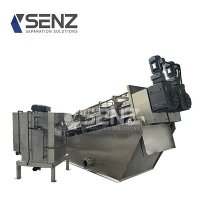

Hey there! As a supplier of oil water separators, I often get asked about the best way to store these units when they're not in use. It's a crucial topic because proper storage can significantly extend the lifespan of your oil water separator and ensure it performs at its best when you need it again. So, let's dive right into it.
Why Proper Storage Matters
First off, why should you care about storing your oil water separator correctly? Well, these machines are pretty complex and expensive pieces of equipment. If they're not stored properly, they can suffer from corrosion, damage to internal components, and other issues that can lead to costly repairs or even the need for a full replacement. Plus, a well - stored separator will be ready to go when you need it, saving you time and hassle.
Cleaning Before Storage
Before you even think about putting your oil water separator into storage, you need to give it a thorough cleaning. This is super important because any leftover oil, water, or debris can cause problems over time.
- Drain the System: Start by draining all the oil and water from the separator. Make sure to follow all safety procedures and local regulations when disposing of these fluids.
- Flush with Clean Water: Once the system is drained, flush it with clean water to remove any remaining residue. You might want to use a mild detergent to get rid of stubborn dirt or grease. Just make sure to rinse it thoroughly afterward to avoid leaving any detergent behind.
- Clean the Filters: The filters in your oil water separator play a crucial role in its operation. Remove them and clean them according to the manufacturer's instructions. If they're too dirty or damaged, it might be a good idea to replace them before storage.
Preparing the Separator for Storage
After cleaning, there are a few more steps you need to take to prepare the separator for long - term storage.
- Lubricate Moving Parts: Apply a thin layer of lubricant to all moving parts, such as valves and pumps. This will prevent them from rusting and ensure they operate smoothly when you bring the separator back into use.
- Protect Electrical Components: If your separator has electrical components, cover them with a waterproof and dust - proof material. Moisture and dust can cause electrical short - circuits and damage these parts.
Choosing the Right Storage Location
Picking the right place to store your oil water separator is key. Here are some factors to consider:


- Dry Environment: Moisture is the enemy of metal and electrical components. Choose a storage area that is dry and well - ventilated. Avoid areas prone to flooding or high humidity.
- Temperature Control: Extreme temperatures can also damage your separator. Try to find a storage space where the temperature remains relatively stable. Avoid storing it in direct sunlight or in an area that gets too cold in the winter.
- Protection from Physical Damage: Make sure the storage area is free from any potential hazards that could cause physical damage to the separator. This includes heavy machinery, falling objects, or vehicles.
Storing the Separator
Once you've prepared the separator and found the right storage location, it's time to actually store it.
- Secure the Unit: If possible, secure the separator to prevent it from tipping over or moving around. You can use straps or brackets to hold it in place.
- Cover the Unit: Use a high - quality cover to protect the separator from dust, dirt, and debris. Make sure the cover fits snugly and is made of a durable material.
Maintenance During Storage
Even when the separator is in storage, it still needs some maintenance to keep it in good condition.
- Regular Inspections: Check on the separator every few months to make sure there are no signs of damage or corrosion. Look for any leaks, rust, or other issues and address them immediately.
- Keep Records: Keep a record of all the maintenance and inspections you perform during storage. This will help you keep track of the separator's condition and ensure you're following the recommended maintenance schedule.
Related Applications of Separation Technology
Oil water separators are just one part of the broader field of separation technology. There are other interesting applications, too. For instance, Potato Starch Extraction involves separating starch from potato pulp. Another application is Slaughterhouse Wastewater Treatment, where separators are used to remove solids and oils from the wastewater. And the Volute Screw Press is also a great example of separation technology in action, used for dewatering various types of sludge.
Getting Your Separator Back in Action
When you're ready to use the oil water separator again, there are a few steps you need to take.
- Inspect the Unit: Before starting the separator, give it a thorough inspection to make sure everything is in good working condition. Check for any signs of damage or corrosion that might have occurred during storage.
- Remove the Protective Cover: Take off the cover and remove any protective materials from the electrical components.
- Re - assemble and Test: Re - assemble any parts that were removed for storage, such as filters and lubricated components. Then, test the separator to make sure it's operating correctly.
Contact Us for More Information
If you have any questions about storing your oil water separator or if you're in the market for a new one, don't hesitate to reach out. We're here to help you get the most out of your separation equipment. Whether you need advice on maintenance, storage, or choosing the right model for your needs, our team of experts is ready to assist.
References
- Manufacturer's Manuals for Oil Water Separators
- Industry Standards for Separator Storage and Maintenance