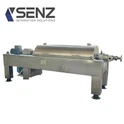

Centrifuges are workhorses in many industries, from pharmaceuticals and biotechnology to wastewater treatment and food processing. As a Centrifuge Maintenance supplier, I've seen my fair share of common problems that can crop up during the maintenance of these vital machines. In this blog post, I'll share some of these issues and offer insights on how to address them.
1. Vibration and Imbalance
One of the most frequent problems we encounter is excessive vibration. Vibration can be caused by several factors, but the most common one is imbalance. An imbalanced centrifuge rotor can lead to uneven wear on the bearings, which in turn can cause premature failure.
When a centrifuge is running, the rotor should spin smoothly. If there's an imbalance, it can throw off the whole operation. Imagine trying to ride a bike with a wobbly wheel - it's not going to be a smooth ride. The same goes for a centrifuge.
To fix this issue, you need to check the rotor for proper loading. Make sure that samples are evenly distributed in the rotor to avoid creating an imbalance. If the problem persists, it might be time to check the rotor for damage. Sometimes, a small chip or crack can cause an imbalance. In such cases, you might need to replace the rotor.
2. Bearing Wear and Tear
Bearings are crucial components in a centrifuge. They allow the rotor to spin freely, and over time, they can wear out. This wear and tear can be accelerated by factors like high speeds, improper lubrication, or contamination.
When bearings start to wear, you might notice strange noises coming from the centrifuge. It could sound like a grinding or whining noise. This is a clear sign that something is wrong. If you ignore this problem, it can lead to more serious issues, such as the rotor seizing up.
To prevent bearing wear, regular lubrication is essential. You should follow the manufacturer's guidelines for lubrication intervals and use the recommended lubricant. Also, make sure that the centrifuge is kept in a clean environment to avoid contamination. If you suspect bearing wear, it's best to have a professional technician check it out. They can replace the bearings if necessary.
3. Sealing Problems
Seals are used to prevent leakage of fluids and contaminants in a centrifuge. Over time, these seals can deteriorate, leading to leaks. This is a big problem, especially in industries where the fluids being processed are hazardous or expensive.
A leaky seal can not only cause a loss of product but also pose a safety risk. For example, in a pharmaceutical centrifuge, a leak could contaminate the product. In a wastewater treatment centrifuge, a leak could release harmful chemicals into the environment.
To address sealing problems, you need to regularly inspect the seals for signs of wear or damage. If you notice any cracks or tears, replace the seals immediately. Also, make sure that the seals are installed correctly. Incorrect installation can cause premature failure.
4. Control System Malfunctions
Centrifuges are often equipped with complex control systems that regulate the speed, temperature, and other parameters. These control systems can malfunction due to a variety of reasons, such as electrical problems, software glitches, or sensor failures.
When the control system malfunctions, the centrifuge might not operate correctly. For example, it might run at the wrong speed or fail to stop when it should. This can lead to product damage or even equipment failure.
If you suspect a control system malfunction, it's important to have it diagnosed by a qualified technician. They can use specialized tools to test the control system and identify the problem. In some cases, you might need to replace certain components or update the software.
5. Overheating
Overheating is another common problem in centrifuge maintenance. This can be caused by a variety of factors, such as high ambient temperature, excessive use, or a malfunctioning cooling system.


When a centrifuge overheats, it can damage the internal components, reduce the lifespan of the machine, and even pose a fire hazard. You can prevent overheating by making sure that the centrifuge has proper ventilation. Don't place it in a confined space or near a heat source. Also, follow the manufacturer's guidelines for usage limits. If the centrifuge has a cooling system, make sure it's working properly. Regularly clean the cooling fins and check the coolant level.
6. Belt and Pulley Issues
Centrifuges often use belts and pulleys to transfer power from the motor to the rotor. Over time, these belts can stretch, wear out, or break. When this happens, the centrifuge might not operate at the correct speed or might not work at all.
Pulleys can also become worn or damaged, which can affect the performance of the belts. To avoid belt and pulley issues, regularly inspect the belts for signs of wear. If you notice any fraying or cracking, replace the belt immediately. You should also check the tension of the belt. A loose belt can slip, while a too-tight belt can cause excessive wear on the pulleys.
Conclusion
Maintaining a centrifuge is not an easy task, but it's essential for ensuring its proper operation and longevity. By being aware of these common problems and taking proactive steps to address them, you can keep your centrifuge running smoothly.
If you're facing any centrifuge maintenance issues or want to learn more about how to maintain your centrifuge, don't hesitate to reach out. As a Centrifuge Maintenance supplier, we have the expertise and experience to help you. We also offer a range of related products such as Screw Conveyor and Flocculant Auto Dosing System that can enhance the performance of your centrifuge system.
Contact us for more information or to discuss your specific needs. We're here to help you get the most out of your centrifuge.
References
- Machinery's Handbook: A reference book on mechanical engineering and machinery.
- Centrifuge Manufacturer's Manuals: These provide detailed information on the operation and maintenance of specific centrifuge models.