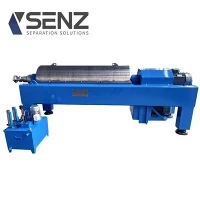

Transporting a manure decanter centrifuge is a complex process that requires careful planning and execution. As a supplier of manure decanter centrifuges, I have gained extensive experience in ensuring the safe and efficient transportation of these heavy and delicate machines. In this blog, I will share some key considerations and best practices for transporting a manure decanter centrifuge.
Pre - transport Preparation
Inspection and Maintenance
Before transportation, it is crucial to conduct a thorough inspection of the manure decanter centrifuge. Check for any loose parts, damage, or signs of wear and tear. Perform necessary maintenance tasks such as tightening bolts, lubricating moving parts, and ensuring the integrity of electrical connections. This not only helps prevent potential problems during transportation but also ensures that the centrifuge is in optimal working condition upon arrival at the destination.
Disassembly
In many cases, it may be necessary to disassemble the manure decanter centrifuge into smaller components for easier transportation. This can reduce the overall size and weight of the load, making it more manageable and less likely to be damaged. However, disassembly should be done carefully, following the manufacturer's instructions. Keep track of all the parts, label them clearly, and store them in a safe and organized manner.
Packaging
Proper packaging is essential to protect the centrifuge during transportation. Use high - quality packing materials such as foam, bubble wrap, and wooden crates. The packaging should be designed to absorb shocks and vibrations and prevent the centrifuge from shifting or colliding with other objects. For example, the rotor of the centrifuge, which is a critical and delicate component, should be wrapped in multiple layers of protective material and secured within a custom - made crate.
Choosing the Right Transportation Method
Road Transport
Road transport is a common choice for transporting manure decanter centrifuges, especially for short to medium - distance deliveries. It offers flexibility in terms of pick - up and drop - off locations. When choosing a road transport provider, ensure that they have experience in handling heavy and oversized loads. The truck should be equipped with proper suspension and securing mechanisms to prevent the centrifuge from moving during transit. Additionally, the driver should be well - trained and aware of the special requirements for transporting such equipment.
Rail Transport
For longer distances, rail transport can be a cost - effective and reliable option. Railways can handle large and heavy loads more efficiently than trucks in some cases. However, it may require additional handling at the loading and unloading points. Coordinate with the rail transport company to ensure that the centrifuge is properly loaded onto the train and that there are appropriate facilities for unloading at the destination.
Sea Transport
If the centrifuge needs to be transported overseas, sea transport is the most practical option. When shipping by sea, the centrifuge should be loaded into a shipping container. The container should be properly secured and sealed to protect the centrifuge from moisture, saltwater, and other environmental factors. It is also important to obtain the necessary shipping documents and insurance to cover any potential risks during the journey.
Securing the Load
Strapping and Bracing
Once the centrifuge is loaded onto the transport vehicle, it must be securely strapped and braced. Use high - strength straps to hold the centrifuge in place and prevent it from moving during transit. Bracing materials such as wooden blocks or metal supports can be used to provide additional stability. The strapping and bracing should be tightened to the appropriate tension to ensure that the centrifuge remains stationary.
Weight Distribution
Proper weight distribution is crucial for safe transportation. The centrifuge should be placed in a position that evenly distributes its weight across the transport vehicle. This helps prevent overloading on one side, which can lead to instability and potential accidents. If necessary, use additional ballast to balance the load.
Monitoring and Tracking
Real - time Monitoring
During transportation, it is advisable to use real - time monitoring systems to track the location, temperature, and vibration of the centrifuge. This allows you to detect any potential issues early and take appropriate action. For example, if the vibration levels exceed the normal range, it may indicate that the centrifuge is not properly secured or that there is a problem with the transport vehicle.
Communication with the Transport Provider
Maintain regular communication with the transport provider throughout the journey. Stay informed about the progress of the delivery, any delays, or unexpected situations. This helps you plan for the arrival of the centrifuge at the destination and ensures that all necessary arrangements are in place.
Unloading and Installation
Unloading
Upon arrival at the destination, the centrifuge should be unloaded carefully. Use appropriate lifting equipment such as cranes or forklifts. Follow the same safety procedures as during loading to prevent damage to the centrifuge.
Installation
After unloading, the centrifuge needs to be installed correctly. This may require the assistance of professional technicians. Ensure that the installation site is prepared in advance, with proper electrical and plumbing connections. The technicians should follow the manufacturer's installation instructions to ensure that the centrifuge operates safely and efficiently.
As a supplier of manure decanter centrifuges, we understand the importance of a smooth transportation process. Our Industrial Centrifuge Machine is designed with high - quality materials and advanced technology, and we are committed to providing comprehensive transportation solutions. Our Centrifuge Machine For Sludge Dewatering and Centrifuge Sludge Separator are also available for various applications.


If you are interested in purchasing a manure decanter centrifuge or need more information about our products and transportation services, please feel free to contact us for a detailed discussion. We look forward to working with you to meet your specific needs.
References
- "Centrifuge Technology Handbook" - A comprehensive guide on centrifuge design, operation, and maintenance.
- Industry standards and regulations related to the transportation of heavy machinery.