
How to optimize the performance of a 2 - Phase Decanter Centrifuge?
As a supplier of 2-Phase Decanter Centrifuges, I understand the critical role these machines play in various industries, from wastewater treatment to food and beverage processing. Optimizing the performance of a 2-Phase Decanter Centrifuge is not only about achieving better separation efficiency but also about reducing operational costs and extending the lifespan of the equipment. In this blog post, I will share some key strategies and best practices based on our years of experience in the field.
1. Understanding the Basics of 2-Phase Decanter Centrifuges
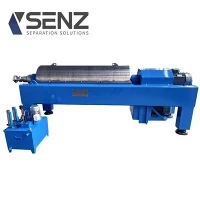
Before diving into optimization techniques, it's essential to have a solid understanding of how 2-Phase Decanter Centrifuges work. These centrifuges are designed to separate two immiscible liquids or a liquid and a solid phase by using centrifugal force. The basic components of a 2-Phase Decanter Centrifuge include a rotating bowl, a screw conveyor, and a drive system. The feed material is introduced into the rotating bowl, where the centrifugal force causes the denser phase to move towards the bowl wall, while the lighter phase remains closer to the center. The screw conveyor then transports the separated phases out of the centrifuge.
For more information on the different types of 2-Phase Decanter Centrifuges, you can visit our website and check out our Centrifugal Water Separator and Horizontal Beverage Centrifuge products.
2. Proper Feed Preparation
One of the most important factors in optimizing the performance of a 2-Phase Decanter Centrifuge is proper feed preparation. The quality and characteristics of the feed material can significantly affect the separation efficiency and the overall performance of the centrifuge. Here are some key considerations for feed preparation:
- Particle Size and Distribution: The particle size and distribution of the solid phase in the feed material can have a significant impact on the separation efficiency. Larger particles are generally easier to separate than smaller ones. If the feed material contains a wide range of particle sizes, it may be necessary to pre-screen or classify the material to remove the larger particles before feeding it into the centrifuge.
- Viscosity and Density: The viscosity and density of the feed material also play a crucial role in the separation process. Higher viscosity can make it more difficult for the phases to separate, while a large difference in density between the two phases can improve the separation efficiency. If the feed material has a high viscosity, it may be necessary to heat the material or add a diluent to reduce the viscosity.
- Chemical Conditioning: In some cases, chemical conditioning of the feed material can improve the separation efficiency. For example, adding a flocculant to the feed material can cause the solid particles to agglomerate, making them easier to separate from the liquid phase. However, it's important to use the right type and amount of chemical conditioning agents, as excessive use can lead to fouling and other operational problems.
3. Optimal Operating Parameters
Another key factor in optimizing the performance of a 2-Phase Decanter Centrifuge is setting the optimal operating parameters. The following are some of the most important operating parameters that need to be carefully adjusted:
- Speed: The rotational speed of the centrifuge bowl is one of the most critical operating parameters. Higher speeds generally result in better separation efficiency, as they generate greater centrifugal force. However, increasing the speed also increases the power consumption and the wear and tear on the equipment. Therefore, it's important to find the optimal speed that balances the separation efficiency with the operational cost and the lifespan of the equipment.
- Differential Speed: The differential speed between the screw conveyor and the centrifuge bowl is another important parameter. The differential speed determines the rate at which the separated phases are discharged from the centrifuge. A higher differential speed can increase the throughput of the centrifuge, but it may also reduce the separation efficiency. Therefore, it's important to adjust the differential speed based on the characteristics of the feed material and the desired separation efficiency.
- Feed Rate: The feed rate is the rate at which the feed material is introduced into the centrifuge. A higher feed rate can increase the throughput of the centrifuge, but it may also reduce the separation efficiency. Therefore, it's important to find the optimal feed rate that balances the throughput with the separation efficiency.
4. Regular Maintenance and Inspection
Regular maintenance and inspection are essential for ensuring the optimal performance of a 2-Phase Decanter Centrifuge. Here are some key maintenance and inspection tasks that should be performed regularly:
- Lubrication: Proper lubrication of the bearings, gears, and other moving parts is essential for reducing friction and wear. It's important to follow the manufacturer's recommendations for lubrication intervals and the type of lubricant to use.
- Belt and Chain Tension: The belts and chains that drive the centrifuge should be checked regularly for proper tension. Loose belts or chains can cause slippage, which can reduce the efficiency of the centrifuge and increase the wear and tear on the equipment.
- Seal Inspection: The seals on the centrifuge should be checked regularly for signs of wear or damage. Leaking seals can cause the loss of the separated phases and can also lead to contamination of the environment.
- Bowl and Conveyor Inspection: The centrifuge bowl and the screw conveyor should be inspected regularly for signs of wear or damage. Worn or damaged parts can affect the separation efficiency and can also lead to operational problems.
5. Monitoring and Control
Monitoring and control systems can play a crucial role in optimizing the performance of a 2-Phase Decanter Centrifuge. By continuously monitoring the operating parameters and the quality of the separated phases, it's possible to detect any problems or deviations from the optimal operating conditions and take corrective actions in a timely manner. Here are some key monitoring and control parameters that should be considered:


- Temperature and Pressure: Monitoring the temperature and pressure of the centrifuge can help detect any problems with the cooling system or the hydraulic system. Abnormal temperature or pressure readings can indicate a potential problem that needs to be addressed immediately.
- Separation Efficiency: Monitoring the quality of the separated phases can help determine the separation efficiency of the centrifuge. By analyzing the composition and the properties of the separated phases, it's possible to adjust the operating parameters to improve the separation efficiency.
- Power Consumption: Monitoring the power consumption of the centrifuge can help identify any inefficiencies in the operation of the equipment. By reducing the power consumption, it's possible to lower the operational cost and improve the overall energy efficiency of the process.
In conclusion, optimizing the performance of a 2-Phase Decanter Centrifuge requires a combination of proper feed preparation, optimal operating parameters, regular maintenance and inspection, and effective monitoring and control. By following these strategies and best practices, you can achieve better separation efficiency, reduce operational costs, and extend the lifespan of your centrifuge.
If you are interested in learning more about our Decanter Centrifuge products or have any questions about optimizing the performance of your centrifuge, please feel free to contact us for a consultation and potential procurement discussion.
References
- Smith, J. (2018). Centrifugal Separation Technology. Elsevier.
- Jones, A. (2019). Handbook of Industrial Centrifugation. Springer.
- Brown, R. (2020). Optimization of Decanter Centrifuge Performance in Wastewater Treatment. Journal of Environmental Engineering.