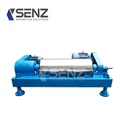

Transporting a complete set of equipment is a complex and crucial task that requires careful planning, expertise, and attention to detail. As a supplier of complete sets of equipment, I understand the challenges and responsibilities involved in ensuring that the equipment reaches its destination safely and in optimal condition. In this blog post, I will share some insights and best practices on how to transport a complete set of equipment effectively.


Pre - transport Planning
Equipment Assessment
Before any transportation takes place, a thorough assessment of the complete set of equipment is essential. This includes understanding the dimensions, weight, fragility, and any special handling requirements of each piece of equipment. For example, if the set includes a Centrifuge Feed Pump, it may have delicate components that need extra protection during transit. Make a detailed inventory of all the equipment, noting down any unique features or potential vulnerabilities.
Route Planning
Selecting the right route is a critical part of the planning process. Consider factors such as road conditions, traffic patterns, and any potential obstacles along the way. If the equipment is large or heavy, you may need to choose routes with wider roads and bridges that can support the weight. Additionally, check for any local regulations or permits required for transporting oversized or heavy loads. This can save you from costly delays and fines during the transportation process.
Packaging and Crating
Proper packaging and crating are vital to protect the equipment during transit. Use high - quality materials that can withstand the rigors of transportation. For fragile items, add cushioning materials such as foam, bubble wrap, or packing peanuts. Crates should be sturdy and well - constructed, with secure fastenings. Label each crate clearly with the contents, handling instructions, and any orientation requirements. For instance, if the Sludge Dewatering Equipment needs to be kept upright, make sure this is clearly indicated on the crate.
Choosing the Right Transportation Method
Road Transport
Road transport is a common choice for transporting complete sets of equipment, especially for shorter distances. It offers flexibility in terms of pick - up and delivery locations. Trucks can be customized to accommodate different sizes and weights of equipment. However, it is important to choose a reliable trucking company with experience in transporting industrial equipment. Ensure that the trucks are equipped with proper securing mechanisms to prevent the equipment from shifting during transit.
Rail Transport
For longer distances, rail transport can be a cost - effective and efficient option. Railroads have the capacity to carry large and heavy loads. The stability of rail cars can also reduce the risk of damage to the equipment. However, rail transport may require additional handling at transfer points, so it is important to coordinate closely with the rail carrier and ensure that proper loading and unloading procedures are followed.
Sea Transport
If the equipment needs to be transported overseas, sea transport is the most practical option. Shipping containers are available in various sizes and can be used to transport the complete set of equipment. When choosing a shipping line, consider factors such as transit time, reliability, and the availability of container space. It is also important to ensure that the containers are properly sealed and secured to prevent water damage and theft during the voyage.
Loading and Unloading
Professional Handling
Loading and unloading the equipment should be carried out by trained professionals. They should have the necessary skills and equipment to handle the heavy and sometimes delicate items safely. Use appropriate lifting equipment such as cranes, forklifts, or pallet jacks. Make sure that the equipment is loaded in a way that distributes the weight evenly and prevents any damage.
Inspection
Before loading the equipment onto the transport vehicle or container, conduct a final inspection. Check for any signs of damage or loose parts. Once the equipment is unloaded at the destination, perform another inspection to ensure that it has arrived in the same condition as when it was loaded. If any damage is found, document it immediately and notify the relevant parties.
Tracking and Monitoring
Real - time Tracking
Use tracking systems to monitor the progress of the equipment during transportation. This can provide you with real - time information about the location of the equipment and its estimated time of arrival. Many transportation companies offer tracking services, which can be accessed through online portals or mobile applications.
Environmental Monitoring
In some cases, it may be necessary to monitor the environmental conditions during transportation. For example, if the equipment is sensitive to temperature or humidity, use sensors to track these parameters. This can help you take corrective action if the conditions deviate from the acceptable range.
Insurance
Adequate Coverage
Obtain comprehensive insurance coverage for the equipment during transportation. This can protect you from financial losses in case of damage, theft, or other unforeseen events. Work with an insurance provider who has experience in insuring industrial equipment. Make sure that the policy covers all aspects of the transportation process, from loading to unloading.
Post - transport Follow - up
Installation and Commissioning
Once the equipment has arrived at the destination, provide support for its installation and commissioning. This may involve sending technicians to the site to ensure that the equipment is installed correctly and functioning properly. This can help build a good relationship with the customer and ensure their satisfaction with the purchase.
Customer Feedback
Seek feedback from the customer after the equipment has been installed and commissioned. This can help you identify any areas for improvement in your transportation and service processes. Use the feedback to make necessary adjustments and enhance the overall customer experience.
Conclusion
Transporting a complete set of equipment is a multi - step process that requires careful planning, attention to detail, and the right expertise. By following the best practices outlined in this blog post, you can ensure that the equipment is transported safely and efficiently. As a supplier of complete sets of equipment, I am committed to providing high - quality products and reliable transportation services. If you are interested in purchasing a complete set of equipment or have any questions about transportation, please feel free to contact us for further discussion and negotiation.
References
- "Transportation Logistics: Principles, Practices, and Trends" by John J. Coyle, Edward J. Bardi, and C. John Langley Jr.
- "Industrial Equipment Handling and Transportation Guidelines" by the International Association of Equipment Manufacturers.