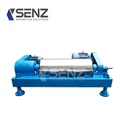

As a provider of sludge dewatering equipment, I understand the critical role that the lubrication system plays in the efficient and reliable operation of such machinery. Sludge dewatering equipment, including centrifuges, belt presses, and screw presses, often operates under harsh conditions, with high loads, high speeds, and exposure to abrasive and corrosive substances. Therefore, the lubrication system must meet specific requirements to ensure optimal performance and longevity of the equipment.
Lubrication Requirements for Sludge Dewatering Equipment
1. Viscosity
Viscosity is one of the most important properties of a lubricant. It determines the lubricant's ability to form a protective film between moving parts and to resist being squeezed out under load. In sludge dewatering equipment, the lubricant viscosity must be carefully selected based on the operating conditions, such as temperature, speed, and load.
For example, in high - speed centrifuges, a lubricant with lower viscosity may be required to reduce frictional losses and heat generation. On the other hand, in equipment operating under high loads or at low speeds, a higher - viscosity lubricant is needed to maintain an adequate lubricating film. The lubricant viscosity should also be stable over a wide range of temperatures to ensure consistent performance in different operating environments.
2. Wear Resistance
Sludge dewatering equipment often encounters abrasive particles from the sludge, such as sand and gravel. These particles can cause significant wear on the moving parts, including bearings, gears, and shafts. Therefore, the lubricant must have excellent wear - resistant properties to protect the components from premature wear.

Lubricants with anti - wear additives, such as zinc dialkyldithiophosphate (ZDDP), are commonly used in sludge dewatering equipment. These additives form a protective layer on the metal surfaces, reducing friction and wear. Additionally, the lubricant should be able to suspend and carry away the abrasive particles to prevent them from causing further damage.
3. Corrosion Protection
The sludge being processed in dewatering equipment may contain corrosive substances, such as acids, alkalis, and salts. These substances can corrode the metal components of the equipment, leading to reduced performance and shorter service life. The lubricant must provide effective corrosion protection to prevent the metal surfaces from being attacked.
Corrosion inhibitors are added to the lubricant to form a protective film on the metal surfaces, preventing the corrosive agents from coming into contact with the metal. The lubricant should also have good water - separation properties to prevent water from mixing with the lubricant and causing corrosion. Water can also dilute the lubricant and reduce its effectiveness, so it is important to keep the lubricant dry.
4. Oxidation Stability
The lubricant in sludge dewatering equipment is exposed to high temperatures and oxygen during operation. Oxidation can cause the lubricant to break down, forming sludge, varnish, and acids. These oxidation products can clog the lubrication system, reduce the lubricant's performance, and damage the equipment components.
Therefore, the lubricant must have high oxidation stability to resist oxidation and maintain its properties over a long period. Antioxidants are added to the lubricant to slow down the oxidation process. Synthetic lubricants generally have better oxidation stability than mineral - based lubricants, making them a preferred choice for high - performance sludge dewatering equipment.
5. Compatibility
The lubricant must be compatible with the materials used in the equipment, including seals, gaskets, and paints. Incompatible lubricants can cause swelling, shrinking, or hardening of the seals and gaskets, leading to leaks and reduced equipment reliability.
Before selecting a lubricant, it is important to check its compatibility with the equipment materials. The equipment manufacturer's recommendations should be followed to ensure that the lubricant used is suitable for the specific application.
Lubrication System Design and Maintenance
1. Proper Lubricant Selection
Selecting the right lubricant is crucial for the proper operation of sludge dewatering equipment. The lubricant should be chosen based on the equipment manufacturer's specifications, the operating conditions, and the type of sludge being processed. As a sludge dewatering equipment supplier, we can provide our customers with detailed information on lubricant selection to ensure that they use the most suitable lubricant for their equipment.
2. Adequate Lubrication Delivery
The lubrication system must be designed to deliver the lubricant to all the critical components in the equipment. This may involve the use of pumps, filters, and pipes to ensure a continuous and uniform supply of lubricant. The lubrication points should be easily accessible for maintenance and inspection.
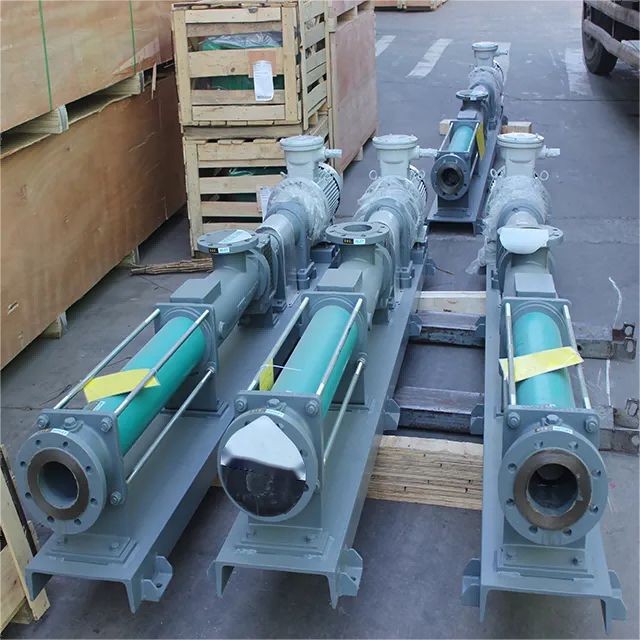
In some sludge dewatering equipment, such as centrifuges, a forced - lubrication system may be required to ensure that the lubricant reaches the high - speed and high - load components. The Centrifuge Feed Pump plays a vital role in delivering the lubricant to the centrifuge components, ensuring proper lubrication and cooling.
3. Regular Maintenance
Regular maintenance of the lubrication system is essential to ensure its proper operation. This includes checking the lubricant level, quality, and temperature regularly. The lubricant should be changed at the recommended intervals to prevent the build - up of contaminants and oxidation products.
Filter elements should be replaced regularly to remove the abrasive particles and other contaminants from the lubricant. The lubrication system should also be inspected for leaks, blockages, and other potential problems. Centrifuge Maintenance services can help ensure that the centrifuge lubrication system is in good working condition.
4. Monitoring and Control
Monitoring the lubrication system parameters, such as pressure, temperature, and flow rate, can help detect potential problems early. Automated monitoring systems can be installed to continuously monitor these parameters and provide alerts when they deviate from the normal range.
Controlling the lubricant temperature is also important, as excessive heat can accelerate the oxidation process and reduce the lubricant's performance. Cooling systems may be used to maintain the lubricant temperature within the recommended range.
The Role of Flocculant in Lubrication and Dewatering
In sludge dewatering processes, Flocculant Auto Dosing System is often used to improve the dewatering efficiency. Flocculants help to agglomerate the fine particles in the sludge, making them easier to separate from the water.
Although the flocculant is mainly used for the dewatering process, it can also have an impact on the lubrication system. If the flocculant is not properly dosed or if it is incompatible with the lubricant, it may cause problems such as clogging of the lubrication system or degradation of the lubricant properties. Therefore, it is important to ensure that the flocculant dosing system is well - calibrated and that the flocculant is compatible with the lubricant used in the equipment.
Conclusion
The lubrication system in sludge dewatering equipment is a critical component that requires careful consideration and maintenance. By meeting the requirements of viscosity, wear resistance, corrosion protection, oxidation stability, and compatibility, and by implementing proper lubrication system design and maintenance practices, we can ensure the efficient and reliable operation of the equipment.
As a sludge dewatering equipment supplier, we are committed to providing our customers with high - quality equipment and comprehensive technical support. If you are in need of sludge dewatering equipment or have any questions about lubrication systems, please feel free to contact us for further discussion and procurement negotiation. We look forward to working with you to meet your sludge dewatering needs.
References
- Machinery's Handbook, Industrial Press Inc.
- Lubrication Engineering Handbook, McGraw - Hill Education.
- Sludge Dewatering Technology and Applications, CRC Press.