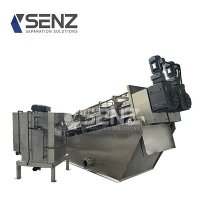

Hey there! As a supplier of dewatering press machines, I know how crucial it is to maintain the hydraulic system of these machines. A well-maintained hydraulic system can significantly improve the efficiency and lifespan of your dewatering press machine. So, let's dive into the details on how to keep that hydraulic system in top-notch condition.
First off, let's talk about the importance of clean hydraulic fluid. The hydraulic fluid is like the lifeblood of the system. It transfers power, lubricates moving parts, and helps to keep the temperature in check. If the fluid gets dirty, it can cause all sorts of problems. Particles in the fluid can wear down the pumps, valves, and cylinders, leading to leaks and reduced performance. That's why it's essential to regularly check the fluid level and its condition.
To check the fluid level, most dewatering press machines have a sight glass or a dipstick. You should check the level when the machine is cold and make sure it's within the recommended range. If the level is low, you need to add the right type of hydraulic fluid. And remember, never mix different types of fluids, as they may not be compatible and can cause chemical reactions that harm the system.
Checking the condition of the fluid is equally important. Over time, the fluid can break down due to heat, oxidation, and contamination. You can tell if the fluid is in bad shape if it looks cloudy, has a strange odor, or contains visible particles. If you notice any of these signs, it's time to replace the fluid. A good rule of thumb is to change the hydraulic fluid every 1000 - 2000 operating hours, depending on the manufacturer's recommendations.


Next up is the hydraulic filter. The filter is designed to remove contaminants from the fluid. It's usually located in the return line or the suction line of the hydraulic system. Just like the fluid, the filter can get clogged over time. A clogged filter restricts the flow of the fluid, which can lead to increased pressure in the system and damage to the components.
You should check the filter regularly and replace it when it reaches the recommended service life. Some filters have a pressure indicator that tells you when it's time to change them. If your filter doesn't have one, you can follow the maintenance schedule provided by the manufacturer. A clean filter ensures that the hydraulic fluid remains free of debris and helps to prevent premature wear and tear of the system.
Another important aspect of maintaining the hydraulic system is to keep an eye on the temperature. Hydraulic systems generate heat during operation, and if the temperature gets too high, it can cause the fluid to break down more quickly. High temperatures can also damage the seals and other rubber components in the system.
Most dewatering press machines have a temperature gauge that allows you to monitor the fluid temperature. If the temperature exceeds the recommended range, you need to take action. This could involve checking the cooler to make sure it's working properly, cleaning the radiator fins, or adjusting the flow rate of the coolant. You may also want to reduce the workload on the machine temporarily to allow the system to cool down.
The hydraulic hoses and fittings are also critical parts of the system. Over time, these hoses can wear out due to vibration, flexing, and exposure to heat and chemicals. A damaged hose can leak fluid, which not only creates a mess but can also lead to a loss of pressure in the system.
Inspect the hoses regularly for signs of wear, such as cracks, bulges, or leaks. If you notice any damage, replace the hose immediately. When replacing the hoses, make sure to use the right type and size of hose for your machine. Also, check the fittings to ensure they are tight and secure. Loose fittings can cause leaks and reduce the efficiency of the system.
Now, let's talk about the hydraulic pumps and motors. These are the powerhouses of the hydraulic system, and they need to be properly maintained. The pumps are responsible for generating the pressure in the system, while the motors convert the fluid pressure into mechanical power.
Listen to the pumps and motors during operation. Any unusual noises, such as grinding or squealing, could indicate a problem. If you hear any strange sounds, stop the machine immediately and have it checked by a qualified technician. Regularly check the alignment of the motors and pumps. Misalignment can cause excessive wear and tear on the shafts and bearings.
In addition to the internal components, the external environment can also affect the performance of the hydraulic system. Make sure the machine is located in a clean and well-ventilated area. Dust, dirt, and moisture can get into the system and cause damage. If the machine is used in a harsh environment, you may want to consider using additional protective covers or enclosures.
Now, I'd like to mention some of our related products that you might be interested in. We offer a range of Manure Decanter, Oil Sludge Decanter Centrifuge, and Soymilk Decanter Centrifuge. These products are designed to work seamlessly with our dewatering press machines and can help you achieve better results in your dewatering processes.
Maintaining the hydraulic system of your dewatering press machine is not as complicated as it may seem. By following these simple steps, you can ensure that your machine operates efficiently and reliably for years to come. If you have any questions about maintaining your hydraulic system or are interested in purchasing a dewatering press machine, feel free to reach out. We're here to help you make the most of your investment.
Remember, a well-maintained hydraulic system means less downtime, lower repair costs, and better performance. So, take the time to care for your machine, and it will serve you well. Looking forward to hearing from you and discussing how we can meet your dewatering needs.
References
- Manufacturer's manuals for dewatering press machines
- Industry best practices for hydraulic system maintenance
- Technical resources on hydraulic system components and their care