
As a supplier of 2 - Phase Decanter Centrifuges, I've seen firsthand how crucial reliability is in industrial applications. A reliable 2 - Phase Decanter Centrifuge can save time, reduce costs, and improve overall production efficiency. In this blog post, I'll share some tips on how to improve the reliability of a 2 - Phase Decanter Centrifuge based on my experience in the industry.
Regular Maintenance and Inspection
One of the most important aspects of ensuring the reliability of a 2 - Phase Decanter Centrifuge is regular maintenance and inspection. Just like a car, a centrifuge needs proper care to run smoothly. This includes checking the mechanical components, such as the bearings, belts, and couplings, for wear and tear. Lubrication is also key; make sure to follow the manufacturer's recommendations on the type and frequency of lubrication.
In addition to mechanical checks, it's essential to inspect the centrifuge's electrical system. Faulty wiring or electrical components can lead to unexpected breakdowns. Look for any signs of overheating, loose connections, or damaged insulation. Regularly cleaning the electrical panels can also prevent dust and debris from causing problems.
Another area to focus on is the centrifuge's bowl and scroll. These parts are responsible for separating the two phases, so it's important to keep them in good condition. Check for any signs of corrosion, abrasion, or clogging. If there are any blockages, clean them out immediately to prevent uneven wear and potential damage to the centrifuge.
Operator Training
Even the most reliable 2 - Phase Decanter Centrifuge can fail if it's not operated correctly. That's why operator training is so important. Make sure your operators are well - educated on the centrifuge's operation, safety procedures, and troubleshooting techniques.
Provide comprehensive training programs that cover everything from basic startup and shutdown procedures to more advanced maintenance tasks. Encourage operators to ask questions and provide feedback. This will help them feel more confident in their abilities and reduce the risk of human error.
In addition to initial training, offer ongoing refresher courses. Technology and best practices are constantly evolving, so it's important to keep your operators up - to - date. You can also provide training on new features or upgrades to your centrifuge models.
Quality Components
Using high - quality components is another way to improve the reliability of a 2 - Phase Decanter Centrifuge. When it comes to parts like bearings, seals, and motors, it's worth investing in the best. Cheaper components may save you money upfront, but they're more likely to fail prematurely, leading to costly downtime and repairs.
As a supplier, we always recommend using original equipment manufacturer (OEM) parts whenever possible. These parts are designed specifically for your centrifuge model and are made to the highest quality standards. They also come with a warranty, giving you peace of mind.
In addition to OEM parts, consider using advanced materials in your centrifuge. For example, some modern centrifuges use corrosion - resistant alloys for the bowl and scroll, which can significantly extend the lifespan of these critical components.
Process Optimization
Optimizing the process in which the 2 - Phase Decanter Centrifuge is used can also improve its reliability. This includes adjusting the feed rate, temperature, and pH of the input material. By fine - tuning these parameters, you can ensure that the centrifuge is operating at its optimal efficiency.
For example, if the feed rate is too high, the centrifuge may not be able to separate the two phases effectively, leading to poor performance and potential damage. On the other hand, if the feed rate is too low, the centrifuge may not be operating at its full capacity, which can be inefficient.
Monitoring the temperature and pH of the input material is also important. Extreme temperatures or pH levels can cause corrosion or damage to the centrifuge components. By keeping these parameters within the recommended range, you can extend the lifespan of the centrifuge.
Monitoring and Data Analysis
Implementing a monitoring system for your 2 - Phase Decanter Centrifuge can provide valuable insights into its performance. By collecting data on factors like vibration, temperature, and power consumption, you can detect potential problems before they become major issues.
For example, an increase in vibration levels may indicate a problem with the bearings or an imbalance in the centrifuge. By monitoring these levels, you can schedule maintenance before the problem causes a breakdown.
Data analysis can also help you identify trends and patterns in the centrifuge's performance. This can help you optimize the process and make more informed decisions about maintenance and upgrades.
Our Product Range
We offer a variety of 2 - Phase Decanter Centrifuges to meet different industrial needs. For example, our Soy Protein Decanter Centrifuge is specifically designed for the soy protein industry. It's highly efficient and reliable, ensuring a high - quality separation process.
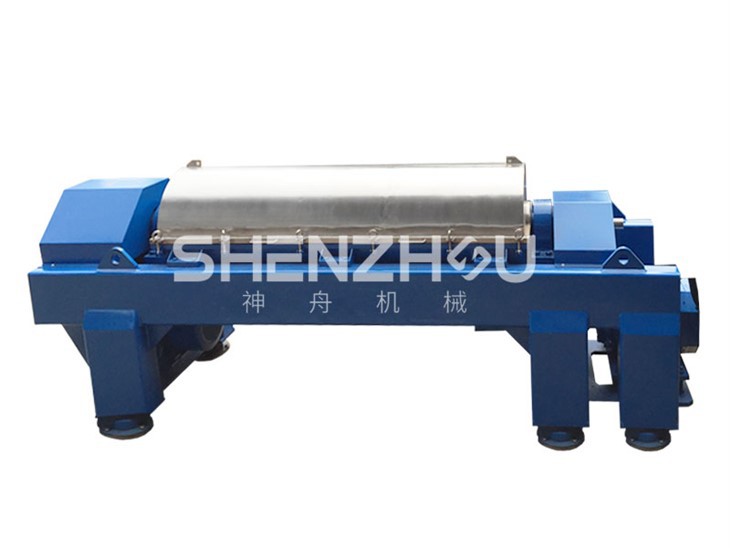

Our Industrial Large Capacity Centrifuge is ideal for large - scale industrial applications. It can handle large volumes of material, making it a cost - effective solution for many industries.
If you're in the wastewater treatment or sludge management industry, our Sludge Dewatering Decanter Centrifuge is a great option. It's designed to effectively separate the solid and liquid phases in sludge, reducing the volume of waste and making it easier to handle.
Contact Us for Purchase and Negotiation
Improving the reliability of a 2 - Phase Decanter Centrifuge is essential for any industrial operation. By following these tips and using high - quality products, you can ensure that your centrifuge runs smoothly and efficiently.
If you're interested in purchasing a 2 - Phase Decanter Centrifuge or have any questions about improving its reliability, don't hesitate to contact us. We're here to help you find the best solution for your needs.
References
- "Centrifuge Technology and Applications" - A comprehensive guide on centrifuge operation and maintenance.
- "Industrial Process Optimization" - A resource on optimizing industrial processes for maximum efficiency and reliability.