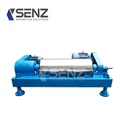

Maintaining a centrifuge's temperature control system is crucial for ensuring its optimal performance and longevity. As a reputable Centrifuge Maintenance supplier, we understand the intricacies involved in keeping these systems in top - notch condition. In this blog, we'll delve into the key aspects of centrifuge temperature control system maintenance.
Understanding the Importance of Temperature Control in Centrifuges
Centrifuges are used in a wide range of industries, from pharmaceuticals to food processing. In many applications, the samples being centrifuged are sensitive to temperature changes. For instance, in biological research, enzymes and proteins can denature if the temperature is not properly regulated. In the chemical industry, reactions can be affected by temperature variations, leading to inconsistent results.
The temperature control system in a centrifuge helps maintain a stable environment for the samples. It prevents overheating, which can damage the centrifuge components and the samples themselves. Additionally, it ensures that the centrifuge operates within its specified temperature range, which is essential for accurate and reproducible results.
Components of a Centrifuge Temperature Control System
Before we discuss maintenance, it's important to understand the main components of a centrifuge temperature control system.
Cooling System
The cooling system is responsible for removing heat generated during the centrifuge's operation. It typically consists of a refrigeration unit, a compressor, condensers, and evaporators. The refrigeration unit circulates a refrigerant through the system, absorbing heat from the centrifuge chamber and releasing it outside.
Temperature Sensors
Temperature sensors are used to monitor the temperature inside the centrifuge chamber. These sensors provide feedback to the control unit, which then adjusts the cooling or heating as needed to maintain the desired temperature.
Control Unit
The control unit is the brain of the temperature control system. It receives input from the temperature sensors and sends signals to the cooling or heating elements to regulate the temperature. It also allows the user to set the desired temperature and monitor the system's performance.
Maintenance Procedures for the Temperature Control System
Regular Inspections
Regular inspections are the first line of defense in maintaining the temperature control system. Inspect the cooling system for any signs of leaks, such as refrigerant stains or puddles. Check the condenser and evaporator coils for dirt and debris, as these can reduce the system's efficiency.
Inspect the temperature sensors for proper installation and functionality. Make sure they are clean and free from damage. A faulty temperature sensor can lead to inaccurate temperature readings and improper temperature control.
The control unit should also be inspected regularly. Check for any error messages on the display and ensure that all the buttons and controls are working properly.
Cleaning
Cleaning is an essential part of maintenance. The condenser and evaporator coils should be cleaned at least once a year, or more frequently if the centrifuge is used in a dirty or dusty environment. Use a soft brush or a vacuum cleaner to remove dirt and debris from the coils.
The centrifuge chamber should also be cleaned regularly. Remove any spills or residues that could affect the temperature control. Use a mild detergent and a soft cloth to clean the chamber, and make sure it is completely dry before using the centrifuge again.
Calibration
Calibration of the temperature sensors and the control unit is crucial for accurate temperature control. Over time, the sensors can drift, leading to inaccurate temperature readings. Calibrate the temperature sensors at least once a year using a calibrated reference thermometer.
The control unit should also be calibrated to ensure that it is sending the correct signals to the cooling and heating elements. This may require the use of specialized calibration equipment and should be performed by a trained technician.
Lubrication
Some components of the cooling system, such as the compressor, may require lubrication. Check the manufacturer's recommendations for the type and frequency of lubrication. Using the wrong type of lubricant or over - lubricating can cause damage to the components.


Troubleshooting Common Temperature Control System Problems
Overheating
If the centrifuge is overheating, the first step is to check the cooling system. Make sure the condenser and evaporator coils are clean and that the refrigerant levels are correct. A blocked or dirty coil can prevent the system from dissipating heat effectively, leading to overheating.
Check the temperature sensors to ensure they are working properly. A faulty sensor may not detect the rising temperature, causing the control unit to fail to activate the cooling system.
Inaccurate Temperature Readings
Inaccurate temperature readings can be caused by a faulty temperature sensor or a problem with the control unit. Check the sensor for damage or dirt, and clean or replace it if necessary. If the problem persists, the control unit may need to be recalibrated or repaired.
Refrigerant Leaks
Refrigerant leaks can reduce the efficiency of the cooling system and may also be harmful to the environment. If you suspect a refrigerant leak, look for signs such as refrigerant stains or a decrease in cooling performance. A refrigerant leak should be repaired by a trained technician, as handling refrigerants requires specialized equipment and knowledge.
The Role of Other Equipment in Centrifuge Operation
In addition to maintaining the centrifuge's temperature control system, it's important to consider the role of other equipment in the overall operation. For example, a Flocculant Auto Dosing System can be used in conjunction with a centrifuge to improve the separation process. A well - maintained dosing system ensures that the correct amount of flocculant is added to the sample, which can enhance the efficiency of the centrifuge.
A Screw Conveyor can be used to transport the separated materials out of the centrifuge. Proper maintenance of the screw conveyor is essential for smooth operation and to prevent blockages that could affect the centrifuge's performance.
Conclusion
Maintaining a centrifuge's temperature control system is a complex but essential task. By following the maintenance procedures outlined in this blog, you can ensure that your centrifuge operates at its best, providing accurate and consistent results. Regular inspections, cleaning, calibration, and lubrication are key to keeping the temperature control system in good working condition.
If you're facing any challenges with your centrifuge's temperature control system or need professional maintenance services, don't hesitate to reach out to us. We are here to help you optimize the performance of your centrifuge and extend its lifespan. Contact us to discuss your specific needs and explore how we can assist you in your procurement process.
References
- "Centrifuge Operation and Maintenance Manual" - Various manufacturers
- "Handbook of Temperature Control Systems" - Industry - specific publications
- "Refrigeration and Air Conditioning Technology" - Technical textbooks