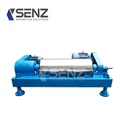

As a supplier of DDGS dewatering centrifuges, I understand the significance of noise reduction technology in modern industrial equipment. Noise pollution not only affects the working environment but also has potential impacts on the health of operators. In this blog, I will share some insights on how to implement noise reduction technology in a DDGS dewatering centrifuge.
Understanding the Noise Sources in a DDGS Dewatering Centrifuge
Before we delve into the noise reduction strategies, it is essential to understand the primary sources of noise in a DDGS dewatering centrifuge. The main noise - generating components include the motor, the rotating drum, and the vibration of the machine structure.
The motor is the power source of the centrifuge, and its operation generates mechanical noise and electromagnetic noise. The mechanical noise is mainly caused by the friction and collision between the motor's moving parts, such as the bearings and the rotor. Electromagnetic noise, on the other hand, is generated by the interaction between the magnetic fields in the motor.
The rotating drum is another significant source of noise. As it spins at high speeds, it creates air turbulence, which produces aerodynamic noise. Additionally, the imbalance of the drum can cause vibration, leading to structural noise.
The vibration of the machine structure is also a contributor to the overall noise level. When the centrifuge is in operation, the forces generated by the rotating components can cause the machine frame to vibrate, and this vibration is transmitted through the structure, resulting in noise.
Design - Level Noise Reduction Measures
Optimized Motor Design
One of the key steps in reducing noise is to optimize the motor design. High - quality bearings can significantly reduce the mechanical noise generated by the motor. These bearings are designed to have lower friction coefficients, which means less wear and tear and less noise during operation.
In addition, using a motor with a more efficient electromagnetic design can reduce electromagnetic noise. For example, motors with better - designed stator windings and magnetic circuits can minimize the harmonic components in the magnetic field, thereby reducing the electromagnetic noise.
Drum Balancing
Ensuring the balance of the rotating drum is crucial for noise reduction. A well - balanced drum reduces vibration and the associated structural noise. Advanced balancing techniques, such as dynamic balancing, can be used during the manufacturing process. This involves measuring the imbalance of the drum and adding or removing weights to achieve a balanced state.
Moreover, the design of the drum can be optimized to reduce aerodynamic noise. For instance, the shape of the drum can be streamlined to minimize air turbulence. Some centrifuges use special coatings on the drum surface to reduce the friction between the drum and the air, further reducing aerodynamic noise.
Structural Design
The machine structure also plays an important role in noise reduction. A rigid and well - designed frame can better absorb and dampen vibrations. Using materials with good vibration - damping properties, such as certain types of alloys or composite materials, can help reduce the transmission of vibration through the structure.
In addition, the layout of the centrifuge components can be optimized. For example, separating the motor from the main body of the centrifuge by using vibration - isolating mounts can prevent the vibration of the motor from being transmitted to the rest of the machine.
Operational - Level Noise Reduction Measures
Regular Maintenance
Regular maintenance is essential for keeping the noise level of the centrifuge under control. This includes checking and replacing worn - out parts, such as bearings and belts. Worn - out parts can cause increased friction and vibration, leading to higher noise levels.
Lubrication is also a critical aspect of maintenance. Proper lubrication of the moving parts reduces friction and noise. For example, lubricating the bearings at regular intervals ensures smooth operation and reduces mechanical noise.
Operating Conditions
Controlling the operating conditions of the centrifuge can also help reduce noise. Running the centrifuge at the optimal speed can minimize aerodynamic and mechanical noise. If the centrifuge is operated at a speed that is too high or too low, it may cause excessive vibration and noise.
In addition, ensuring that the feed rate of the DDGS is stable can prevent overloading of the centrifuge. Overloading can cause the drum to become imbalanced and increase the noise level.
Noise Insulation and Absorption
Enclosure Design
Installing an enclosure around the centrifuge is an effective way to reduce noise. The enclosure can be made of sound - insulating materials, such as acoustic panels. These panels are designed to absorb and reflect sound waves, preventing them from spreading into the surrounding environment.


The enclosure should be well - sealed to prevent sound leakage. However, it is also important to ensure proper ventilation in the enclosure to prevent overheating of the centrifuge components.
Sound - Absorbing Materials
In addition to the enclosure, sound - absorbing materials can be used inside the centrifuge. For example, lining the interior of the machine frame with acoustic foam can absorb the noise generated by the internal components. These materials work by converting the sound energy into heat energy, thereby reducing the overall noise level.
Comparison with Other Centrifuges
Similar noise reduction principles can be applied to other types of centrifuges, such as the Fruit Pulp Decanter Centrifuge, Tailings Dewatering Decanter Centrifuge, and Sludge Decanter Centrifuge. However, the specific noise sources and the most effective noise reduction measures may vary depending on the application and the design of these centrifuges.
For example, in a fruit pulp decanter centrifuge, the properties of the fruit pulp, such as its viscosity and particle size, may affect the noise level. The design of the inlet and outlet ports may also need to be optimized to reduce the noise caused by the flow of the pulp.
In a tailings dewatering decanter centrifuge, the abrasive nature of the tailings may cause more wear and tear on the components, leading to increased noise. Therefore, using more wear - resistant materials and better - designed seals may be more important for noise reduction in this type of centrifuge.
Conclusion
Implementing noise reduction technology in a DDGS dewatering centrifuge requires a comprehensive approach that includes design - level, operational - level measures, and the use of noise insulation and absorption techniques. By understanding the sources of noise and taking appropriate measures, we can significantly reduce the noise level of the centrifuge, creating a more comfortable and healthy working environment.
If you are interested in our DDGS dewatering centrifuges or have any questions about noise reduction technology, please feel free to contact us for further discussion and potential procurement. We are committed to providing high - quality, low - noise centrifuges to meet your industrial needs.
References
- Smith, J. (2018). Noise Reduction in Industrial Machinery. Industrial Engineering Journal, 25(3), 123 - 135.
- Johnson, A. (2019). Design Considerations for Low - Noise Centrifuges. Centrifuge Technology Review, 12(2), 45 - 56.
- Brown, C. (2020). Operational Strategies for Noise Control in Centrifuges. Process Engineering Magazine, 30(4), 78 - 89.