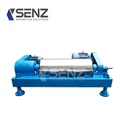

As a provider of DDGS dewatering centrifuges, I understand the significance of maximizing the lifespan of these essential machines. A well - maintained centrifuge not only reduces operational costs but also ensures consistent and high - quality performance. In this blog, I'll share some key strategies on how to extend the lifespan of a DDGS dewatering centrifuge.
1. Regular Inspection and Maintenance
Regular inspection is the cornerstone of extending the lifespan of a DDGS dewatering centrifuge. This involves a comprehensive check of all components, including the rotor, bearings, belts, and electrical systems.
- Visual Inspection: Conduct a visual inspection of the centrifuge before and after each use. Look for signs of wear and tear, such as cracks, corrosion, or loose parts. For example, check the rotor for any signs of imbalance or damage, as an imbalanced rotor can cause excessive vibration and premature wear on the bearings.
- Lubrication: Proper lubrication is crucial for the smooth operation of the centrifuge. Follow the manufacturer's guidelines for lubricating the bearings and other moving parts. Use high - quality lubricants that are specifically designed for centrifuge applications. Over - lubrication or using the wrong type of lubricant can lead to problems such as increased friction and heat generation.
- Belt Tension: Check the tension of the belts regularly. Loose belts can slip, reducing the efficiency of the centrifuge, while overly tight belts can cause excessive stress on the motor and other components. Adjust the belt tension as needed to ensure optimal performance.
2. Proper Installation and Alignment
The way a DDGS dewatering centrifuge is installed and aligned can have a significant impact on its lifespan.
- Level Installation: Ensure that the centrifuge is installed on a level surface. An uneven installation can cause the centrifuge to vibrate excessively, leading to premature wear on the components. Use a spirit level to check the levelness of the centrifuge during installation.
- Correct Alignment: Proper alignment of the motor, rotor, and other components is essential. Misalignment can cause increased stress on the bearings and shafts, leading to premature failure. Follow the manufacturer's instructions for aligning the centrifuge components during installation and periodically check the alignment during operation.
3. Operator Training
Well - trained operators are key to the long - term success of a DDGS dewatering centrifuge.
- Operating Procedures: Provide comprehensive training to operators on the proper operating procedures of the centrifuge. This includes starting and stopping the centrifuge, loading and unloading samples, and monitoring the operating parameters. Operators should be aware of the maximum speed, temperature, and other limits of the centrifuge and should never exceed these limits.
- Emergency Procedures: Train operators on emergency procedures in case of a malfunction or other unexpected event. This includes knowing how to safely shut down the centrifuge and how to respond to issues such as overheating or excessive vibration.
4. Control of Operating Conditions
Controlling the operating conditions of the DDGS dewatering centrifuge can help to extend its lifespan.
- Temperature and Humidity: Keep the centrifuge in an environment with stable temperature and humidity levels. High temperatures can cause the lubricants to break down and the components to expand, while high humidity can lead to corrosion. Use air - conditioning or dehumidifiers to maintain the optimal environmental conditions for the centrifuge.
- Feed Quality: Ensure that the feed material to the centrifuge is of the appropriate quality. Contaminants in the feed can cause abrasion and damage to the centrifuge components. Use appropriate pre - treatment methods, such as filtration or screening, to remove any large particles or contaminants from the feed.
5. Use of High - Quality Parts
Using high - quality replacement parts is essential for the long - term performance of a DDGS dewatering centrifuge.
- Original Manufacturer Parts: Whenever possible, use original manufacturer parts for replacement. These parts are designed to fit the centrifuge perfectly and are made to the same high - quality standards as the original components. Using non - original parts may void the warranty and can lead to compatibility issues and premature failure.
- Quality Assurance: When purchasing replacement parts, ensure that they are from a reputable supplier. Look for parts that have been tested and certified to meet the relevant industry standards.
6. Regular Monitoring and Data Analysis
Regular monitoring of the centrifuge's performance and data analysis can help to detect potential problems early and take preventive measures.
- Performance Monitoring: Monitor key performance parameters such as speed, temperature, vibration, and power consumption. Use sensors and monitoring systems to collect data on these parameters in real - time. Analyze the data regularly to identify any trends or anomalies that may indicate a problem.
- Predictive Maintenance: Based on the data analysis, implement a predictive maintenance program. This involves using statistical models and algorithms to predict when a component is likely to fail and scheduling maintenance activities accordingly. Predictive maintenance can help to reduce downtime and extend the lifespan of the centrifuge.
Related Centrifuge Products
If you are interested in other types of centrifuges, we also offer a range of high - quality products. You can check out our Laboratory Centrifuge, Clarifying Decanter Centrifuge, and Oil Sludge Decanter Centrifuge.


Conclusion
Extending the lifespan of a DDGS dewatering centrifuge requires a comprehensive approach that includes regular inspection and maintenance, proper installation and alignment, operator training, control of operating conditions, use of high - quality parts, and regular monitoring and data analysis. By following these strategies, you can ensure that your centrifuge operates efficiently and reliably for many years to come.
If you are in the market for a DDGS dewatering centrifuge or need more information on how to maintain your existing centrifuge, please feel free to contact us for procurement discussions. We are committed to providing you with the best products and services to meet your needs.
References
- Manufacturer's manuals for DDGS dewatering centrifuges
- Industry standards and guidelines for centrifuge operation and maintenance
- Research papers on centrifuge technology and reliability