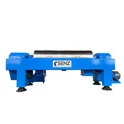

As a supplier of dewatering press machines, I've seen firsthand how crucial airtightness is for these machines. A well-sealed dewatering press can significantly improve its efficiency, reduce maintenance costs, and extend its lifespan. In this blog, I'll share some practical tips on how to ensure the airtightness of a dewatering press machine.
Understanding the Importance of Airtightness
Before we dive into the how-to, let's quickly go over why airtightness matters. When a dewatering press is airtight, it can maintain the right pressure inside the machine. This pressure is essential for squeezing out water from the material being processed. Without proper airtightness, the pressure can drop, leading to incomplete dewatering and lower productivity.
Moreover, an airtight press prevents leaks, which can not only waste the material being processed but also create a mess in the working environment. It also helps in reducing energy consumption because the machine doesn't have to work as hard to maintain the required pressure.
Inspecting the Seals
The first step in ensuring airtightness is to regularly inspect the seals of the dewatering press. Seals are like the gatekeepers of the machine, preventing air and fluid from escaping. Over time, seals can wear out due to constant use, exposure to chemicals, or high temperatures.
Check for any signs of damage, such as cracks, tears, or deformation. If you notice any issues, replace the seals immediately. Make sure to use high-quality seals that are compatible with your dewatering press model. You can usually find the right seals from the manufacturer or a reliable supplier.
Tightening the Bolts and Connections
Another important aspect is to keep all the bolts and connections tight. Loose bolts can create gaps, allowing air to leak out. Use a torque wrench to ensure that all the bolts are tightened to the recommended specifications. This will help maintain the structural integrity of the machine and prevent air from escaping through the joints.
Regularly check the connections between different parts of the dewatering press, such as the inlet and outlet pipes. Make sure they are properly sealed and tightened. If you find any loose connections, tighten them or replace the gaskets if necessary.
Maintaining the Gaskets
Gaskets play a vital role in creating an airtight seal between different components of the dewatering press. They are usually made of rubber or other flexible materials. Over time, gaskets can dry out, harden, or become brittle, which can lead to leaks.
To keep the gaskets in good condition, clean them regularly and apply a suitable lubricant. This will help prevent them from drying out and maintain their flexibility. If a gasket is damaged or worn out, replace it as soon as possible.


Monitoring the Pressure
Monitoring the pressure inside the dewatering press is an effective way to ensure airtightness. Install a pressure gauge on the machine to keep track of the pressure. If the pressure drops unexpectedly, it could be a sign of a leak.
Regularly check the pressure readings and compare them to the recommended operating pressure. If you notice any significant fluctuations or a consistent drop in pressure, investigate the cause immediately. It could be due to a damaged seal, a loose connection, or other issues.
Using the Right Materials
The materials used in the construction of the dewatering press can also affect its airtightness. Make sure to use high-quality materials that are resistant to corrosion, wear, and tear. For example, stainless steel is a popular choice for dewatering press components because it is durable and has good sealing properties.
When selecting materials for seals, gaskets, and other components, consider their compatibility with the material being processed. Some materials may react with certain chemicals or substances, which can damage the seals and reduce airtightness.
Training the Operators
Proper training of the operators is essential for maintaining the airtightness of the dewatering press. Operators should be familiar with the machine's operation, maintenance procedures, and safety guidelines. They should know how to inspect the seals, tighten the bolts, and monitor the pressure.
Provide regular training sessions to keep the operators updated on the latest techniques and best practices. Encourage them to report any issues or concerns immediately so that they can be addressed promptly.
Other Related Products
If you're interested in other types of separation equipment, we also offer a range of products such as Manure Decanter Centrifuge, Olive Oil Separator, and Oil Water Separator. These products are designed to meet different separation needs and can be a great addition to your processing line.
Conclusion
Ensuring the airtightness of a dewatering press machine is crucial for its performance and longevity. By following these tips, you can keep your machine in top condition and achieve optimal dewatering results. If you have any questions or need further assistance, feel free to contact us. We're here to help you find the right solutions for your dewatering needs.
References
- Manufacturer's manual for dewatering press machines
- Industry best practices for maintaining airtightness in industrial equipment