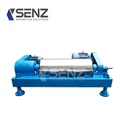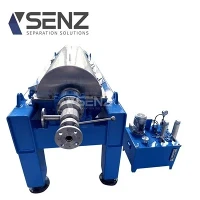

Hey there! I'm a supplier of Sludge Dewatering Equipment, and today I'm gonna talk about how to adjust the tension of the belt in belt filter press sludge dewatering equipment.
First off, let's understand why adjusting the belt tension is so important. In a belt filter press, the belt plays a crucial role in the sludge dewatering process. Proper belt tension ensures efficient sludge dewatering, prevents belt slippage, and extends the lifespan of the belt. If the belt tension is too loose, the sludge may not be properly compressed, leading to poor dewatering results. On the other hand, if the tension is too tight, it can cause excessive wear and tear on the belt and other components of the equipment.
Now, let's get into the steps of adjusting the belt tension.
Step 1: Check the Belt Condition
Before you start adjusting the tension, it's essential to check the condition of the belt. Look for any signs of damage, such as cracks, tears, or excessive wear. If you notice any issues, it's best to replace the belt before proceeding with the tension adjustment. A damaged belt can affect the dewatering performance and may even cause the equipment to malfunction.
Step 2: Locate the Tensioning Mechanism
Most belt filter press sludge dewatering equipment comes with a tensioning mechanism. This mechanism is usually located at the end of the belt, near the drive roller. It can be a manual or an automatic system. Manual tensioning systems typically use a handwheel or a lever to adjust the tension, while automatic systems use sensors and actuators to maintain the optimal tension.
Step 3: Measure the Initial Tension
Use a tension meter to measure the initial tension of the belt. This will give you a baseline for comparison. The ideal tension will depend on the type of belt, the width of the belt, and the specific requirements of your dewatering process. You can refer to the equipment's manual or consult with the manufacturer to determine the recommended tension range.


Step 4: Adjust the Tension
If the measured tension is outside the recommended range, it's time to make adjustments. For manual tensioning systems, turn the handwheel or operate the lever to increase or decrease the tension. Make small adjustments at a time and re - measure the tension after each adjustment. This will help you fine - tune the tension to the optimal level.
For automatic tensioning systems, you may need to adjust the settings on the control panel. Some systems allow you to set the desired tension value, and the system will automatically adjust the tension to maintain that value.
Step 5: Check the Belt Alignment
After adjusting the tension, it's important to check the alignment of the belt. A misaligned belt can cause uneven wear and reduce the dewatering efficiency. Most belt filter presses have alignment sensors and adjustment mechanisms. Make sure the belt is centered on the rollers and running smoothly. If the belt is misaligned, use the alignment adjustment tools to correct it.
Step 6: Test the Equipment
Once you've adjusted the tension and checked the alignment, run the equipment for a short period to test its performance. Observe the dewatering results and check for any signs of belt slippage or abnormal noise. If everything looks good, you've successfully adjusted the belt tension.
Now, I'd like to mention some related equipment that can enhance the performance of your sludge dewatering process. If you're interested in centrifuge maintenance, you can check out Centrifuge Maintenance. A well - maintained centrifuge can work in tandem with your belt filter press to improve the overall dewatering efficiency.
Another important component is the Flocculant Auto Dosing System. This system can accurately dose the flocculant into the sludge, which helps in the aggregation of sludge particles and improves the dewatering process.
Of course, if you're in the market for high - quality Sludge Dewatering Equipment, we've got you covered. Our equipment is designed to be reliable, efficient, and easy to maintain.
If you have any questions about adjusting the belt tension or need more information about our sludge dewatering equipment, don't hesitate to reach out. We're here to help you make the most of your dewatering process. Whether you're a small - scale operation or a large industrial facility, we can provide the right solutions for your needs.
In conclusion, adjusting the belt tension in belt filter press sludge dewatering equipment is a crucial step in ensuring optimal performance. By following the steps I've outlined above, you can keep your equipment running smoothly and achieve better dewatering results. So, if you're looking to improve your sludge dewatering process, give us a shout, and let's have a chat about how we can help.
References
- Manufacturer's manuals of belt filter press sludge dewatering equipment
- Industry best practices for sludge dewatering and equipment maintenance