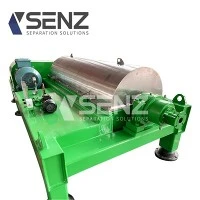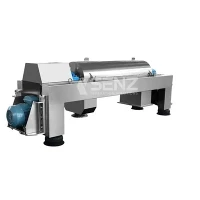

Hey there! As a supplier of Gluten Wheat Flour Separators, I've seen firsthand how crucial it is to get those separation parameters just right. In this blog, I'm gonna share some tips on how to adjust the separation parameters of a Gluten Wheat Flour Separator.
First off, let's talk about why adjusting these parameters is so important. A Gluten Wheat Flour Separator is designed to separate gluten from wheat flour, and the quality of this separation can have a huge impact on the final product. If the parameters aren't set correctly, you might end up with a product that has too much gluten or not enough, which can affect its texture, taste, and overall quality.
One of the key parameters to adjust is the speed of the separator. The speed at which the separator rotates can affect how effectively it separates the gluten from the flour. If the speed is too slow, the gluten might not be separated properly, and you'll end up with a product that has a lot of gluten still mixed in with the flour. On the other hand, if the speed is too fast, it can cause the gluten to break down, which can also affect the quality of the final product. So, finding the right speed is crucial.
Another important parameter is the pressure. The pressure inside the separator can also affect the separation process. If the pressure is too low, the gluten might not be forced out of the flour effectively. If the pressure is too high, it can cause the gluten to break down or the flour to become too compacted. So, you need to find the right balance of pressure to ensure a good separation.
The temperature is also a factor to consider. The temperature inside the separator can affect the properties of the gluten and the flour. If the temperature is too high, it can cause the gluten to denature, which can affect its quality. If the temperature is too low, the separation process might not work as effectively. So, you need to make sure the temperature is within the right range.
Now, let's talk about how to actually adjust these parameters. Most Gluten Wheat Flour Separators come with a control panel that allows you to adjust the speed, pressure, and temperature. You can usually find the recommended settings in the user manual that comes with the separator. However, these settings are just a starting point, and you might need to make some adjustments based on the specific characteristics of the wheat flour you're using.
To adjust the speed, you can usually use a dial or a digital display on the control panel. You can start by setting the speed to the recommended value and then gradually increase or decrease it to see how it affects the separation process. You can also use a speedometer to measure the actual speed of the separator and make sure it's within the desired range.
To adjust the pressure, you can use a pressure gauge on the control panel. You can start by setting the pressure to the recommended value and then gradually increase or decrease it to see how it affects the separation process. You can also use a pressure sensor to measure the actual pressure inside the separator and make sure it's within the desired range.
To adjust the temperature, you can use a temperature sensor on the control panel. You can start by setting the temperature to the recommended value and then gradually increase or decrease it to see how it affects the separation process. You can also use a thermometer to measure the actual temperature inside the separator and make sure it's within the desired range.
It's important to note that adjusting the separation parameters is not a one-time thing. You might need to make some adjustments based on the changes in the wheat flour, the operating conditions, or the desired quality of the final product. So, it's a good idea to keep a record of the settings you use and the results you get. This way, you can make more informed decisions in the future.
In addition to adjusting the separation parameters, there are some other things you can do to improve the performance of your Gluten Wheat Flour Separator. For example, you can make sure the separator is clean and well-maintained. A dirty or poorly maintained separator can affect the separation process and reduce the quality of the final product. You can also use high-quality wheat flour and make sure it's properly stored and handled. This can help ensure a better separation and a higher-quality final product.
Now, let's talk about some related products that might be of interest to you. If you're in the market for other types of separators or dewatering equipment, you might want to check out our Manure Screw Press, Septage Dewatering, or Black Diesel Oil Centrifuge. These products are designed to handle different types of materials and can provide efficient and reliable separation and dewatering solutions.
If you're interested in learning more about our Gluten Wheat Flour Separators or any of our other products, please don't hesitate to contact us. We'd be happy to answer any questions you might have and provide you with more information about our products and services. We're committed to providing high-quality products and excellent customer service, and we look forward to working with you.
References:


- Manufacturer's user manual for Gluten Wheat Flour Separators
- Industry research on gluten separation and flour quality