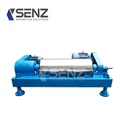

Can an oil water separator be used in the pulp and paper industry?
The pulp and paper industry is a significant global sector, known for its high - volume water usage and complex waste management requirements. As a leading supplier of oil water separators, I've often been asked about the applicability of our products in this industry. In this blog, I'll explore whether oil water separators can indeed be used in the pulp and paper industry, and the benefits they bring.
The Pulp and Paper Production Process and Its Wastewater Characteristics
The pulp and paper production process involves several stages, including pulping, bleaching, papermaking, and finishing. Each stage generates different types of wastewater, which typically contain a variety of contaminants such as fibers, chemicals, and oils.
During the pulping process, wood chips or recycled paper are broken down into fibers. This can release natural oils from the wood, as well as any oils used in the machinery for lubrication. In the bleaching stage, chemicals are used to whiten the pulp, and these chemicals can also mix with the wastewater. The papermaking stage involves the formation of paper sheets on a wire mesh, and the excess water that is drained off contains residual fibers and some oils from the machinery.
The wastewater from the pulp and paper industry is characterized by high levels of suspended solids, chemical oxygen demand (COD), and biochemical oxygen demand (BOD). Additionally, it may contain various types of oils, including mineral oils, vegetable oils, and synthetic oils. These oils can come from equipment lubrication, hydraulic systems, and the natural oils present in the raw materials.
The Role of Oil Water Separators in the Pulp and Paper Industry
Oil water separators are designed to separate oil and water based on the difference in their densities. They can be highly beneficial in the pulp and paper industry for several reasons.
1. Environmental Compliance
One of the primary reasons for using an oil water separator in the pulp and paper industry is to meet environmental regulations. Many countries and regions have strict laws regarding the discharge of wastewater containing oil and other contaminants. By removing the oil from the wastewater, companies can ensure that their effluent meets the required standards before being discharged into the environment or sent for further treatment.
2. Equipment Protection
Oils in the wastewater can cause problems for the equipment used in the pulp and paper production process. For example, they can clog pipes, filters, and pumps, leading to reduced efficiency and increased maintenance costs. An oil water separator can remove the oils from the wastewater before it enters the equipment, thereby extending the lifespan of the machinery and reducing the frequency of breakdowns.


3. Resource Recovery
Some of the oils removed from the wastewater can be recovered and reused. For example, vegetable oils can be used as a source of bio - fuel or recycled in other industrial processes. This not only helps to reduce the cost of raw materials but also has a positive impact on the environment by reducing waste.
Types of Oil Water Separators Suitable for the Pulp and Paper Industry
There are several types of oil water separators, and the choice depends on the specific characteristics of the wastewater and the requirements of the pulp and paper mill.
1. Gravity Separators
Gravity separators are the simplest and most commonly used type of oil water separator. They work based on the principle that oil is less dense than water and will therefore float to the surface. These separators typically consist of a tank where the wastewater is allowed to settle, and the oil is skimmed off the top. Gravity separators are relatively low - cost and easy to operate, but they may not be suitable for removing fine oil droplets or emulsified oils.
2. Coalescing Separators
Coalescing separators are designed to remove fine oil droplets and emulsified oils. They use a coalescing media, such as fibers or porous materials, to cause the oil droplets to combine or coalesce into larger droplets. These larger droplets can then be more easily separated from the water by gravity. Coalescing separators are more effective than gravity separators in removing small oil droplets, but they may require more maintenance.
3. Centrifugal Separators
Centrifugal separators use centrifugal force to separate oil and water. The wastewater is spun at high speed, causing the heavier water to move to the outer edge of the separator and the lighter oil to move towards the center. Centrifugal separators are very efficient at separating oil and water, even for highly emulsified mixtures. They can handle high - flow rates and are suitable for use in large - scale pulp and paper mills. For more information on related centrifugal technologies, you can visit our Solid Bowl Decanter Centrifuge page.
Considerations for Using Oil Water Separators in the Pulp and Paper Industry
When considering the use of an oil water separator in the pulp and paper industry, several factors need to be taken into account.
1. Wastewater Flow Rate
The flow rate of the wastewater is an important consideration. It determines the size and capacity of the oil water separator required. A separator that is too small for the flow rate will not be able to effectively separate the oil and water, while a separator that is too large will be more expensive and may operate inefficiently.
2. Oil Content and Type
The oil content and type in the wastewater also play a crucial role in the selection of an oil water separator. Different types of separators are more effective at removing different types of oils. For example, gravity separators are best suited for separating free - floating oils, while coalescing and centrifugal separators are better for removing emulsified oils.
3. Suspended Solids
The high levels of suspended solids in the pulp and paper wastewater can also affect the performance of the oil water separator. Excessive solids can clog the separator and reduce its efficiency. Therefore, it may be necessary to pre - treat the wastewater to remove the solids before it enters the oil water separator. Options for solid removal can be explored in our Sludge Dewatering Technologies and Septage Dewatering pages.
Conclusion
In conclusion, oil water separators can be effectively used in the pulp and paper industry. They offer numerous benefits, including environmental compliance, equipment protection, and resource recovery. By carefully selecting the appropriate type of oil water separator based on the wastewater characteristics and the specific requirements of the pulp and paper mill, companies can achieve efficient oil - water separation and improve their overall operations.
If you are in the pulp and paper industry and are looking for an oil water separator solution, we are here to help. Our team of experts can provide you with detailed information and customized solutions based on your specific needs. Contact us to start a discussion about procurement and see how our oil water separators can benefit your business.
References
- "Handbook of Pulp and Paper Technologies", John Wiley & Sons.
- "Environmental Regulations for the Pulp and Paper Industry", Environmental Protection Agency.
- "Oil Water Separation Principles and Applications", Elsevier.