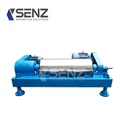

Can a decantador be used for flavored spirits? That's a question I get asked a lot as a decantador supplier. In this blog post, I'm gonna break down the ins and outs of using a decantador for flavored spirits, sharing some insights and tips based on my experience in the industry.
First off, let's talk about what a decantador is. For those who aren't familiar, a decantador, or decanter, is a container used to separate and aerate liquids, typically wine. It's designed to separate sediment from the liquid and expose it to air, which can enhance the flavor and aroma. But can it work for flavored spirits? The short answer is yes, but there are some things to consider.
Flavored spirits come in a wide variety of styles, from fruity liqueurs to spiced rums. Each type has its own unique flavor profile and characteristics. When using a decantador for flavored spirits, you need to think about how the process of decanting might affect these flavors.
One of the main benefits of decanting is aeration. When you pour a spirit into a decantador, it comes into contact with air, which can help to open up the flavors and aromas. This is especially true for aged spirits, where the flavors can be a bit muted. For flavored spirits, aeration can enhance the natural flavors and make them more pronounced. For example, a fruity liqueur might become even more fragrant and the fruit flavors more intense after being decanted.
However, not all flavored spirits will benefit from aeration in the same way. Some spirits, especially those with delicate flavors, might be overpowered by too much air. For instance, a light, floral - flavored gin might lose some of its subtlety if left in a decantador for too long. So, it's important to know your spirit and how it reacts to air.
Another factor to consider is sediment. While sediment is more commonly associated with wine, some flavored spirits can also have sediment, especially if they're made with natural ingredients. A decantador can be useful for separating this sediment from the liquid, resulting in a clearer and smoother - tasting spirit. For example, a spiced rum that has bits of spice sediment at the bottom can be decanted to remove these particles, giving you a cleaner drink.
Now, let's talk about the types of decantadors available. There are different shapes and sizes, and each can have an impact on the decanting process. A wide - bottomed decantador will expose more of the spirit to air, which can speed up the aeration process. On the other hand, a narrow - necked decantador might limit the amount of air that comes into contact with the spirit, which can be better for more delicate flavored spirits.
As a decantador supplier, I've seen a lot of different products in the market. If you're interested in small - scale decanting, you might want to check out the Small Decanter Centrifuge. It's a great option for those who want to experiment with decanting at home or in a small bar setting.
For larger operations, like distilleries or big bars, something like the Starch Extraction Decanter Centrifuge can be a more suitable choice. It's designed for more industrial - scale decanting and can handle larger volumes of liquid.
And if you're in the oilfield industry and need equipment for related processes, you might be interested in Oilfield Drilling Equipment. Although it's not directly related to flavored spirits, it shows the range of decanting and separation equipment available.
When it comes to using a decantador for flavored spirits, there are also some practical tips. First, make sure your decantador is clean. Any residue from previous use can affect the flavor of the new spirit. You can clean it with warm, soapy water and then rinse it thoroughly.
Also, be careful when pouring the spirit into the decantador. Pour slowly to avoid creating too much foam, which can also affect the flavor. And if you're decanting a spirit with sediment, try to leave the sediment at the bottom of the original bottle.
In terms of how long to decant, it really depends on the spirit. For most flavored spirits, a few hours to a day should be enough to see the benefits of aeration. But if you're not sure, start with a shorter time and taste the spirit at intervals to see how it changes.
If you're thinking about adding decantadors to your business or just want to try decanting flavored spirits at home, I'd love to help. As a decantador supplier, I have a wide range of products to suit different needs and budgets. Whether you're a small bar owner looking to enhance the presentation of your spirits or a home enthusiast wanting to explore new flavors, I can provide you with the right decantador.


If you're interested in learning more or discussing your specific requirements, don't hesitate to reach out. We can have a chat about which decantador would be the best fit for your flavored spirits. Let's work together to take your spirit - tasting experience to the next level.
References
- "The Art of Decanting" - A guidebook on decanting various liquids
- Industry reports on the impact of aeration on spirit flavors