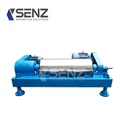

Yo, what's up everyone! I'm a supplier of Used Cooking Oil Separators, and today I wanna have a chat about whether there are any limitations to the use of these nifty machines.
First off, let's quickly go over what a used cooking oil separator does. It's a device that helps separate the used cooking oil from other contaminants like food particles, water, and debris. This is super important because it allows the oil to be reused or properly disposed of in an environmentally friendly way.
Now, let's dive into the limitations. One of the main limitations is the initial cost. Buying a high - quality used cooking oil separator can be pretty pricey. Smaller restaurants or food businesses on a tight budget might find it hard to shell out the money for one. You know, they've got a lot of other expenses like rent, staff wages, and food supplies. So, the upfront investment in a separator can be a real deterrent.
Another limitation is the maintenance. These machines need regular upkeep to work at their best. You've gotta clean the filters, check the pumps, and make sure all the parts are in good working order. If you don't do the maintenance, the separator can become less efficient or even break down completely. And let's face it, not everyone has the time or the technical know - how to do proper maintenance. Some businesses might have to hire a professional, which adds to the overall cost.


The capacity of the separator is also a factor. Different models have different capacities, and if your business generates a large amount of used cooking oil, you need a separator that can handle that volume. If you choose a separator with a too - small capacity, it'll take forever to process the oil, and you might end up with a backlog. On the other hand, if you buy a separator with a much larger capacity than you need, you're just wasting money.
The type of oil can also pose a limitation. Some used cooking oils are more difficult to separate than others. For example, oils that have been used to fry foods with a lot of starch or sugar can become thick and sticky. These types of oils might clog the separator's filters or cause other problems. So, depending on what you're frying in your kitchen, the separator might not work as effectively.
Now, let's talk about some of the workarounds and related products. If you're worried about the cost, you could look into leasing a used cooking oil separator instead of buying it outright. This can reduce the initial financial burden. And if you're having trouble with maintenance, there are companies that offer maintenance packages.
There are also other types of separators and related equipment that might be useful in conjunction with a used cooking oil separator. For instance, the Tailings Dewatering Decanter Centrifuge can be used in other industrial processes where separation is needed. It uses centrifugal force to separate different components, which is a similar principle to how a used cooking oil separator works.
The Centrifuge Sludge Separator is another option. It's designed to separate sludge from liquids, and in some cases, it could be used to further refine the separation process after using a used cooking oil separator.
And the DDGS Dewatering Centrifuge is useful in the ethanol production industry for separating solids from liquids. While it might not be directly related to used cooking oil separation, it shows the versatility of centrifuge technology.
Despite these limitations, a used cooking oil separator is still a great investment for many food businesses. It helps save money in the long run by allowing you to reuse the oil, and it's better for the environment. If you're in the food industry and are thinking about getting a used cooking oil separator, don't let the limitations scare you off. Just do your research, choose the right model for your needs, and make sure you're prepared to do the necessary maintenance.
If you're interested in learning more about our used cooking oil separators or want to discuss your specific requirements, I'd love to hear from you. We can have a chat about which model would be the best fit for your business and how we can help you get the most out of it. Whether you're a small diner or a large restaurant chain, we've got solutions that can work for you.
In conclusion, while there are limitations to the use of a used cooking oil separator, with the right approach, these limitations can be managed. So, don't hesitate to reach out and start a conversation about how we can help you with your used cooking oil separation needs.
References
- General knowledge about used cooking oil separators and related industrial equipment.
- Industry reports on the food service and separation technology sectors.