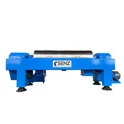

As a supplier of sludge decanter centrifuges, I often get asked about the different components and their roles in the centrifuge system. One such crucial component is the feed distributor. In this blog, I'll break down what the feed distributor does in a sludge decanter centrifuge and why it's so important.
Understanding the Basics of a Sludge Decanter Centrifuge
Before we dive into the role of the feed distributor, let's quickly recap how a sludge decanter centrifuge works. A sludge decanter centrifuge is a machine that separates solids from liquids in a sludge mixture. It uses centrifugal force to spin the sludge at high speeds, causing the heavier solids to settle to the outer edge of the centrifuge bowl while the lighter liquid phase remains closer to the center.
The main parts of a sludge decanter centrifuge include the bowl, the screw conveyor (scroll), and the drive system. The bowl rotates at high speeds, creating the centrifugal force needed for separation. The scroll rotates at a slightly different speed than the bowl, pushing the settled solids towards the discharge end of the centrifuge.


What is a Feed Distributor?
The feed distributor is a key component located at the center of the centrifuge bowl. It's responsible for introducing the sludge mixture into the centrifuge in a controlled and efficient manner. Think of it as the "entry point" for the sludge into the centrifuge.
The Role of the Feed Distributor
1. Even Distribution of the Feed
One of the primary roles of the feed distributor is to ensure that the sludge mixture is evenly distributed across the cross - section of the centrifuge bowl. If the feed isn't evenly distributed, it can lead to uneven sedimentation of the solids. This can cause problems such as imbalance in the centrifuge, which can lead to excessive vibration, increased wear and tear on the machine, and even reduced separation efficiency.
For example, if a large amount of sludge is concentrated on one side of the bowl, the centrifuge will have to work harder to maintain its balance. This not only wastes energy but also shortens the lifespan of the centrifuge components. The feed distributor helps prevent these issues by spreading the sludge evenly, allowing for a more stable and efficient operation.
2. Minimizing Turbulence
When the sludge enters the centrifuge, it's important to minimize turbulence. Turbulence can disrupt the sedimentation process by causing the settled solids to re - mix with the liquid phase. The feed distributor is designed to introduce the sludge into the centrifuge in a way that reduces the formation of turbulent flow.
It does this by using special channels or vanes that guide the sludge gently into the bowl. These channels are designed to slow down the flow of the sludge and direct it in a smooth and controlled manner. By minimizing turbulence, the feed distributor helps the solids settle more quickly and efficiently, improving the overall separation performance of the centrifuge.
3. Protecting the Centrifuge Components
The feed distributor also plays a role in protecting the other components of the centrifuge. The sludge mixture can contain abrasive particles that can cause wear on the centrifuge bowl and the scroll. The feed distributor helps to distribute these abrasive particles evenly, reducing the concentrated wear on any one area.
Additionally, by ensuring a smooth and even flow of the feed, the feed distributor reduces the impact forces on the centrifuge components. This helps to prevent damage to the bowl and the scroll, which can be expensive to repair or replace.
Impact on Different Applications
The role of the feed distributor becomes even more critical in different applications of sludge decanter centrifuges.
Sand & Gravel Washing Water Treatment
In Sand & Gravel Washing Water Treatment, the sludge contains a high amount of sand and gravel particles. The feed distributor needs to be able to handle these large and abrasive particles and ensure their even distribution. A well - designed feed distributor can prevent clogging and ensure that the centrifuge can effectively separate the solids from the water, producing clean water that can be reused in the washing process.
Oil Field Centrifuge
For Oil Field Centrifuge, the sludge mixture often contains oil, water, and solid particles such as drilling mud. The feed distributor must introduce the mixture in a way that allows for efficient separation of the oil from the water and solids. It needs to minimize the emulsification of the oil and water, which can occur if there is too much turbulence during the feeding process. A good feed distributor can improve the recovery of oil and reduce the environmental impact of oil field operations.
Sewage Decanter Centrifuge
In Sewage Decanter Centrifuge applications, the sludge contains a complex mixture of organic and inorganic solids. The feed distributor helps to ensure that the different types of solids are evenly distributed in the centrifuge bowl. This is important for achieving a high - quality separation, where the solids are effectively dewatered and the liquid phase is clarified.
Importance of a Well - Designed Feed Distributor
A well - designed feed distributor can significantly improve the performance and efficiency of a sludge decanter centrifuge. It can increase the throughput of the centrifuge, meaning more sludge can be processed in a given amount of time. It can also improve the quality of the separation, resulting in drier solids and clearer liquids.
Moreover, a good feed distributor can reduce the maintenance requirements of the centrifuge. By minimizing wear and tear on the components, it can extend the lifespan of the centrifuge and save on repair and replacement costs in the long run.
Conclusion
In conclusion, the feed distributor is a vital component in a sludge decanter centrifuge. Its role in evenly distributing the feed, minimizing turbulence, and protecting the centrifuge components is essential for the efficient and effective operation of the centrifuge. Whether it's in sand and gravel washing water treatment, oil field applications, or sewage treatment, the feed distributor plays a key role in achieving high - quality separation results.
If you're in the market for a sludge decanter centrifuge or looking to improve the performance of your existing centrifuge, don't overlook the importance of the feed distributor. Contact us to learn more about our high - quality sludge decanter centrifuges and how our advanced feed distributor technology can benefit your operations. We're here to help you find the best solution for your specific needs.
References
- "Centrifugation in Industrial Applications" - A comprehensive guide on the principles and applications of centrifuges.
- "Sludge Treatment Technologies" - A book that covers different methods of sludge treatment, including the use of decanter centrifuges.