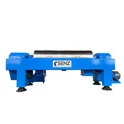

In the beverage - production process, the yeast separator plays a crucial role in ensuring the quality and safety of the final product. Maintaining the hygiene of a yeast separator is of utmost importance as it directly impacts the taste, shelf - life, and overall quality of the beverages. As a yeast separator supplier, I understand the significance of this issue and would like to share some key strategies to ensure the hygiene of a yeast separator.


1. Regular Cleaning Procedures
The first step in ensuring the hygiene of a yeast separator is to establish a regular cleaning schedule. After each production run, the separator should be thoroughly cleaned to remove any residual yeast, bacteria, and other contaminants.
- Pre - cleaning: Before starting the main cleaning process, a pre - rinse with warm water can be carried out to remove large particles of yeast and other debris. This helps to prevent clogging of the cleaning nozzles and reduces the overall cleaning time.
- Chemical Cleaning: A suitable cleaning agent should be used to disinfect the separator. Alkaline cleaners are often effective in removing organic matter such as yeast. The cleaning agent should be circulated through the separator for a specified period, usually according to the manufacturer's instructions. This process helps to break down and remove any stubborn deposits.
- Rinsing: After the chemical cleaning, a thorough rinse with clean water is essential to remove all traces of the cleaning agent. Any remaining cleaning agent can affect the quality of the subsequent beverage production.
2. Inspection and Maintenance
Regular inspection and maintenance of the yeast separator are vital for ensuring its proper functioning and hygiene.
- Visual Inspection: Periodically, the separator should be visually inspected for any signs of wear and tear, such as cracks, leaks, or corrosion. Any damaged parts should be replaced immediately to prevent the growth of bacteria in the damaged areas.
- Seal Inspection: The seals of the yeast separator are critical for preventing leakage and contamination. They should be inspected regularly for signs of damage or deterioration. Worn - out seals should be replaced promptly to maintain the integrity of the separator.
- Lubrication: Moving parts of the separator, such as bearings and gears, need to be properly lubricated. This not only ensures smooth operation but also helps to prevent the accumulation of dirt and debris in these areas.
3. Staff Training
Proper training of the staff operating the yeast separator is essential for maintaining its hygiene.
- Hygiene Awareness: Staff should be educated about the importance of hygiene in the beverage - production process. They should understand how contaminants can affect the quality of the final product and the potential health risks associated with poor hygiene.
- Operating Procedures: Staff should be trained on the correct operating procedures of the yeast separator, including how to clean, inspect, and maintain it. They should also be aware of the safety precautions to be taken during these operations.
4. Environmental Control
The environment in which the yeast separator operates can also impact its hygiene.
- Temperature and Humidity: The temperature and humidity of the production area should be controlled within a suitable range. High temperatures and humidity can promote the growth of bacteria and mold. Maintaining a cool and dry environment helps to prevent the proliferation of these contaminants.
- Air Quality: The air in the production area should be clean and free from dust and other airborne particles. Air filtration systems can be installed to improve the air quality and reduce the risk of contamination.
5. Validation and Documentation
Validation of the cleaning and maintenance procedures is necessary to ensure that they are effective in maintaining the hygiene of the yeast separator.
- Validation Tests: Regular validation tests should be conducted to verify the effectiveness of the cleaning and disinfection processes. These tests can include microbiological testing to check for the presence of bacteria and other contaminants.
- Documentation: All cleaning, inspection, and maintenance activities should be documented. This documentation serves as a record of the separator's hygiene status and can be used for quality control and regulatory compliance purposes.
Related Separation Equipment
In addition to yeast separators, there are other types of separation equipment that are widely used in various industries. For example, the Olive Oil Separator is used in the olive oil production process to separate the oil from the water and other impurities. The Manure Decanter is used in the agricultural industry to separate solid and liquid components of manure. And the Municipal Sewage Treatment equipment plays a crucial role in treating sewage and removing contaminants.
Conclusion
Ensuring the hygiene of a yeast separator in the beverage - production process is a complex but essential task. By implementing regular cleaning procedures, conducting thorough inspections and maintenance, providing proper staff training, controlling the operating environment, and validating and documenting all activities, the hygiene of the yeast separator can be effectively maintained. This not only ensures the quality and safety of the beverages but also helps to comply with regulatory requirements.
If you are in the market for a high - quality yeast separator or need more information on maintaining its hygiene, please feel free to contact us. We are committed to providing you with the best products and services to meet your needs.
References
- "Beverage Production Technology" by John Smith
- "Hygiene Standards in Food and Beverage Industry" by Jane Doe