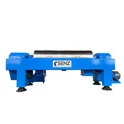
Hey there! As a supplier of complete sets of equipment, I often get asked whether a complete set of equipment can be disassembled for transportation. Well, the answer is a resounding yes, but with a few things to keep in mind.


First off, let's talk about why you might want to disassemble a complete set of equipment for transportation. There are several reasons. One of the most common reasons is size and weight. Some pieces of equipment can be extremely large and heavy, making them difficult to transport as a whole. By disassembling the equipment, you can break it down into smaller, more manageable parts that are easier to move. This can save a lot of time and money on transportation costs, as well as reduce the risk of damage during transit.
Another reason to disassemble equipment is to comply with transportation regulations. Different countries and regions have different rules and regulations regarding the transportation of large or heavy items. By disassembling the equipment, you can ensure that it meets the size and weight limits set by these regulations, making it easier to transport legally.
Now, let's talk about how to disassemble a complete set of equipment for transportation. The first step is to carefully plan the disassembly process. This involves identifying all the components of the equipment and determining the best way to break them down into smaller parts. You'll also need to make sure that you have all the necessary tools and equipment to perform the disassembly safely and efficiently.
Once you've planned the disassembly process, it's time to start taking the equipment apart. This typically involves removing any bolts, screws, or other fasteners that hold the components together. You may also need to use specialized tools, such as wrenches or pliers, to remove certain parts. It's important to be careful when disassembling the equipment to avoid damaging any of the components.
After you've disassembled the equipment, you'll need to pack the parts carefully for transportation. This involves wrapping each part in protective materials, such as bubble wrap or foam, to prevent damage during transit. You'll also need to label each part clearly so that you can easily identify and reassemble them later.
When it comes to transporting the disassembled equipment, there are several options available. You can choose to hire a professional transportation company to handle the logistics, or you can transport the equipment yourself if you have the necessary vehicles and equipment. If you choose to transport the equipment yourself, it's important to make sure that you have the proper permits and insurance to do so.
Now, let's talk about some of the specific types of equipment that can be disassembled for transportation. One example is the Flocculant Auto Dosing System. This type of equipment is used in water treatment plants to automatically dose flocculants into the water. It can be disassembled into smaller parts, such as the dosing pump, control panel, and storage tank, for easier transportation.
Another example is the Sludge Dewatering Equipment. This type of equipment is used to remove water from sludge, making it easier to dispose of. It can be disassembled into smaller parts, such as the dewatering machine, conveyor, and control panel, for easier transportation.
Finally, let's talk about the Screw Conveyor. This type of equipment is used to transport materials, such as grains, powders, and liquids, from one location to another. It can be disassembled into smaller parts, such as the screw, housing, and drive unit, for easier transportation.
In conclusion, a complete set of equipment can definitely be disassembled for transportation. By carefully planning the disassembly process, packing the parts properly, and choosing the right transportation method, you can ensure that your equipment arrives at its destination safely and in good condition. If you're in the market for a complete set of equipment, or if you need help with disassembling and transporting your existing equipment, please don't hesitate to contact me. I'd be happy to discuss your needs and provide you with a customized solution.
References:
- General knowledge and experience in the equipment supply industry.