
Hey there! As a supplier of oil water separators, I often get asked about the installation space requirements for these nifty devices. So, I thought I'd sit down and write a blog post to clear up any confusion and give you all the info you need.
First off, let's talk about what an oil water separator actually does. In a nutshell, it's a device that separates oil and water from a mixture. This is super important in a bunch of industries, like manufacturing, automotive, and food processing, where oily wastewater is a common byproduct. By removing the oil from the water, these separators help prevent environmental pollution and ensure compliance with regulations.
Now, onto the main topic: installation space requirements. The amount of space you'll need for an oil water separator depends on a few key factors. Let's break them down one by one.
Size of the Separator
The most obvious factor is the size of the separator itself. Oil water separators come in all shapes and sizes, from small, compact units for residential use to large, industrial-scale systems. The size you need will depend on the volume of wastewater you need to treat. If you're dealing with a small amount of wastewater, like in a small workshop or garage, a smaller separator might be sufficient. On the other hand, if you're running a large manufacturing plant, you'll likely need a much bigger unit.
When choosing the size of your separator, it's important to consider not just the current volume of wastewater but also any potential future growth. You don't want to end up with a separator that's too small and can't keep up with your needs as your business expands.


Flow Rate
Another important factor is the flow rate of the wastewater. This refers to the amount of wastewater that needs to pass through the separator per unit of time, usually measured in gallons per minute (GPM) or liters per second (L/s). The flow rate will determine how quickly the separator needs to work to treat the wastewater effectively.
A higher flow rate generally means you'll need a larger separator with more capacity. If the flow rate is too high for the size of the separator, it won't be able to separate the oil and water properly, and you might end up with contaminated water being discharged. So, make sure you accurately calculate the flow rate of your wastewater before choosing a separator.
Type of Separator
There are different types of oil water separators available, each with its own installation space requirements. The most common types include gravity separators, coalescing separators, and centrifugal separators.
- Gravity Separators: These are the simplest and most common type of oil water separator. They work based on the principle that oil is less dense than water, so it floats to the surface. Gravity separators typically require a relatively large amount of space because they rely on gravity to separate the oil and water, which takes time. They usually have a large settling tank where the wastewater sits for a period of time, allowing the oil to rise to the top and be skimmed off.
- Coalescing Separators: Coalescing separators use special media to cause the oil droplets in the wastewater to combine or "coalesce" into larger droplets, which then float to the surface more easily. These separators are more compact than gravity separators and can be a good option if you have limited space. However, they still require some space for the media and the separation chamber.
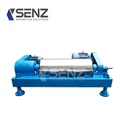
- Centrifugal Separators: Centrifugal separators use centrifugal force to separate the oil and water. They spin the wastewater at high speeds, causing the heavier water to move to the outside and the lighter oil to collect in the center. These separators are the most compact of the three types and can be a great choice if space is really tight. However, they are also more expensive and require more maintenance.
Access and Maintenance
In addition to the physical size of the separator, you also need to consider the space required for access and maintenance. You'll need to be able to easily reach the separator for routine inspections, cleaning, and repairs. This means leaving enough space around the separator for people to move around and for equipment to be brought in if needed.
It's also a good idea to have some extra space for storing replacement parts and chemicals. This will make it easier to keep your separator in good working condition and minimize downtime in case of a breakdown.
Location
The location where you install the oil water separator can also affect the space requirements. If you're installing the separator indoors, you'll need to make sure there's enough headroom and floor space. You'll also need to consider the ventilation requirements to prevent the buildup of fumes and odors.
If you're installing the separator outdoors, you'll need to protect it from the elements. This might mean building a shelter or enclosure around the separator. You'll also need to make sure the location is level and stable to prevent the separator from tipping over or shifting.
Examples of Installation Space Requirements
To give you a better idea of what the installation space requirements might look like, here are a few examples:
- Small Residential Separator: A small, residential oil water separator for a single-family home or small workshop might require a space of about 2 feet by 2 feet by 3 feet (0.6 meters by 0.6 meters by 0.9 meters). This type of separator is usually designed to handle a low flow rate of wastewater and can be installed in a basement or utility room.
- Medium-Sized Commercial Separator: A medium-sized commercial separator for a small to medium-sized business might require a space of about 4 feet by 4 feet by 6 feet (1.2 meters by 1.2 meters by 1.8 meters). This type of separator can handle a higher flow rate of wastewater and might be installed in a dedicated equipment room or outdoors in a shelter.
- Large Industrial Separator: A large industrial oil water separator for a big manufacturing plant or refinery could require a space of 10 feet by 10 feet by 20 feet (3 meters by 3 meters by 6 meters) or more. These separators are designed to handle very high flow rates of wastewater and are usually installed outdoors in a large, open area.
Other Considerations
Before you finalize the installation of your oil water separator, there are a few other things to keep in mind:
- Local Regulations: Make sure you check the local regulations and codes regarding the installation of oil water separators. There might be specific requirements for things like setbacks from property lines, distance from water sources, and environmental permits.
- Piping and Connections: You'll need to have the appropriate piping and connections in place to connect the separator to your wastewater source and the discharge point. Make sure you leave enough space for the pipes and valves to be installed and maintained.
- Safety: Safety should always be a top priority. Make sure the installation area is well-lit and free of hazards. You might also need to install safety features like guards and warning signs to prevent accidents.
Conclusion
So, there you have it! The installation space requirements for an oil water separator depend on a variety of factors, including the size of the separator, the flow rate of the wastewater, the type of separator, access and maintenance needs, and the location. By carefully considering these factors, you can choose the right separator for your needs and ensure that it's installed correctly.
If you're in the market for an oil water separator and need more information or help with the installation process, don't hesitate to reach out. We're here to help you find the best solution for your business. And if you're also interested in other related products, check out our Waste Dewatering, Manure Screw Press, and Manure Decanter options.
Let's work together to keep your wastewater clean and your business running smoothly!
References
- "Oil-Water Separation Technology: A Review." Journal of Environmental Management.
- "Design and Operation of Oil-Water Separators." Environmental Protection Agency.