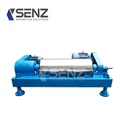
As a dedicated Centrifuge Maintenance supplier, I've witnessed firsthand the critical role that a centrifuge's external casing plays in its overall performance and longevity. The external casing is not just a protective shell; it's an integral part of the centrifuge system that requires proper care and attention. In this blog, I'll share some essential maintenance tips for a centrifuge's external casing to ensure your equipment operates at its best.
Regular Cleaning
One of the most fundamental maintenance tasks for a centrifuge's external casing is regular cleaning. Over time, dust, dirt, and other contaminants can accumulate on the surface of the casing, which not only affects the appearance of the centrifuge but can also lead to corrosion and other issues. To clean the external casing, use a soft, damp cloth and a mild detergent. Avoid using abrasive cleaners or harsh chemicals, as these can damage the casing's finish. Gently wipe down the entire surface of the casing, paying special attention to any areas where dirt or debris may have collected. After cleaning, dry the casing thoroughly to prevent water spots or rust.
Inspection for Damage
Regular inspections are crucial for identifying any damage or wear and tear on the centrifuge's external casing. Look for cracks, dents, or other signs of physical damage that could compromise the integrity of the casing. Even small cracks can allow moisture and contaminants to enter the centrifuge, which can lead to corrosion and other problems. If you notice any damage, it's important to address it immediately. Depending on the severity of the damage, you may be able to repair it yourself using a suitable repair kit. However, for more extensive damage, it's best to contact a professional Centrifuge Maintenance service provider, like us. You can find more information about our Centrifuge Maintenance services on our website.
Corrosion Prevention
Corrosion is one of the most common problems that can affect a centrifuge's external casing, especially in environments where the centrifuge is exposed to moisture, chemicals, or other corrosive substances. To prevent corrosion, it's important to keep the casing clean and dry. If the centrifuge is used in a corrosive environment, consider applying a protective coating to the external casing. There are various types of protective coatings available, such as epoxy coatings or powder coatings, which can provide an extra layer of protection against corrosion. Additionally, make sure to inspect the casing regularly for any signs of corrosion, such as rust or discoloration. If you notice any corrosion, remove it immediately using a suitable rust remover and then apply a fresh coat of protective coating.


Proper Storage
When the centrifuge is not in use, proper storage is essential to protect the external casing. Store the centrifuge in a clean, dry, and well-ventilated area. Avoid storing the centrifuge in areas where it may be exposed to extreme temperatures, humidity, or direct sunlight, as these conditions can cause damage to the casing. If possible, cover the centrifuge with a protective cover to prevent dust and dirt from accumulating on the surface. Additionally, make sure to follow the manufacturer's instructions for storing the centrifuge, as some models may require specific storage conditions.
Lubrication of Moving Parts
If the centrifuge's external casing has any moving parts, such as hinges or latches, it's important to lubricate them regularly to ensure smooth operation. Use a suitable lubricant, such as silicone spray or machine oil, and apply it to the moving parts according to the manufacturer's instructions. Lubrication helps to reduce friction and wear, which can extend the lifespan of the moving parts and prevent them from seizing up.
Alignment and Mounting
Proper alignment and mounting of the centrifuge are also important for the maintenance of the external casing. Make sure the centrifuge is installed on a stable and level surface to prevent excessive vibration, which can cause damage to the casing. Check the mounting bolts regularly to ensure they are tight and secure. If the centrifuge is misaligned or not properly mounted, it can put additional stress on the casing, leading to premature wear and tear.
Monitoring Temperature and Humidity
Monitoring the temperature and humidity in the centrifuge's operating environment is crucial for preventing damage to the external casing. High temperatures and humidity can accelerate the corrosion process and cause other problems, such as warping or cracking of the casing. Use a temperature and humidity monitor to keep track of the environmental conditions. If the temperature or humidity levels are outside the recommended range, take appropriate measures to adjust them, such as using a dehumidifier or air conditioner.
Training and Education
Proper training and education of the centrifuge operators are essential for the maintenance of the external casing. Make sure the operators are aware of the importance of regular cleaning, inspection, and maintenance of the centrifuge. Provide them with training on how to perform basic maintenance tasks, such as cleaning the casing and checking for damage. Encourage them to report any issues or abnormalities they notice during operation immediately.
Documentation and Record-Keeping
Keeping detailed documentation and records of the centrifuge's maintenance activities is important for tracking its maintenance history and ensuring that all necessary maintenance tasks are performed on time. Maintain a log of all cleaning, inspection, and repair activities, including the date, time, and details of the work performed. This documentation can be useful for troubleshooting, warranty claims, and compliance with regulatory requirements.
In conclusion, proper maintenance of a centrifuge's external casing is essential for ensuring the reliable and efficient operation of the centrifuge. By following these maintenance tips, you can extend the lifespan of the centrifuge, prevent costly repairs, and improve its overall performance. If you have any questions or need further assistance with centrifuge maintenance, don't hesitate to contact us. We are a leading Centrifuge Maintenance supplier and can provide you with the expertise and support you need. Whether you are looking for maintenance services, replacement parts, or advice on centrifuge operation, we are here to help. Visit our website to learn more about our Centrifuge Maintenance services and other related products, such as Sludge Dewatering Equipment and Screw Conveyor. We look forward to the opportunity to work with you and help you keep your centrifuge in top condition.
References
- Manufacturer's manuals and documentation for centrifuge equipment
- Industry standards and best practices for centrifuge maintenance
- Technical articles and research papers on centrifuge operation and maintenance