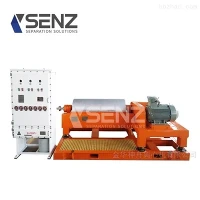

Centrifuges are essential equipment in various industries, including pharmaceuticals, biotechnology, chemical processing, and wastewater treatment. They work on the principle of centrifugal force to separate substances of different densities, sizes, or phases. However, like any other machinery, centrifuges require regular maintenance to ensure optimal performance, longevity, and safety. As a Centrifuge Maintenance supplier, we understand the importance of proper maintenance for different types of centrifuges. In this blog, we will discuss the maintenance requirements for various centrifuge types.
1. Benchtop Centrifuges
Benchtop centrifuges are commonly used in laboratories for small - scale sample separation. They are compact, easy to operate, and suitable for a wide range of applications such as cell separation, DNA extraction, and protein purification.
Cleaning
Regular cleaning is crucial for benchtop centrifuges. After each use, the rotor and chamber should be wiped clean with a mild detergent and a soft cloth. This helps to remove any spills, debris, or biological contaminants. The centrifuge should also be cleaned on a monthly basis more thoroughly. The rotor can be removed and soaked in a cleaning solution, followed by a rinse with distilled water and air - drying.
Lubrication
Most benchtop centrifuges have sealed bearings that do not require regular lubrication. However, it is important to check the manufacturer's instructions. If lubrication is needed, use only the recommended lubricants. Over - lubrication can cause problems such as contamination of samples and increased friction.
Balance Check
Balancing the samples is essential for the proper operation of benchtop centrifuges. Imbalanced loads can cause excessive vibration, which may damage the centrifuge and affect the accuracy of the separation. Before starting the centrifuge, ensure that the samples are evenly distributed in the rotor. Some modern benchtop centrifuges are equipped with automatic imbalance detection systems, but it is still good practice to manually check the balance.
Rotor Inspection
Regularly inspect the rotor for signs of wear, cracks, or corrosion. Cracks in the rotor can lead to catastrophic failure during operation. If any damage is detected, replace the rotor immediately. Rotors should also be inspected for proper seating in the centrifuge drive shaft.
2. Floor - Standing Centrifuges
Floor - standing centrifuges are larger and more powerful than benchtop centrifuges. They are used for high - volume sample processing in industrial and large - scale laboratory settings.
Cooling System Maintenance
Floor - standing centrifuges often generate a significant amount of heat during operation. They are usually equipped with a cooling system, such as a refrigeration unit or a water - cooling system. The cooling system should be maintained regularly. For refrigeration units, check the refrigerant level, clean the condenser coils, and ensure that the fans are working properly. In water - cooling systems, check for leaks, clean the water filters, and maintain the proper water flow rate.
Belt and Drive System
The belt and drive system in floor - standing centrifuges are responsible for transferring power from the motor to the rotor. Inspect the belts for signs of wear, such as cracking or stretching. Replace the belts if necessary. Also, check the tension of the belts and adjust it according to the manufacturer's specifications. The drive system, including the pulleys and gears, should be lubricated and inspected for proper alignment.
Electrical System
The electrical system of floor - standing centrifuges is complex and requires careful maintenance. Check the power cords for any damage, fraying, or loose connections. Inspect the control panel for proper functioning of the switches, displays, and sensors. Have the electrical system serviced by a qualified technician on a regular basis to prevent electrical hazards.
Structural Integrity
Floor - standing centrifuges are heavy and can be subject to mechanical stress. Regularly inspect the frame and housing for any signs of damage, such as cracks or deformation. Ensure that all the bolts and fasteners are tightened properly to maintain the structural integrity of the centrifuge.
3. Decanter Centrifuges
Decanter centrifuges are widely used in industries such as wastewater treatment, oil and gas, and food processing for continuous separation of solids and liquids.
Feed System Maintenance
The feed system of a decanter centrifuge, including the Centrifuge Feed Pump, is critical for proper operation. The pump should be inspected regularly for proper flow rate, pressure, and suction. Check the pump impeller for wear and damage, and clean or replace it as needed. The feed pipes and valves should also be inspected for leaks and blockages.
Bowl and Screw Conveyor
The bowl and screw conveyor are the main components of a decanter centrifuge. The bowl rotates at high speed, and the screw conveyor moves the separated solids out of the centrifuge. Inspect the bowl for signs of wear, erosion, or corrosion. The screw conveyor should be checked for proper alignment and wear of the flights. Lubricate the bearings of the screw conveyor regularly to ensure smooth operation.
Control System
The control system of a decanter centrifuge regulates the speed, feed rate, and other operating parameters. Regularly calibrate the sensors and controllers to ensure accurate operation. Check the software for any updates and install them as recommended by the manufacturer.
4. Sludge Dewatering Centrifuges
Sludge dewatering centrifuges are specifically designed for the treatment of sludge in wastewater treatment plants and other industries. They are used to reduce the volume of sludge by separating the water from the solid particles.
Sludge Inlet and Outlet
The sludge inlet and outlet ports of the centrifuge should be inspected regularly for blockages. Sludge can accumulate in the ports, reducing the efficiency of the centrifuge. Clean the ports using appropriate cleaning tools and chemicals. The pipes connected to the inlet and outlet should also be checked for leaks and proper flow.
Sludge Dewatering Equipment Components
In addition to the centrifuge itself, the associated sludge dewatering equipment, such as the polymer dosing system and the sludge hopper, should be maintained. The polymer dosing system ensures the proper addition of flocculants to the sludge, which helps in the separation process. Check the polymer pump for proper operation, and clean the dosing pipes and nozzles. The sludge hopper should be cleaned regularly to prevent the buildup of sludge.


Monitoring and Data Logging
Sludge dewatering centrifuges often come with monitoring systems that record operating parameters such as torque, speed, and moisture content. Regularly review the data logs to detect any trends or anomalies in the centrifuge's performance. This can help in identifying potential problems before they cause significant damage.
Importance of Professional Centrifuge Maintenance
While some basic maintenance tasks can be performed by the end - users, it is highly recommended to have professional Centrifuge Maintenance services on a regular basis. Professional technicians have the expertise, tools, and knowledge to perform in - depth inspections, diagnose problems accurately, and carry out complex repairs. They can also ensure that the centrifuge is maintained in accordance with the manufacturer's specifications and industry standards.
Contact for Procurement and Maintenance
If you are in need of centrifuge maintenance services or are interested in purchasing centrifuge equipment, we are here to help. Our team of experts can provide you with customized solutions based on your specific requirements. Whether you need routine maintenance, emergency repairs, or advice on centrifuge selection, we have the experience and resources to meet your needs. Contact us to start a procurement or maintenance discussion today.
References
- Manufacturer's manuals for various centrifuge models.
- Industry standards and guidelines for centrifuge operation and maintenance.
- Technical papers and research articles on centrifuge technology and maintenance.