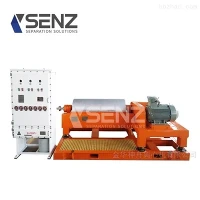

Coal tar decanter centrifuges are essential equipment in various industries, especially those involved in the processing of coal tar and related products. As a leading supplier of coal tar decanter centrifuges, we have encountered a wide range of problems that users may face during the operation of these machines. In this blog post, we will discuss some of the common problems with coal tar decanter centrifuges and provide effective solutions to address them.
1. Vibration and Unbalance
One of the most common issues with coal tar decanter centrifuges is excessive vibration. Vibration can be caused by several factors, including unbalanced rotors, misaligned components, or worn-out bearings. When the centrifuge vibrates excessively, it not only affects the quality of the separation process but also poses a risk to the safety of the equipment and the operators.


Causes
- Unbalanced Rotors: Over time, the build - up of coal tar residues on the rotor can cause an imbalance. This is because the uneven distribution of mass on the rotor creates a centrifugal force that leads to vibration.
- Misaligned Components: If the centrifuge is not installed correctly or if the components are misaligned during maintenance, it can result in vibration. For example, misalignment between the motor and the rotor shaft can cause uneven forces.
- Worn - out Bearings: Bearings support the rotating parts of the centrifuge. When they are worn out, they can no longer provide smooth and stable rotation, leading to vibration.
Solutions
- Regular Cleaning: To prevent unbalanced rotors, it is crucial to clean the centrifuge regularly. This helps to remove the coal tar residues that may accumulate on the rotor and cause imbalance.
- Proper Installation and Alignment: Ensure that the centrifuge is installed correctly and that all components are properly aligned. Use precision alignment tools during installation and maintenance to minimize misalignment.
- Bearing Replacement: Regularly inspect the bearings for wear and tear. Replace worn - out bearings promptly to maintain smooth rotation.
2. Poor Separation Efficiency
Another significant problem with coal tar decanter centrifuges is poor separation efficiency. This can lead to incomplete separation of coal tar from other substances, resulting in lower product quality and increased waste.
Causes
- Incorrect Operating Parameters: The separation efficiency of a centrifuge depends on several operating parameters, such as rotational speed, feed rate, and temperature. If these parameters are not set correctly, the separation process may be ineffective.
- Clogging of Screens or Channels: Over time, coal tar residues can clog the screens or channels in the centrifuge, reducing the flow of the mixture and affecting the separation efficiency.
- Worn - out Rotor Blades: The rotor blades play a crucial role in the separation process. If they are worn out, they may not be able to create the necessary centrifugal force and agitation for efficient separation.
Solutions
- Optimize Operating Parameters: Conduct thorough tests to determine the optimal operating parameters for your specific application. Adjust the rotational speed, feed rate, and temperature accordingly to improve separation efficiency.
- Regular Maintenance to Prevent Clogging: Implement a regular maintenance schedule to clean the screens and channels of the centrifuge. This helps to prevent clogging and ensures smooth flow of the mixture.
- Rotor Blade Replacement: Inspect the rotor blades regularly for wear and replace them when necessary. New rotor blades can significantly improve the separation performance of the centrifuge.
3. Seal Leakage
Seal leakage is a common problem in coal tar decanter centrifuges, which can lead to environmental pollution and loss of product.
Causes
- Worn - out Seals: The seals in the centrifuge are subject to constant pressure and friction. Over time, they can wear out, leading to leakage.
- Improper Seal Installation: If the seals are not installed correctly, they may not provide an effective barrier against leakage.
- Corrosion and Erosion: The corrosive nature of coal tar and its by - products can cause corrosion and erosion of the seals, reducing their effectiveness.
Solutions
- Regular Seal Inspection and Replacement: Inspect the seals regularly for signs of wear, damage, or leakage. Replace the seals at the first sign of trouble to prevent further leakage.
- Proper Seal Installation: Ensure that the seals are installed correctly according to the manufacturer's instructions. Use proper tools and techniques during installation to ensure a tight and effective seal.
- Use of Corrosion - Resistant Seals: Consider using corrosion - resistant seals made of materials that can withstand the corrosive effects of coal tar. This can extend the lifespan of the seals and reduce the risk of leakage.
4. Electrical and Control System Problems
The electrical and control systems of coal tar decanter centrifuges are critical for their proper operation. Problems in these systems can lead to malfunctions and downtime.
Causes
- Electrical Component Failure: Components such as motors, switches, and sensors can fail due to overheating, electrical surges, or normal wear and tear.
- Software Glitches: If the centrifuge is controlled by a software system, glitches or bugs in the software can cause incorrect operation or system crashes.
- Poor Wiring and Connections: Loose or damaged wiring and connections can lead to electrical problems, such as short circuits or intermittent power supply.
Solutions
- Regular Electrical System Maintenance: Inspect the electrical components regularly for signs of damage or wear. Replace any faulty components promptly to prevent further problems.
- Software Updates and Troubleshooting: Keep the control software up - to - date to avoid glitches and bugs. In case of software problems, consult the manufacturer's technical support for troubleshooting.
- Proper Wiring Installation and Inspection: Ensure that the wiring is installed correctly and that all connections are tight and secure. Regularly inspect the wiring for damage or wear.
5. High Energy Consumption
High energy consumption is a major concern for many users of coal tar decanter centrifuges. It not only increases operating costs but also has an environmental impact.
Causes
- Inefficient Motor Design: Some older or low - quality centrifuges may have motors that are not energy - efficient, resulting in higher energy consumption.
- Over - Speeding: Running the centrifuge at a higher speed than necessary can also lead to increased energy consumption.
- Poor Insulation: If the centrifuge is not properly insulated, heat loss can occur, which requires the motor to work harder and consume more energy.
Solutions
- Upgrade to Energy - Efficient Motors: Consider upgrading the centrifuge to an energy - efficient motor. Newer motor designs are often more efficient and can significantly reduce energy consumption.
- Optimize Operating Speed: Determine the optimal operating speed for the centrifuge based on the separation requirements. Avoid over - speeding the centrifuge to save energy.
- Improve Insulation: Insulate the centrifuge properly to reduce heat loss. This can help the motor operate more efficiently and consume less energy.
In addition to these common problems, our coal tar decanter centrifuges can also be used in other applications such as Slaughterhouse Wastewater Treatment, where they can effectively separate solids from the wastewater, and Small Decanter Centrifuge for smaller - scale operations. They are also suitable for use in Oilfield Drilling Equipment to separate drilling fluids and solids.
As a reliable coal tar decanter centrifuge supplier, we are committed to providing high - quality products and excellent after - sales service. If you are experiencing any problems with your coal tar decanter centrifuge or are interested in purchasing a new one, please feel free to contact us for more information and to discuss your specific needs. We look forward to working with you to find the best solutions for your separation requirements.
References
- "Centrifuge Technology Handbook", published by a leading industry press.
- Manufacturer's manuals and technical documents related to coal tar decanter centrifuges.