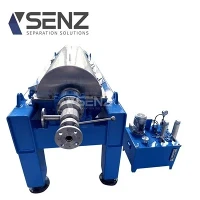

An old yeast separator can often become less efficient over time, leading to decreased productivity and potentially lower - quality yeast separation. As a yeast separator supplier, I understand the importance of upgrading these machines to keep up with the demands of modern production. In this blog post, I'll share some effective ways to upgrade an old yeast separator.
1. Assessing the Current State of the Yeast Separator
Before starting any upgrade project, a thorough assessment of the current yeast separator is essential. This involves checking the mechanical components such as the centrifuge bowl, conveyor, and drive system. Look for signs of wear and tear, corrosion, or any mechanical failures. For electrical components, inspect the control panel, motors, and sensors. Ensure that all safety features are in working condition. A detailed assessment will help identify the specific areas that need improvement and guide the upgrade process.
2. Upgrading the Centrifuge Technology
The centrifuge is the heart of a yeast separator. Older models may use traditional centrifuge technology that is less efficient compared to modern designs. One option is to upgrade to a more advanced centrifuge with a higher G - force. A higher G - force can improve the separation efficiency, allowing for better separation of yeast from the liquid medium.
Another aspect to consider is the centrifuge's bowl design. Modern bowls are often designed with better flow patterns, which reduce the risk of clogging and improve the overall separation performance. Some advanced centrifuge bowls also incorporate self - cleaning mechanisms, which can significantly reduce maintenance time and costs.
3. Improving the Control System
The control system of an old yeast separator may be outdated and lack the precision and flexibility required for modern production. Upgrading the control system can bring several benefits. For example, a new programmable logic controller (PLC) can provide more accurate control over the separation process. It allows for easy adjustment of parameters such as speed, temperature, and flow rate, which can optimize the separation efficiency.
Additionally, integrating a human - machine interface (HMI) can make it easier for operators to monitor and control the yeast separator. The HMI provides a visual representation of the process parameters, allowing operators to quickly identify and address any issues.
4. Enhancing the Sanitation Features
Sanitation is crucial in yeast separation, as any contamination can affect the quality of the yeast. Older yeast separators may have limited sanitation features. Upgrading the machine to include advanced cleaning - in - place (CIP) systems can greatly improve the sanitation process. CIP systems use automated cleaning procedures to clean the internal components of the separator without disassembly, saving time and ensuring thorough cleaning.
Another way to enhance sanitation is by using more hygienic materials in the construction of the separator. For example, stainless steel parts can resist corrosion and bacteria growth better than some older materials.
5. Adding Auxiliary Equipment
Adding auxiliary equipment can also upgrade the functionality of an old yeast separator. For instance, a Sugar Cane Juice Machine can be integrated if the yeast production is related to sugar - based fermentation. This machine can help in preparing the raw material more efficiently.
A Clarifying Decanter Centrifuge can be added to further clarify the separated yeast, removing any remaining impurities. Similarly, an Oil Water Separator can be useful if there are oil - water separation requirements in the overall production process.
6. Training the Operators
Even after upgrading the physical components of the yeast separator, the machine's performance also depends on the operators' skills. Provide comprehensive training to the operators on the new features and functions of the upgraded yeast separator. This includes training on how to operate the new control system, how to perform maintenance tasks, and how to troubleshoot common issues.
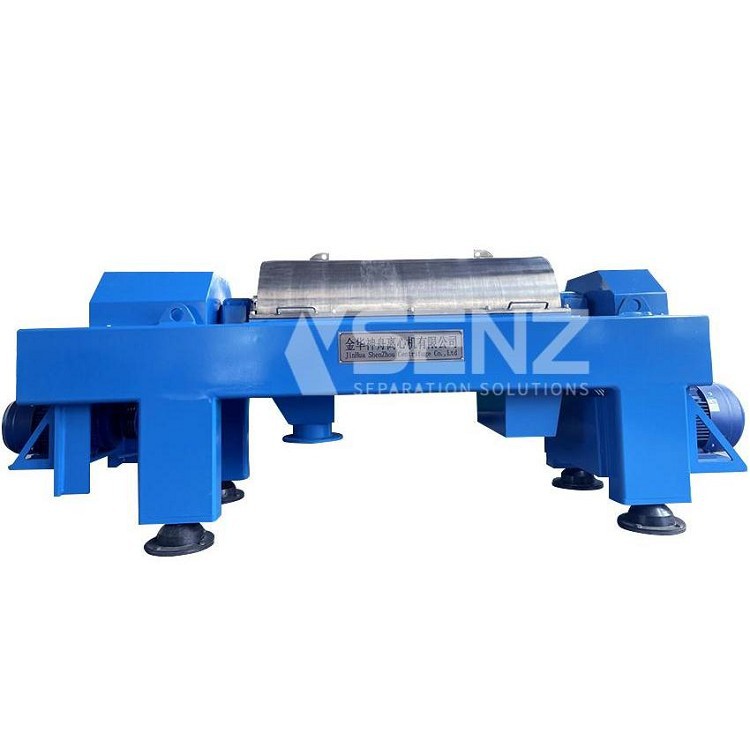

Proper training can ensure that the operators can take full advantage of the upgraded machine, maximizing its efficiency and lifespan.
7. Regular Maintenance and Monitoring
After the upgrade, regular maintenance and monitoring are essential to keep the yeast separator running smoothly. Develop a maintenance schedule that includes tasks such as lubrication, inspection of components, and calibration of sensors. Regularly monitor the machine's performance parameters, such as separation efficiency, power consumption, and temperature. Any deviations from the normal values can indicate potential issues that need to be addressed promptly.
Conclusion
Upgrading an old yeast separator is a multi - faceted process that involves assessing the current state, upgrading centrifuge technology, improving the control system, enhancing sanitation features, adding auxiliary equipment, training operators, and implementing regular maintenance and monitoring. As a yeast separator supplier, I am committed to helping you through every step of this upgrade process.
If you are considering upgrading your old yeast separator or have any questions about our products and services, please feel free to contact me for further discussion and procurement negotiation. I look forward to working with you to improve your yeast separation process and boost your production efficiency.
References
- "Centrifuge Technology Handbook", published by a leading industry press.
- Technical reports from centrifuge and separator manufacturers.
- Industry white papers on yeast separation and production processes.