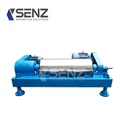

Hey there! As a supplier of 3 - Phase Decanter Centrifuges, I've seen my fair share of vibration problems in these machines. Vibration issues can be a real headache, but don't worry, I'm here to walk you through how to troubleshoot them.
Understanding the Basics
First off, let's talk a bit about what a 3 - Phase Decanter Centrifuge does. It's a pretty nifty piece of equipment that separates different phases of a mixture, like solids, liquids, and sometimes even a third phase. You can find these centrifuges in various industries, from wastewater treatment to Industrial Waste Oil Centrifuge applications and Horizontal Separation Equipment Olive Avocado Oil Extraction Machine setups.
Vibration in a centrifuge can be caused by a whole bunch of things. It could be something as simple as an imbalance or as complex as a mechanical failure. But before we dive into the troubleshooting steps, it's important to understand why vibration is such a big deal. Excessive vibration can lead to premature wear and tear on the machine, reduce its efficiency, and even cause safety hazards. So, it's crucial to address these issues as soon as you notice them.
Step 1: Check for Imbalance
One of the most common causes of vibration in a 3 - Phase Decanter Centrifuge is an imbalance. This can happen when the load inside the centrifuge is not evenly distributed. To check for imbalance, start by shutting down the centrifuge and letting it come to a complete stop. Then, visually inspect the bowl and the conveyor for any signs of uneven material buildup. Sometimes, solids can accumulate on one side of the bowl, causing it to become unbalanced.
If you find any buildup, carefully clean it off. You can use a soft brush or a gentle cleaning solution to remove the debris. Make sure to follow the manufacturer's guidelines when cleaning the centrifuge to avoid damaging any components.


Another way to check for imbalance is to use a vibration analyzer. These tools can measure the amplitude and frequency of the vibration, which can help you determine if there's an imbalance. If the analyzer shows that the vibration is outside the normal range, it's a good indication that there's an issue with the balance.
Step 2: Inspect the Bearings
Bearings are another critical component of a 3 - Phase Decanter Centrifuge. Over time, bearings can wear out, which can cause excessive vibration. To inspect the bearings, you'll need to remove the access panels and visually check for any signs of damage, such as cracks, pitting, or excessive wear.
You can also listen for any unusual noises coming from the bearings. A grinding or squealing sound can be a sign that the bearings are failing. If you suspect that the bearings are bad, it's important to replace them as soon as possible. Using worn - out bearings can not only cause vibration but also lead to more serious mechanical problems down the line.
When replacing the bearings, make sure to use high - quality parts that are compatible with your centrifuge. Follow the manufacturer's instructions carefully to ensure proper installation.
Step 3: Examine the Drive System
The drive system of a 3 - Phase Decanter Centrifuge includes the motor, belts, and gears. Any issues with these components can cause vibration. Start by checking the motor for any signs of overheating or unusual noises. A faulty motor can cause uneven power delivery, which can lead to vibration.
Next, inspect the belts for wear and tension. Loose or worn - out belts can slip, causing the centrifuge to vibrate. If the belts are loose, you can adjust the tension according to the manufacturer's specifications. If they're worn out, replace them with new ones.
The gears also need to be checked for proper alignment and wear. Misaligned gears can cause vibration and damage to the drive system. Use a gear alignment tool to ensure that the gears are properly aligned. If you notice any signs of wear on the gears, such as chipped teeth, it's time to replace them.
Step 4: Look at the Foundation and Mounting
The foundation and mounting of the centrifuge can also contribute to vibration problems. If the centrifuge is not properly mounted on a stable foundation, it can vibrate excessively. Check the bolts and brackets that hold the centrifuge in place to make sure they're tight. Loose bolts can allow the centrifuge to move around, causing vibration.
In addition, make sure that the foundation is level. An uneven foundation can cause the centrifuge to tilt, which can lead to imbalance and vibration. You can use a spirit level to check the levelness of the foundation. If necessary, adjust the leveling feet of the centrifuge to ensure that it's sitting evenly.
Step 5: Check the Feed System
The feed system of the centrifuge is responsible for introducing the mixture into the machine. If the feed is not consistent or if there are blockages in the feed pipes, it can cause vibration. Start by checking the feed pump to make sure it's working properly. A malfunctioning pump can cause uneven flow, which can lead to vibration.
Inspect the feed pipes for any blockages. You can use a pressure gauge to check the pressure in the feed system. If the pressure is too low or fluctuating, it could be a sign of a blockage. Clear any blockages using a suitable cleaning method, such as flushing the pipes with water or a cleaning solution.
Step 6: Monitor the Process Conditions
Sometimes, vibration problems can be caused by changes in the process conditions. For example, if the flow rate of the mixture being fed into the centrifuge is too high or too low, it can cause the machine to vibrate. Monitor the process parameters, such as the flow rate, temperature, and viscosity of the mixture, to make sure they're within the recommended range.
If you notice any significant changes in the process conditions, adjust them accordingly. You may need to consult the centrifuge's operating manual or contact the manufacturer for guidance on how to optimize the process conditions.
When to Seek Professional Help
If you've gone through all these troubleshooting steps and you're still experiencing vibration problems, it's time to seek professional help. A qualified technician can perform more in - depth diagnostics using specialized tools and equipment. They can also provide you with expert advice on how to fix the problem and prevent it from happening in the future.
At our company, we offer comprehensive maintenance and repair services for 3 - Phase Decanter Centrifuges. Our team of experienced technicians has the knowledge and skills to diagnose and fix even the most complex vibration problems. Whether you're using a Sludge Dewatering Unit or an industrial waste oil centrifuge, we've got you covered.
If you're facing vibration issues with your centrifuge or if you're considering purchasing a new one, don't hesitate to get in touch. We're here to help you keep your centrifuge running smoothly and efficiently. Contact us today to discuss your needs and explore how our products and services can benefit your business.
References
- "Centrifuge Operation and Maintenance Handbook"
- Manufacturer's Manuals for 3 - Phase Decanter Centrifuges