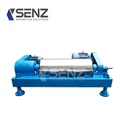

Vibration dampers in a centrifuge play a crucial role in ensuring the smooth and efficient operation of the machine. As a Centrifuge Maintenance supplier, I've seen firsthand how important it is to properly maintain these dampers. In this blog, I'll share some tips on how to maintain the centrifuge's vibration dampers to keep your equipment running at its best.
Understanding the Role of Vibration Dampers
Before we dive into maintenance, let's quickly understand what vibration dampers do. Vibration dampers are designed to absorb and reduce the vibrations generated by the centrifuge during operation. These vibrations can be caused by various factors, such as unbalanced loads, high - speed rotation, or mechanical wear. If left unchecked, excessive vibrations can lead to premature wear and tear of the centrifuge components, reduced equipment lifespan, and even safety hazards.
Regular Inspections
One of the most important steps in maintaining vibration dampers is regular inspections. You should visually inspect the dampers at least once a month. Look for signs of physical damage, such as cracks, tears, or deformation. Any damage to the dampers can significantly reduce their effectiveness in absorbing vibrations.
Check the mounting of the dampers as well. Make sure they are firmly attached to the centrifuge and that the mounting bolts are tightened. Loose dampers won't be able to do their job properly and can cause additional vibrations.
Cleaning
Dirt, debris, and other contaminants can accumulate on the vibration dampers over time. This buildup can affect the performance of the dampers. To clean the dampers, first, turn off the centrifuge and make sure it's completely stopped. Then, use a soft brush or a cloth to gently remove any surface dirt. For more stubborn dirt, you can use a mild cleaning solution, but make sure it's compatible with the material of the dampers.
Avoid using abrasive materials or harsh chemicals, as these can damage the dampers. After cleaning, make sure to dry the dampers thoroughly before restarting the centrifuge.
Lubrication
Depending on the type of vibration dampers, lubrication may be required. Some dampers have moving parts that need proper lubrication to function smoothly. Refer to the manufacturer's manual to determine if your dampers need lubrication and what type of lubricant should be used.


Over - lubrication can be just as bad as under - lubrication, so follow the recommended lubrication intervals and amounts. Too much lubricant can attract dirt and debris, which can lead to clogs and reduced damper performance.
Alignment Checks
Proper alignment of the centrifuge components is essential for the effective operation of the vibration dampers. Misaligned components can cause uneven vibrations that the dampers may not be able to handle. You should perform alignment checks periodically. This involves checking the alignment of the motor, the rotor, and other key components.
If you find any misalignment, it's important to correct it as soon as possible. This may require some technical expertise, so if you're not confident in doing it yourself, it's best to call in a professional.
Testing
Regular testing of the vibration dampers can help you identify any potential issues before they become major problems. You can use vibration monitoring equipment to measure the vibration levels of the centrifuge. Compare the readings to the manufacturer's specifications. If the vibration levels are higher than normal, it could indicate a problem with the dampers or other components of the centrifuge.
Replace Worn - Out Dampers
Even with proper maintenance, vibration dampers will eventually wear out. It's important to know when to replace them. If you notice a significant increase in vibration levels despite your best maintenance efforts, or if the dampers show signs of severe damage, it's time for a replacement.
When replacing the dampers, make sure to use high - quality replacement parts. Using sub - standard parts can lead to poor performance and may even damage other components of the centrifuge.
Related Equipment and Our Services
As a Centrifuge Maintenance supplier, we also offer products related to centrifuge operation. For example, if you're involved in sludge treatment, our Sludge Dewatering Equipment can work in conjunction with your centrifuge. It helps in effectively separating water from sludge, improving the overall efficiency of the treatment process.
Our Screw Conveyor is another useful product. It can be used to transport the processed materials, ensuring a smooth flow in the production line. And for those who need to add flocculants during the treatment process, our Flocculant Auto Dosing System provides accurate and automated dosing, saving time and reducing human error.
Contact Us for Purchase and Consultation
If you're interested in our centrifuge maintenance services or any of the related products I've mentioned, don't hesitate to get in touch with us. We have a team of experts who can provide detailed information and help you make the right decisions for your business. Whether you need advice on maintaining your centrifuge's vibration dampers or are looking to purchase new equipment, we're here to assist you.
References
- Manufacturer's manuals of centrifuge and related equipment
- Industry best practices for centrifuge maintenance
- Technical papers on vibration dampening in industrial equipment