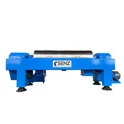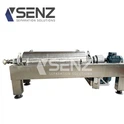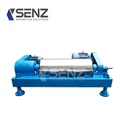

Alright, folks! As a supplier of coal tar decanter centrifuges, I'm super stoked to share with you all the ins and outs of how to install one correctly. It might seem like a daunting task, but with the right steps, you'll have it up and running in no time.
Pre - installation Checks
Before you even start unpacking that shiny new centrifuge, there are a few things you gotta check. First off, make sure you've got a suitable location. The area should be flat and level. You don't want your centrifuge wobbling around during operation, as that can lead to all sorts of problems, like uneven wear and tear or even damage to the machine.
Also, check the power supply. Our coal tar decanter centrifuges require a specific voltage and amperage. You don't want to fry the motor by plugging it into the wrong power source. It's always a good idea to have an electrician double - check the electrical setup if you're not 100% sure.
Another important thing is to look at the ventilation. Coal tar processing can produce some pretty noxious fumes, and proper ventilation is crucial for the safety of your workers and the longevity of the centrifuge. Make sure there's good air circulation in the area where you plan to install it.
Unpacking and Inspection
Once you've got the perfect spot picked out, it's time to unpack the centrifuge. Be careful when you're doing this, as some parts can be delicate. As you unpack, do a thorough inspection of all the components. Look for any signs of damage during shipping, like dents, scratches, or loose parts. If you find anything amiss, contact us right away, and we'll sort it out.
We've included a detailed parts list in the manual, so go through it and make sure you've got everything you need. This includes the centrifuge itself, all the necessary bolts and nuts, the control panel, and any additional accessories that come with the package.
Assembly
Now, let's get down to the actual assembly. Start by placing the base of the centrifuge on the prepared surface. Use a level to make sure it's perfectly horizontal. Once the base is in place, you can start attaching the main body of the centrifuge. This usually involves bolting it to the base. Make sure the bolts are tightened properly, but don't over - tighten them, as that can damage the threads.
Next, you'll need to connect the feed and discharge pipes. These are crucial for the flow of coal tar through the centrifuge. Make sure the pipes are properly aligned and sealed. You can use gaskets or seals to prevent any leaks. It's also a good idea to label the pipes to avoid any confusion later on.
The control panel is another important part. Connect it to the centrifuge according to the wiring diagram in the manual. This is where you'll be able to adjust the settings and monitor the operation of the centrifuge. If you're not confident in your wiring skills, again, it's best to call in a professional.
Alignment and Calibration
After the assembly is complete, it's time to make sure everything is properly aligned. Check the alignment of the rotor inside the centrifuge. A misaligned rotor can cause excessive vibration and reduce the efficiency of the machine. Use the alignment tools provided in the kit to make any necessary adjustments.


Calibration is also a key step. You need to set the correct speed, temperature, and other parameters according to the type of coal tar you'll be processing. The calibration process might seem a bit technical, but our manual has detailed instructions on how to do it. If you run into any problems, our support team is just a call away.
Testing
Once you've completed the alignment and calibration, it's time to test the centrifuge. Start with a dry run, which means running the centrifuge without any coal tar. This will help you check if all the components are working properly and if there are any strange noises or vibrations.
If the dry run goes smoothly, you can start introducing a small amount of coal tar into the system. Monitor the operation closely. Check the separation efficiency, the flow rate, and the temperature of the centrifuge. If everything looks good, you can gradually increase the feed rate.
Maintenance Tips
To keep your coal tar decanter centrifuge running smoothly for a long time, regular maintenance is a must. Clean the centrifuge after each use to prevent the buildup of coal tar residue. Check the seals and gaskets regularly for any signs of wear and replace them if necessary.
Also, make sure to lubricate the moving parts as recommended in the manual. This will reduce friction and prevent premature wear. And don't forget to check the electrical connections periodically to ensure there are no loose wires or short circuits.
Related Applications
Our coal tar decanter centrifuges are not just limited to coal tar processing. They can also be used in other applications. For example, if you're dealing with Slaughterhouse Wastewater Treatment, our centrifuge can help separate the solids from the wastewater effectively.
Another interesting application is Black Diesel Oil Centrifuge. It can be used to purify black diesel oil by removing impurities and water.
And if you need to separate sludge from various liquids, our Centrifuge Sludge Separator is a great option.
Conclusion
Installing a coal tar decanter centrifuge correctly is not as difficult as it might seem. By following these steps, doing the necessary checks, and performing regular maintenance, you can ensure that your centrifuge will serve you well for years to come.
If you're in the market for a high - quality coal tar decanter centrifuge or have any questions about installation, operation, or maintenance, don't hesitate to reach out. We're here to help you make the most of your investment.
References
- Manufacturer's Manual for Coal Tar Decanter Centrifuge
- Industry Best Practices for Centrifuge Installation and Maintenance