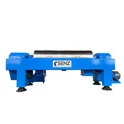
When it comes to the food processing industry, a Gluten Wheat Flour Separator is an essential piece of equipment. As a supplier of Gluten Wheat Flour Separators, I often get asked about the power consumption of these machines. In this blog post, I'll delve into the factors that influence the power consumption of a Gluten Wheat Flour Separator and provide a comprehensive analysis.
Understanding the Gluten Wheat Flour Separator
Before we discuss power consumption, let's briefly understand what a Gluten Wheat Flour Separator does. This machine is designed to separate gluten from wheat flour. It uses centrifugal force to separate the heavier gluten particles from the lighter flour particles. The process involves several stages, including mixing, kneading, and separation.
Factors Affecting Power Consumption
Machine Size and Capacity
The size and capacity of the Gluten Wheat Flour Separator play a significant role in determining its power consumption. Larger machines with higher capacities typically require more power to operate. This is because they need to handle a larger volume of wheat flour and gluten, which requires more energy to drive the motors and other components.
Motor Efficiency
The efficiency of the motor used in the Gluten Wheat Flour Separator is another crucial factor. A more efficient motor will consume less power while delivering the same level of performance. When choosing a Gluten Wheat Flour Separator, it's important to consider the motor's efficiency rating. High - efficiency motors may have a higher upfront cost, but they can result in significant energy savings over the long term.
Operating Speed
The operating speed of the separator also affects power consumption. Running the machine at a higher speed requires more power. However, a higher speed may also result in a more efficient separation process. Operators need to find the right balance between speed and power consumption based on their specific production requirements.
Process Complexity
The complexity of the separation process can impact power consumption. Some Gluten Wheat Flour Separators have additional features such as advanced control systems, multiple separation stages, or integrated cleaning mechanisms. These additional features may increase the power requirements of the machine.
Calculating Power Consumption
To calculate the power consumption of a Gluten Wheat Flour Separator, we need to consider the power rating of the motor and the operating time. The power rating is usually given in kilowatts (kW). The formula for calculating energy consumption is:
Energy consumption (kWh) = Power rating (kW) × Operating time (h)
For example, if a Gluten Wheat Flour Separator has a power rating of 5 kW and operates for 8 hours a day, the daily energy consumption would be 5 kW × 8 h = 40 kWh.
Comparing with Other Separation Equipment
It's interesting to compare the power consumption of a Gluten Wheat Flour Separator with other types of separation equipment. For instance, a Sulfur Foam Separation Centrifuge is used in the chemical industry for separating sulfur foam. The power consumption of this centrifuge depends on its size, design, and the nature of the sulfur foam being processed. Similarly, a Yeast Separator used in the brewing and baking industries has its own power requirements based on factors like capacity and operating speed. And a Centrifugal Dewaterer used for dewatering various materials also has different power consumption characteristics.
Strategies to Reduce Power Consumption
As a supplier, we are always looking for ways to help our customers reduce the power consumption of their Gluten Wheat Flour Separators. Here are some strategies:
Regular Maintenance
Regular maintenance of the separator is essential. This includes cleaning the machine, lubricating moving parts, and checking the alignment of components. A well - maintained machine operates more efficiently and consumes less power.
Optimal Operating Conditions
Operators should ensure that the Gluten Wheat Flour Separator is operating under optimal conditions. This means setting the correct operating speed, temperature, and pressure. By fine - tuning these parameters, the machine can achieve the best separation results with the least amount of power.


Energy - Efficient Components
Using energy - efficient components such as high - efficiency motors and variable frequency drives can significantly reduce power consumption. These components adjust the power input based on the actual demand, resulting in energy savings.
Conclusion
The power consumption of a Gluten Wheat Flour Separator is influenced by several factors, including machine size, motor efficiency, operating speed, and process complexity. By understanding these factors and implementing strategies to reduce power consumption, operators can save on energy costs and improve the overall efficiency of their production processes.
If you are in the market for a Gluten Wheat Flour Separator or want to learn more about how to optimize the power consumption of your existing equipment, we are here to help. Our team of experts can provide you with detailed information and guidance to meet your specific needs. Contact us to start a discussion about your requirements and explore how our Gluten Wheat Flour Separators can benefit your business.
References
- "Food Processing Machinery: Principles and Applications" by Peter Fellows
- "Centrifugal Separation Technology" by Paul A. Schweitzer