
Choosing the right yeast separator is crucial for various industries, especially those in the food, beverage, and pharmaceutical sectors. As a yeast separator supplier, I've seen firsthand how the wrong choice can lead to inefficiencies, increased costs, and lower product quality. In this blog post, I'll share some tips on how to select the perfect yeast separator for your specific needs.
Understanding Your Requirements
Before you start shopping for a yeast separator, it's essential to have a clear understanding of your requirements. This includes the type of yeast you'll be separating, the volume of yeast you need to process, and the desired level of separation efficiency.
- Yeast Type: Different types of yeast have different characteristics, such as size, density, and shape. These factors can affect the performance of the separator. For example, some yeasts may be more fragile and require a gentler separation process to avoid damage.
- Processing Volume: The volume of yeast you need to process will determine the size and capacity of the separator you require. If you have a high-volume production line, you'll need a separator that can handle large quantities of yeast quickly and efficiently.
- Separation Efficiency: The level of separation efficiency you need will depend on your specific application. In some cases, a high level of separation may be required to ensure the purity of the final product. In other cases, a lower level of separation may be acceptable, depending on the cost and quality requirements.
Types of Yeast Separators
There are several types of yeast separators available on the market, each with its own advantages and disadvantages. The most common types include:
- Centrifugal Separators: Centrifugal separators use centrifugal force to separate the yeast from the liquid. They are highly efficient and can handle large volumes of yeast. There are different kinds of centrifugal separators like the Waste Oil Processing Centrifuge, which can also be adapted for certain yeast - separation processes in some industrial settings, and the Scroll Discharge Decanter Centrifuge that offers continuous separation capabilities.
- Filtration Separators: Filtration separators use a filter medium to separate the yeast from the liquid. They are relatively simple and inexpensive, but they may not be suitable for high - volume applications.
- Sedimentation Separators: Sedimentation separators rely on gravity to separate the yeast from the liquid. They are slow and less efficient than centrifugal or filtration separators, but they are often used for small - scale or batch processes.
Key Features to Consider
When choosing a yeast separator, there are several key features you should consider:
- Separation Efficiency: This is one of the most important factors to consider. Look for a separator that can achieve a high level of separation, removing as much of the unwanted liquid and impurities from the yeast as possible.
- Capacity: Make sure the separator has the capacity to handle your required processing volume. Consider both the maximum capacity and the continuous operating capacity.
- Ease of Cleaning: Yeast separators need to be cleaned regularly to prevent contamination and ensure optimal performance. Look for a separator that is easy to disassemble, clean, and reassemble.
- Durability: The separator should be made of high - quality materials that can withstand the rigors of continuous operation. It should also be resistant to corrosion and wear.
- Automation and Control: Automation features can improve efficiency and reduce the risk of human error. Look for a separator that offers automated controls for functions such as speed, temperature, and flow rate.
Cost Considerations
Cost is always an important factor when making a purchasing decision. However, it's important to consider the total cost of ownership rather than just the initial purchase price. The total cost of ownership includes factors such as:
- Purchase Price: This is the upfront cost of the separator. Compare prices from different suppliers to get the best deal.
- Operating Costs: These include costs such as energy consumption, maintenance, and replacement parts. Look for a separator that is energy - efficient and has low maintenance requirements.
- Downtime Costs: If the separator breaks down or requires frequent maintenance, it can lead to costly downtime. Choose a reliable separator that has a low risk of breakdowns.
Supplier Reputation and Support
The reputation and support of the supplier are also important considerations. A reputable supplier will offer high - quality products, reliable customer support, and a good warranty. Here are some things to look for in a supplier:
- Experience: Choose a supplier with extensive experience in the yeast separator industry. They will have the knowledge and expertise to help you choose the right separator for your needs.
- Customer Reviews: Read customer reviews and testimonials to get an idea of the supplier's reputation. Look for a supplier with positive reviews and a high customer satisfaction rate.
- Technical Support: Make sure the supplier offers technical support and training. This will ensure that you can operate and maintain the separator properly.
- Warranty: A good warranty is a sign of a quality product. Look for a supplier that offers a comprehensive warranty on their yeast separators.
Case Studies
Let's take a look at a couple of case studies to see how the right yeast separator can make a difference:
Case Study 1: A Brewery
A medium - sized brewery was experiencing problems with the quality of their beer due to inconsistent yeast separation. They were using an outdated separator that was not able to remove enough of the unwanted impurities from the yeast. After consulting with us, we recommended a Scroll Discharge Decanter Centrifuge. This separator offered high - efficiency separation and continuous operation. After installing the new separator, the brewery saw a significant improvement in the quality of their beer, as well as an increase in production efficiency.
Case Study 2: A Food Processing Company
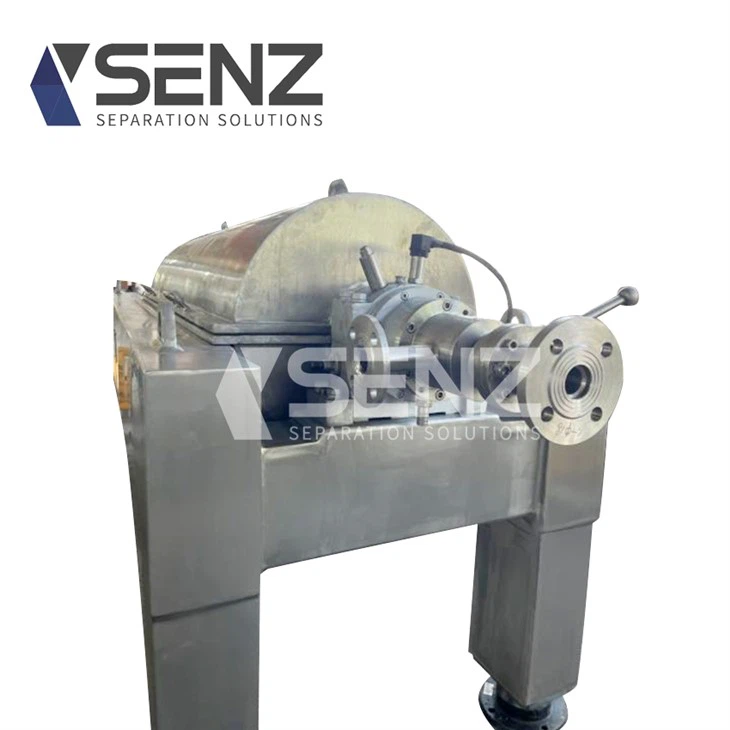

A food processing company was looking to improve the efficiency of their yeast separation process for their bread production. They were using a filtration separator that was slow and required frequent filter changes. We recommended a centrifugal separator, which was able to handle a higher volume of yeast and achieve a higher level of separation. The new separator reduced their production time and increased the quality of their bread, leading to higher customer satisfaction.
Conclusion
Choosing the right yeast separator is a critical decision that can have a significant impact on your business. By understanding your requirements, considering the different types of separators, evaluating key features, factoring in costs, and choosing a reputable supplier, you can select a separator that will meet your needs and help you achieve your production goals.
If you're in the market for a yeast separator, don't hesitate to reach out. We're here to help you find the perfect solution for your specific application. Whether you have questions about our products, need a quote, or want to discuss your requirements in more detail, we're just a message away. Let's start a conversation and see how we can improve your yeast separation process.
References
- "Yeast Technology: Production and Applications" by John P. Morrissey
- "Industrial Separation Processes: Fundamentals, Technology, and Applications" by J. R. Fair and J. M. Bravo