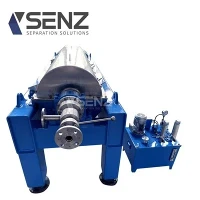

Hey there! As a supplier of Fish Oil Decanter Centrifuges, I know how important it is to keep these machines running smoothly and for as long as possible. A well - maintained centrifuge not only saves you money in the long run but also ensures consistent quality in your fish oil production. So, let's dive into some practical tips on how to extend the service life of a fish oil decanter centrifuge.
Regular Cleaning
First up, regular cleaning is a must. The centrifuge deals with fish oil, which can leave behind residues that might clog the machine over time. You should clean the centrifuge after each batch of production. Start by flushing the machine with warm water to remove the bulk of the oil and debris. Then, use a mild detergent specifically designed for centrifuge cleaning. Make sure to follow the manufacturer's instructions when using any cleaning agents.
Pay special attention to the separation chamber. This is where the actual separation of oil and other components takes place. Any build - up here can affect the efficiency of the centrifuge and even cause damage. Use a soft brush to gently scrub the chamber walls to remove stubborn residues.
Lubrication
Proper lubrication is another key factor. The moving parts of the centrifuge, such as the bearings and gears, need to be well - lubricated to reduce friction. Check the lubricant levels regularly and top them up as needed. Use the lubricant recommended by the manufacturer. Different centrifuges may require different types of lubricants, so it's crucial to get this right.
Over - lubrication can be just as bad as under - lubrication. Too much lubricant can attract dirt and debris, leading to blockages and increased wear. So, follow the guidelines on how much lubricant to use and how often to apply it.
Inspection and Maintenance
Regular inspections are vital. Set up a maintenance schedule and stick to it. Inspect the centrifuge for any signs of wear and tear, such as loose bolts, cracked parts, or unusual noises. If you notice any issues, address them immediately.
For example, if you hear a strange rattling sound, it could be a sign that a part is loose or damaged. Don't ignore it! Tighten any loose bolts or replace the damaged parts as soon as possible. This can prevent further damage to the centrifuge and extend its service life.
You can also consider having a professional technician perform a more in - depth inspection at least once a year. They have the expertise and tools to detect potential problems that you might miss.
Operating Conditions
The operating conditions of the centrifuge play a big role in its lifespan. Make sure the centrifuge is installed in a clean, dry, and well - ventilated area. Excessive heat, humidity, or dust can all have a negative impact on the machine.
Keep the centrifuge away from sources of vibration. Vibration can cause parts to loosen and wear out faster. If possible, use vibration - isolating pads to reduce the impact of external vibrations.


Also, follow the recommended operating parameters. Don't overload the centrifuge or run it at speeds higher than the specified limit. This can put unnecessary stress on the machine and lead to premature failure.
Training for Operators
Proper training for operators is essential. Make sure your operators know how to use the centrifuge correctly. They should be familiar with the operating procedures, safety guidelines, and basic maintenance tasks.
A well - trained operator can prevent many common mistakes that can damage the centrifuge. For example, they know how to start and stop the machine properly, how to load the samples correctly, and how to monitor the machine during operation.
You can provide training sessions for your operators or refer them to the manufacturer's training materials. This investment in training can pay off in the long run by reducing the risk of damage to the centrifuge.
Upgrades and Replacements
As technology advances, it might be a good idea to consider upgrading your centrifuge. Newer models often come with improved features and better performance. Upgrading can not only improve the efficiency of your fish oil production but also extend the overall lifespan of your equipment.
If a part of the centrifuge is beyond repair, don't hesitate to replace it. Using a damaged part can cause further damage to other components of the machine. Make sure to use genuine replacement parts from the manufacturer to ensure compatibility and quality.
Related Products
If you're interested in other types of centrifuges, we also offer Fish Meal Dewatering Centrifuge, Palm Oil Clarifier Decanter Centrifuge, and Waste Oil Centrifuge Biodiesel Equipment. These centrifuges are designed for specific applications and can be a great addition to your production line.
Conclusion
Extending the service life of a fish oil decanter centrifuge requires a combination of regular cleaning, proper lubrication, inspections, and correct operating conditions. By following these tips, you can ensure that your centrifuge runs smoothly for a long time, saving you money and improving the quality of your fish oil production.
If you're interested in purchasing a fish oil decanter centrifuge or have any questions about maintenance and operation, feel free to reach out. We're here to help you make the most of your equipment.
References
- Manufacturer's manual for fish oil decanter centrifuge
- Industry best practices for centrifuge maintenance