
Hey there! As a supplier of Mining Decanter Centrifuges, I've seen firsthand how various factors can impact the performance of these machines. One factor that often doesn't get enough attention is the presence of air bubbles in the feed. In this blog, I'll dig into how these air bubbles can affect the performance of a mining decanter centrifuge and what you can do about it.

Understanding the Basics of a Mining Decanter Centrifuge
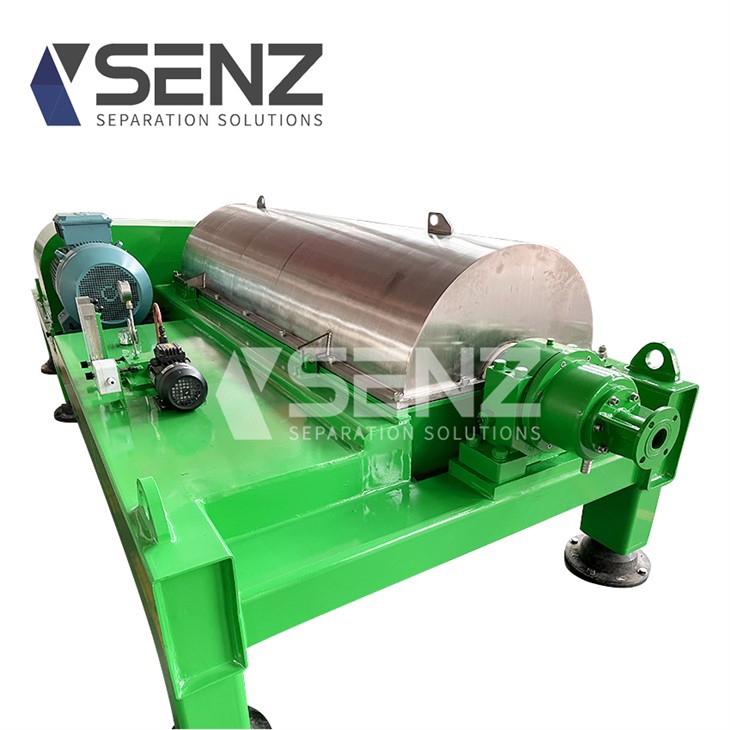
Before we jump into the impact of air bubbles, let's quickly go over how a mining decanter centrifuge works. A decanter centrifuge is a piece of equipment used to separate solids from liquids in a slurry. It uses centrifugal force to spin the slurry at high speeds, causing the heavier solids to settle to the outer wall of the centrifuge bowl while the lighter liquid phase moves towards the center. The separated solids are then removed by a screw conveyor, and the clarified liquid is discharged through an outlet.
These centrifuges are crucial in the mining industry for tasks like Solids Control Centrifuge, Centrifugal Thickening Of Sludge, and Tailings Dewatering Decanter Centrifuge. They help in reducing waste, recovering valuable minerals, and managing the environmental impact of mining operations.
How Air Bubbles Get into the Feed
Air bubbles can find their way into the feed in several ways. One common cause is improper piping or valve installation. If there are leaks in the piping system, air can be sucked in along with the slurry. Another cause can be the agitation of the slurry in the feed tank. Excessive stirring can introduce air into the liquid, creating bubbles. Also, if the feed pump is not properly primed, it can draw in air, which then enters the centrifuge with the feed.
The Impact of Air Bubbles on Centrifuge Performance
1. Reduced Separation Efficiency
The primary function of a mining decanter centrifuge is to separate solids from liquids efficiently. Air bubbles in the feed can disrupt this process. When air bubbles are present, they can attach to the solid particles. This makes the effective density of the particle - bubble combination lower than that of the solid particle alone. As a result, these particle - bubble combinations may not settle as quickly or as effectively in the centrifuge bowl. This leads to a higher concentration of solids in the clarified liquid discharge, reducing the overall separation efficiency of the centrifuge.
2. Unstable Operation
Air bubbles can also cause the centrifuge to operate in an unstable manner. The presence of air in the feed can create uneven distribution of mass within the centrifuge bowl. As the centrifuge spins, this uneven mass distribution can lead to vibrations. These vibrations can be mild at first but can become severe over time. Severe vibrations can damage the centrifuge components, such as the bearings and the drive system. This not only affects the performance of the centrifuge but also increases the maintenance costs and downtime.
3. Wear and Tear on Components
The air bubbles can act as abrasives in the centrifuge. As the slurry with air bubbles passes through the centrifuge, the bubbles can cause additional wear on the internal components. For example, the screw conveyor that is responsible for removing the settled solids can experience accelerated wear. The air bubbles can also cause cavitation in the feed pump, which is a phenomenon where vapor bubbles form and collapse in the liquid, causing damage to the pump impeller and casing.
4. Reduced Throughput
The presence of air bubbles in the feed can reduce the effective volume of the slurry that the centrifuge can process. Since the air takes up space in the feed, the actual amount of solids and liquids that can be separated in a given time is reduced. This means that the centrifuge has to run for longer periods to achieve the same amount of separation, leading to a lower throughput and potentially affecting the overall productivity of the mining operation.
Detecting and Removing Air Bubbles
Detection
Detecting air bubbles in the feed can be done in a few ways. One simple method is to visually inspect the feed line. If you see a frothy or bubbly appearance in the slurry, it's a clear sign of air entrainment. Another way is to monitor the centrifuge's performance. If you notice a sudden drop in separation efficiency, increased vibrations, or abnormal wear on components, it could be due to air bubbles in the feed.
Removal
To remove air bubbles from the feed, you can use a degassing unit. A degassing unit works by creating a low - pressure environment where the air bubbles rise to the surface and are removed. You can also ensure proper piping installation to prevent air leaks. Make sure all valves are properly sealed and the feed pump is correctly primed before operation. Additionally, reducing the agitation in the feed tank can help minimize the introduction of air into the slurry.
Conclusion
The presence of air bubbles in the feed can have a significant impact on the performance of a mining decanter centrifuge. It can reduce separation efficiency, cause unstable operation, increase wear and tear on components, and lower throughput. As a supplier of these centrifuges, I know how important it is to address this issue promptly. By detecting and removing air bubbles, you can ensure that your centrifuge operates at its best, improving the overall efficiency and productivity of your mining operation.
If you're facing issues with air bubbles in your centrifuge feed or are looking to upgrade your existing centrifuge, we're here to help. Contact us to discuss your specific needs and find the best solution for your mining operation. We can provide you with high - quality mining decanter centrifuges and offer expert advice on their operation and maintenance.
References
- "Centrifugal Separation Technology" by Perry's Chemical Engineers' Handbook
- "Mining Industry Handbook: Solids - Liquid Separation" by industry research reports.