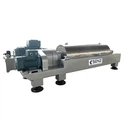

Handling a decantador properly is crucial to avoid breakage and ensure its long - term functionality. As a decantador supplier, I've witnessed firsthand the importance of correct handling techniques. In this blog, I'll share some valuable insights on how to handle a decantador to prevent damage.
Understanding the Decantador
Before we delve into handling techniques, it's essential to understand what a decantador is and how it works. A decantador, also known as a decanter centrifuge, is a device used in various industries for separating different phases of a liquid mixture, such as solid - liquid or liquid - liquid separation. It operates based on the principle of centrifugal force, which causes the denser components to move towards the outer edge of the centrifuge bowl while the lighter components remain closer to the center.
There are different types of decantador available, each designed for specific applications. For instance, the Fruit Pulp Decanter Centrifuge is specifically engineered for separating fruit pulp from juice in the food and beverage industry. The Wastewater Centrifuge is used in wastewater treatment plants to separate solids from wastewater, and the Used Cooking Oil Separator helps in separating impurities from used cooking oil.
Pre - installation Handling
The first step in preventing breakage starts even before the decantador is installed. When receiving the decantador, it's important to inspect the packaging carefully for any signs of damage during transit. If the packaging appears to be damaged, document the condition and notify the shipping carrier immediately.
During the unloading process, use appropriate lifting equipment. A decantador can be heavy, and improper lifting can lead to dropping or tilting, which may cause internal or external damage. Ensure that the lifting points are correctly identified on the decantador and that the lifting equipment is rated to handle the weight of the unit.
Installation
Proper installation is a key factor in avoiding breakage. Choose a suitable location for the decantador. The area should be level, well - ventilated, and free from excessive vibrations. A non - level surface can cause uneven stress on the decantador, leading to premature wear and potential breakage.
Follow the manufacturer's installation instructions precisely. This includes connecting all the necessary pipes, electrical connections, and control systems. Incorrect installation of the piping can cause pressure imbalances, which may damage the decantador. For example, if the inlet and outlet pipes are not properly aligned, it can lead to excessive stress on the seals and joints, increasing the risk of leaks and breakage.
Routine Maintenance
Regular maintenance is essential for the smooth operation and longevity of the decantador. One of the most important maintenance tasks is cleaning. Over time, solids and other contaminants can accumulate inside the decantador, which can affect its performance and potentially cause damage. Follow the recommended cleaning procedures, which may include disassembling certain parts for a thorough clean.
Inspect the decantador regularly for signs of wear and tear. Check the belts, bearings, and seals for any signs of damage or excessive wear. Replace any worn - out parts immediately to prevent further damage. For example, a worn - out belt can cause the decantador to operate inefficiently and may eventually lead to a breakdown.
Operational Handling
When operating the decantador, it's important to follow the correct start - up and shut - down procedures. Start the decantador slowly and gradually increase the speed to the recommended operating level. Abrupt starts can cause excessive stress on the components, increasing the risk of breakage.
Monitor the operating parameters closely. Keep an eye on the temperature, pressure, and speed of the decantador. Any significant deviations from the normal operating range can indicate a problem. For example, an over - temperature condition may be a sign of a clogged cooling system or a malfunctioning bearing. If you notice any abnormal readings, stop the decantador immediately and investigate the cause.
Training for Operators
Proper training for operators is crucial. Operators should be trained on the correct handling, maintenance, and troubleshooting procedures for the decantador. A well - trained operator is more likely to identify and address potential problems before they lead to breakage. Provide regular training updates to keep operators informed about the latest best practices and safety procedures.
Storage
If the decantador needs to be stored for an extended period, take proper precautions to prevent damage. Clean the decantador thoroughly before storage to prevent the growth of mold and corrosion. Store the decantador in a dry, protected area. If possible, cover the decantador to protect it from dust and debris.
Emergency Response
Despite taking all the necessary precautions, emergencies can still occur. Have an emergency response plan in place. In case of a sudden breakdown or a potential breakage situation, operators should know what steps to take. This may include shutting down the decantador safely, isolating the power source, and contacting the maintenance team or the supplier for assistance.
Conclusion
Handling a decantador to avoid breakage requires a combination of proper pre - installation handling, correct installation, routine maintenance, careful operational handling, operator training, appropriate storage, and an effective emergency response plan. By following these guidelines, you can significantly reduce the risk of breakage and ensure the long - term performance of the decantador.
If you're in the market for a high - quality decantador or need more information on how to handle and maintain your existing unit, we're here to help. Our team of experts can provide you with the right advice and support. Don't hesitate to reach out to us for procurement and further discussions.


References
- Manufacturer's manuals for decantador models.
- Industry standards and best practices for decanter centrifuge operation and maintenance.