
In the dynamic landscape of industrial operations, the printing industry stands as a significant contributor to global commerce. While it plays a crucial role in disseminating information and creating visual art, it also generates a substantial amount of waste, particularly in the form of oily wastewater. This has led to an increasing interest in the use of oil water separators in the printing industry. As a leading supplier of oil water separators, I am well - positioned to explore this topic in depth and shed light on whether these devices can indeed be effectively utilized in the printing sector.
The Printing Industry's Wastewater Challenge
The printing process involves a variety of chemicals, inks, and solvents. These substances are used to transfer images onto various substrates, such as paper, cardboard, and plastic. During printing operations, a significant amount of wastewater is generated, which often contains oil, grease, and other contaminants. This oily wastewater is not only a disposal challenge but also a potential environmental hazard if not properly treated.
Inks, for example, are a major source of contamination in printing wastewater. They can contain pigments, binders, solvents, and additives, many of which are oil - based. When these inks are washed off printing equipment or spills occur, they end up in the wastewater stream. Additionally, the use of lubricants and hydraulic oils in printing machinery can also contribute to the oil content in the wastewater.


How Oil Water Separators Work
Oil water separators are designed to separate oil and water based on the difference in their densities. There are several types of oil water separators, including gravity separators, coalescing separators, and centrifugal separators.
Gravity separators rely on the natural tendency of oil to float on water. The wastewater is allowed to flow slowly through a chamber, where the oil rises to the surface and can be skimmed off. This is a simple and cost - effective method, but it may not be suitable for removing very fine oil droplets or emulsified oil.
Coalescing separators use a media that causes small oil droplets to combine or coalesce into larger droplets. These larger droplets then rise to the surface more easily and can be separated from the water. Coalescing separators are more efficient than gravity separators and can remove a wider range of oil particles.
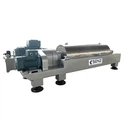
Centrifugal separators, on the other hand, use centrifugal force to separate oil and water. The wastewater is spun at high speed, causing the heavier water to move to the outer edge of the separator while the lighter oil is forced towards the center. Centrifugal separators are very effective at separating oil from water, especially for emulsified oil. For those interested in related centrifugal technologies, you can explore our Protein Centrifuge, Fish Meal Dewatering Centrifuge, and Solids Control Centrifuge.
Benefits of Using Oil Water Separators in the Printing Industry
- Environmental Compliance: One of the primary benefits of using an oil water separator in the printing industry is environmental compliance. Many countries and regions have strict regulations regarding the disposal of oily wastewater. By using an oil water separator, printing companies can ensure that their wastewater meets the required environmental standards before being discharged.
- Cost Savings: Treating and disposing of oily wastewater can be expensive. Oil water separators can significantly reduce the volume of oily waste that needs to be disposed of, which in turn can lead to cost savings in waste disposal fees. Additionally, by reusing the treated water in the printing process, companies can also save on water costs.
- Equipment Protection: Oily wastewater can cause damage to plumbing systems and other equipment in the printing facility. By removing the oil from the wastewater, oil water separators can help prevent corrosion and clogging, thereby extending the lifespan of the equipment and reducing maintenance costs.
- Improved Product Quality: In some cases, the presence of oil in the printing process can affect the quality of the printed products. By using an oil water separator to remove oil from the wastewater, the risk of oil contamination in the printing process can be reduced, leading to improved product quality.
Challenges and Considerations
While oil water separators offer many benefits, there are also some challenges and considerations that printing companies need to take into account when using these devices.
- Type of Oil and Contaminants: The effectiveness of an oil water separator depends on the type of oil and contaminants present in the wastewater. Some oils, such as emulsified oils, are more difficult to separate than others. Printing companies need to choose an oil water separator that is suitable for the specific type of oil and contaminants in their wastewater.
- Maintenance Requirements: Oil water separators require regular maintenance to ensure optimal performance. This includes cleaning the separator, replacing filters, and checking the operation of the equipment. Printing companies need to factor in the cost and time required for maintenance when considering the use of an oil water separator.
- Initial Investment: The purchase and installation of an oil water separator can be a significant initial investment. However, when considering the long - term cost savings in waste disposal and equipment maintenance, as well as the environmental and regulatory benefits, the investment can be justified.
Case Studies
To illustrate the effectiveness of oil water separators in the printing industry, let's look at a few case studies.
A medium - sized printing company was facing challenges with the disposal of its oily wastewater. The company had a high volume of wastewater containing oil from inks and lubricants. After installing a coalescing oil water separator, the company was able to reduce the oil content in its wastewater to below the regulatory limit. This not only allowed the company to comply with environmental regulations but also saved them a significant amount of money in waste disposal fees.
Another large - scale printing facility was experiencing problems with equipment corrosion due to the presence of oil in the wastewater. By implementing a centrifugal oil water separator, the company was able to remove the oil from the wastewater effectively. This led to a reduction in equipment maintenance and replacement costs, as well as an improvement in the overall efficiency of the printing process.
Conclusion
In conclusion, oil water separators can indeed be used effectively in the printing industry. They offer a practical solution to the challenges of oily wastewater management, providing environmental, cost, and operational benefits. While there are some challenges and considerations, the advantages of using an oil water separator far outweigh the drawbacks.
As a supplier of high - quality oil water separators, we are committed to providing the best solutions for the printing industry. Our products are designed to be efficient, reliable, and easy to maintain. If you are a printing company looking to improve your wastewater management and achieve environmental compliance, we invite you to contact us for a consultation. We can help you choose the right oil water separator for your specific needs and provide you with the support and service you need to ensure its successful operation.
References
- "Industrial Wastewater Treatment Handbook", by Perry's Chemical Engineers' Handbook.
- "Environmental Regulations for the Printing Industry", various government environmental agencies.