
Can an Oil Water Separator be Used in the Textile Industry?
As a supplier of oil water separators, I'm often asked whether our products can be effectively utilized in the textile industry. This question holds significant importance, as the textile industry is one of the major industrial sectors globally, with unique water management challenges. In this blog, I will discuss the potential of oil water separators in the textile industry based on scientific and practical perspectives.
The Textile Industry's Water Management Challenges
The textile industry is a water - intensive industry. It involves a series of processes such as dyeing, printing, sizing, and finishing, all of which consume large amounts of water. Moreover, these processes often introduce various contaminants into the water, including oils, greases, dyes, and chemicals.


The presence of oil in textile wastewater mainly comes from lubricants used in spinning and weaving machinery, as well as the textile auxiliaries containing oil components. If not properly treated, the oil - contaminated water can cause several problems. Firstly, it can lead to environmental pollution when discharged into water bodies. Oils can form a film on the water surface, preventing oxygen from dissolving into the water, which is harmful to aquatic life. Secondly, it can affect the quality of the textile products. Residual oil on the fabric may cause uneven dyeing, staining, and a decrease in the fabric's overall quality.
How Oil Water Separators Work
Oil water separators are designed to separate oil and water based on the difference in their densities. There are several types of oil water separators, including gravity - based separators, coalescing separators, and centrifugal separators.
Gravity - based separators rely on the natural tendency of oil to float on water due to its lower density. The wastewater is allowed to flow slowly through a chamber, and over time, the oil rises to the surface and can be skimmed off. This type of separator is relatively simple and cost - effective but may not be suitable for separating fine oil droplets.
Coalescing separators use special media to promote the coalescence of small oil droplets into larger ones. As the wastewater passes through the media, the oil droplets stick together, becoming large enough to float to the surface. Coalescing separators can achieve a higher level of oil separation compared to gravity - based separators.
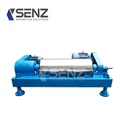
Centrifugal separators, on the other hand, use centrifugal force to separate oil and water. The wastewater is spun at high speed, and the heavier water is forced to the outer edge, while the lighter oil moves towards the center. Centrifugal separators are very efficient and can handle high - volume wastewater streams. For more information on centrifuges with other functions, you can visit our pages on Sand & Gravel Washing Water Treatment, Manure Decanter, and Oil Field Centrifuge.
Advantages of Using Oil Water Separators in the Textile Industry
- Environmental Compliance
One of the most significant advantages is that oil water separators can help textile factories meet environmental regulations. By removing oil from the wastewater before discharge, the impact on the environment is greatly reduced. This not only helps to protect the local water bodies but also avoids potential fines and legal issues associated with non - compliant wastewater discharge. - Improved Product Quality
Removing oil from the water used in the production process can enhance the quality of textile products. As mentioned earlier, oil residues on the fabric can lead to defects in dyeing and finishing. By ensuring that the water used is free of oil, the textile products are more likely to have a consistent color, smooth texture, and better overall appearance. - Cost Savings
Recycling water after oil separation can lead to significant cost savings in the long run. Textile factories can reduce their water consumption by treating and reusing the water in the production process. Additionally, proper oil separation can extend the lifespan of the production equipment. Oils in the water can cause corrosion and damage to the machinery, and by removing the oil, the maintenance and replacement costs of the equipment can be reduced.
Considerations for Implementing Oil Water Separators in the Textile Industry
- Wastewater Characteristics
The characteristics of textile wastewater can vary widely depending on the type of textile being produced, the dyes and chemicals used, and the production processes. For example, synthetic fiber production may generate different types of oil - containing wastewater compared to natural fiber production. Therefore, it is crucial to analyze the specific wastewater characteristics before selecting an oil water separator. - Separator Capacity
Textile factories typically have large - volume wastewater streams. The capacity of the oil water separator must be able to handle the peak flow rates of the wastewater. Under - sizing the separator can lead to inefficient separation and may not meet the treatment requirements. - Maintenance Requirements
All oil water separators require regular maintenance to ensure optimal performance. This includes cleaning the separator, replacing the media in coalescing separators, and checking the moving parts in centrifugal separators. Textile factories need to establish a proper maintenance schedule and allocate resources for maintenance activities.
Case Studies of Oil Water Separator Application in the Textile Industry
Several textile factories have successfully implemented oil water separators in their wastewater treatment systems. For instance, a medium - sized textile mill producing cotton fabrics installed a coalescing oil water separator. Before the installation, the mill was facing problems with oil - stained fabrics and was at risk of non - compliance with environmental regulations. After the implementation, the oil content in the wastewater was significantly reduced, and the quality of the fabrics improved. The mill also reported cost savings from reduced water consumption and equipment maintenance.
Conclusion
In conclusion, oil water separators can indeed be used effectively in the textile industry. They offer a practical solution to the oil - related water management challenges faced by textile factories. By selecting the appropriate type of oil water separator based on the wastewater characteristics and factory requirements, textile factories can achieve environmental compliance, improve product quality, and realize cost savings.
If you are in the textile industry and are interested in learning more about how our oil water separators can benefit your operations, or if you would like to discuss a potential purchase, please feel free to reach out to us. We are more than happy to have in - depth discussions regarding your specific needs and provide you with customized solutions.
References
- Smith, J. (2020). Industrial Wastewater Treatment. Elsevier.
- Jones, A. (2019). Textile Manufacturing Processes and Their Environmental Impacts. Routledge.