
Can an oil water separator be used for industrial wastewater treatment?
Industrial wastewater treatment is a critical aspect of modern manufacturing and industrial operations. The presence of oil and other contaminants in wastewater not only poses environmental risks but also violates regulatory standards in many regions. As a leading supplier of oil water separators, I am often asked whether these devices can effectively be used for industrial wastewater treatment. In this blog, I will delve into the capabilities of oil water separators in handling industrial wastewater, exploring their working principles, advantages, limitations, and real - world applications.
How Oil Water Separators Work
Oil water separators operate on the principle of gravity separation, taking advantage of the difference in density between oil and water. When industrial wastewater enters the separator, the heavier water settles to the bottom, while the lighter oil floats to the top. There are different types of oil water separators, including gravity separators, coalescing separators, and centrifugal separators.
Gravity separators are the most basic type. They rely solely on the natural buoyancy of oil to separate it from water. These are relatively simple and cost - effective, but they are less efficient for separating fine oil droplets. Coalescing separators, on the other hand, use special media to cause small oil droplets to combine into larger ones, which then float to the surface more easily. This type of separator can achieve a higher level of separation efficiency.
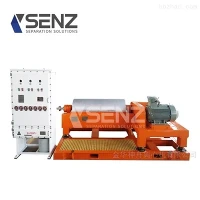
Centrifugal separators, such as the Decanter Centrifuge Separator, use centrifugal force to separate oil and water. The high - speed rotation of the centrifuge creates a strong force that pushes the heavier water to the outer wall of the centrifuge while the lighter oil moves towards the center. This method is very effective for separating emulsified oil and water mixtures, which are common in industrial wastewater.
Advantages of Using Oil Water Separators for Industrial Wastewater Treatment
Environmental Benefits
One of the most significant advantages of using oil water separators is their positive impact on the environment. By removing oil from industrial wastewater before it is discharged, we can prevent oil pollution in water bodies. Oil can harm aquatic life, disrupt ecosystems, and contaminate drinking water sources. Oil water separators help industries meet environmental regulations and reduce their ecological footprint.
Cost - Savings
Implementing an oil water separator can lead to substantial cost - savings for industries. Firstly, it reduces the cost of wastewater disposal. Many wastewater treatment facilities charge based on the level of contaminants in the water. By pre - treating the wastewater with an oil water separator, industries can reduce the amount of oil and other pollutants, thus lowering the disposal fees. Secondly, the recovered oil can often be reused or sold, providing an additional source of revenue. For example, in the case of Waste Oil Processing Centrifuge, it can effectively separate and recover waste oil from industrial wastewater, which can then be recycled.
Compliance with Regulations
In most countries and regions, there are strict regulations regarding the discharge of industrial wastewater. These regulations set limits on the amount of oil and other contaminants that can be present in the wastewater. Using an oil water separator helps industries comply with these regulations, avoiding potential fines and legal issues.
Limitations of Oil Water Separators
While oil water separators offer many benefits, they also have some limitations.
Limited Effectiveness for Emulsified Oils
Some industrial wastewater contains emulsified oils, where the oil droplets are so small that they are evenly dispersed in the water. These emulsions are stable and difficult to separate using traditional oil water separators. Specialized treatment methods, such as chemical demulsification, may be required in addition to the separator to break the emulsion and achieve effective separation.
Maintenance Requirements
Oil water separators require regular maintenance to ensure optimal performance. This includes cleaning the separator, replacing the filter media (in the case of coalescing separators), and checking the mechanical components (for centrifugal separators). Failure to perform proper maintenance can lead to reduced separation efficiency and even equipment breakdown.
Sensitivity to Inflow Conditions
The performance of oil water separators can be affected by the inflow conditions of the wastewater, such as flow rate, temperature, and the concentration of oil and other contaminants. If the inflow conditions exceed the design capacity of the separator, the separation efficiency may decrease.
Real - World Applications of Oil Water Separators in Industrial Wastewater Treatment
Automotive Industry
In the automotive industry, oil water separators are widely used to treat wastewater generated from vehicle washing, engine cleaning, and metalworking processes. These processes often produce wastewater contaminated with oil, grease, and metal particles. Oil water separators can effectively remove the oil from the wastewater, allowing the water to be reused or safely discharged.
Food and Beverage Industry
The food and beverage industry also generates significant amounts of wastewater, which may contain oil from cooking processes, as well as fats and proteins. Oil water separators can help remove the oil from the wastewater, reducing the load on the subsequent wastewater treatment systems and preventing the formation of grease blockages in the sewer system.
Petrochemical Industry
In the petrochemical industry, oil water separators are essential for treating wastewater from oil refining, chemical production, and petroleum storage facilities. These facilities generate large volumes of wastewater containing high concentrations of oil and other toxic substances. Centrifugal separators, like the Sunflower Seed Oil Decanter Centrifuge (which is also applicable in separating oil - water mixtures), are often used to achieve high - efficiency separation of oil and water in these complex industrial settings.


Conclusion
In conclusion, oil water separators can indeed be used for industrial wastewater treatment, and they offer numerous advantages in terms of environmental protection, cost - savings, and regulatory compliance. However, it is important to understand their limitations and choose the right type of separator based on the specific characteristics of the industrial wastewater. As a supplier of oil water separators, we have a wide range of products to meet the diverse needs of different industries. Whether you are dealing with simple oil - water mixtures or more complex emulsified wastewater, we can provide you with the most suitable solution.
If you are interested in learning more about our oil water separators or would like to discuss your industrial wastewater treatment needs, please feel free to contact us. Our team of experts is ready to assist you in finding the best solution for your business.
References
- "Industrial Wastewater Treatment Handbook" by Perry's Chemical Engineers' Handbook
- "Principles of Oil - Water Separation" in Journal of Environmental Engineering