
Hey there! As a supplier of Gluten Wheat Flour Separators, I often get asked a bunch of questions about what our machines can and can't do. One question that pops up quite a bit is, "Can a Gluten Wheat Flour Separator separate gluten from sprouted wheat flour?" Well, let's dig into this topic and find out.
First off, let's understand what sprouted wheat flour is. Sprouted wheat is basically wheat grains that have been allowed to germinate, or sprout. During this sprouting process, a bunch of biochemical changes happen. Enzymes in the wheat are activated, which break down starches into simpler sugars and proteins into amino acids. This makes the nutrients in the wheat more accessible and easier to digest. Sprouted wheat flour is made by grinding these sprouted grains. It's often considered healthier than regular wheat flour because of its increased nutrient availability and potentially lower glycemic index.
Now, let's talk about gluten. Gluten is a mixture of proteins found in wheat, barley, and rye. In wheat, it's made up of two main proteins: gliadin and glutenin. When water is added to wheat flour and the dough is kneaded, these proteins form a sticky, elastic network. This network gives bread its structure and helps it rise. Gluten is what makes dough stretchy and chewy, and it plays a crucial role in the baking process.
So, can our Gluten Wheat Flour Separator separate gluten from sprouted wheat flour? The short answer is yes, but there are some factors to consider.
Our separators work on the principle of physical separation. They use a combination of mechanical and centrifugal forces to separate the gluten from the other components of the flour. When the sprouted wheat flour is fed into the separator, it goes through a series of processes. First, the flour is mixed with water to form a dough-like consistency. Then, the separator starts to work its magic. It agitates the mixture, causing the gluten to clump together. The centrifugal force then separates the gluten clumps from the rest of the flour and water mixture.
However, the sprouting process can affect the gluten in a few ways. Since sprouting activates enzymes that break down proteins, the gluten in sprouted wheat flour might be slightly different in structure and composition compared to regular wheat flour. Some of the gluten proteins might be partially broken down into smaller peptides. This could potentially make the gluten separation process a bit more challenging. But our Gluten Wheat Flour Separators are designed to handle these variations. They have adjustable settings that can be fine-tuned to optimize the separation process based on the characteristics of the sprouted wheat flour.
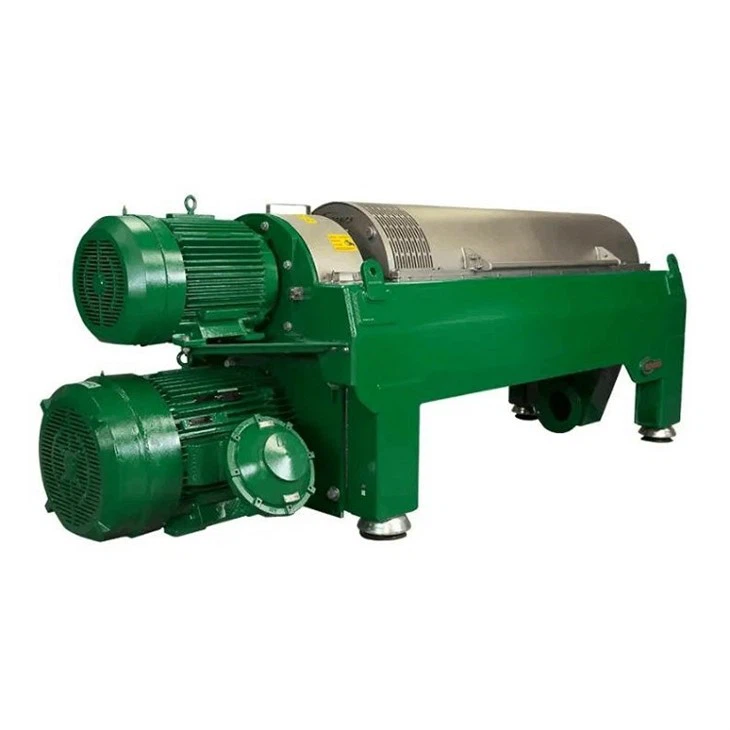

One of the key advantages of using our separator for sprouted wheat flour is that it can help in producing high-quality gluten. The separated gluten can be used in various food applications. For example, it can be added back to other flours to improve their baking properties. It can also be used in the production of gluten-based meat substitutes, which are becoming increasingly popular among vegetarians and vegans.
Now, let's talk about some of the related products we offer. We also have a Soymilk Decanter Centrifuge. This centrifuge is great for separating the solids from soymilk during the production process. It ensures a smooth and consistent soymilk product. If you're in the soymilk business, this centrifuge can be a real game-changer.
Another product is our Small Decanter Centrifuge. This is perfect for small-scale operations or for testing purposes. It has all the features of our larger centrifuges but in a more compact size. It's easy to operate and maintain, making it a great choice for startups or small food processing companies.
We also offer a Solids Control Centrifuge. This centrifuge is used in various industries to separate solids from liquids. In the food industry, it can be used for processes like separating oil from fried foods or clarifying fruit juices.
When it comes to separating gluten from sprouted wheat flour, our Gluten Wheat Flour Separators are up to the task. They are reliable, efficient, and can be customized to meet your specific needs. Whether you're a large-scale flour mill or a small artisanal bakery, our separators can help you produce high-quality gluten and flour products.
If you're interested in learning more about our Gluten Wheat Flour Separators or any of our other products, don't hesitate to reach out. We're always happy to have a chat and discuss how our equipment can fit into your production process. Whether you have questions about the technical specifications, pricing, or installation, we've got you covered. Let's start a conversation and see how we can work together to take your food processing business to the next level.
References
- "Sprouted Grains: Health Benefits and How to Add Them to Your Diet." Healthline.
- "Gluten: What It Is and How It Affects Your Health." Medical News Today.
- "Principles of Centrifugation in Food Processing." Food Science and Technology textbooks.