
Are there any maintenance requirements for a complete set of equipment?
As a supplier of complete sets of equipment, I often encounter customers who are concerned about the maintenance requirements of the equipment they purchase. It's a valid concern, as proper maintenance not only ensures the longevity of the equipment but also its optimal performance. In this blog, I'll delve into the various maintenance aspects of a complete set of equipment and provide some insights to help you keep your investment in top - notch condition.
General Maintenance Considerations
First and foremost, it's essential to understand that different types of equipment within a complete set will have their own unique maintenance needs. However, there are some general principles that apply across the board.
Regular cleaning is one of the most fundamental maintenance tasks. Dust, debris, and other contaminants can accumulate on the equipment over time, which can lead to overheating, increased wear and tear, and even malfunctions. For example, in a manufacturing plant, conveyor belts can collect dirt and small particles. If not cleaned regularly, these particles can get into the moving parts, causing friction and potentially damaging the belts and the associated drive systems.
Lubrication is another critical aspect. Many of the mechanical components in a complete set of equipment rely on proper lubrication to reduce friction and prevent excessive wear. Bearings, gears, and shafts are common parts that require regular lubrication. Using the right type of lubricant and applying it at the recommended intervals is crucial. Incorrect lubrication can lead to premature failure of these components, resulting in costly repairs and downtime.
Inspection is also key. Regular visual inspections can help detect early signs of wear, damage, or potential problems. This includes checking for loose bolts, leaks, abnormal vibrations, and unusual noises. For instance, a small oil leak in a hydraulic system might seem insignificant at first, but if left unattended, it can lead to a loss of hydraulic pressure and ultimately, system failure.
Maintenance Requirements for Specific Equipment
Let's take a closer look at some of the common equipment in a complete set and their specific maintenance requirements.
Centrifuge Feed Pump
The Centrifuge Feed Pump is an important part of many industrial processes. It is responsible for delivering the feed material to the centrifuge at the right pressure and flow rate.
One of the primary maintenance tasks for a centrifuge feed pump is to check the seals regularly. The seals prevent leakage of the pumped fluid, and over time, they can wear out or become damaged. A leaking seal not only leads to a loss of fluid but can also contaminate the surrounding environment. Additionally, the impeller of the pump should be inspected for signs of wear. Erosion and corrosion can occur on the impeller blades, which can affect the pump's performance. Regular cleaning of the pump to remove any debris or deposits is also necessary to maintain its efficiency.
Screw Conveyor
The Screw Conveyor is used to transport bulk materials in many industries. Its maintenance requirements focus on the screw shaft and the housing.
The screw shaft should be checked for straightness and any signs of bending or damage. A bent screw shaft can cause uneven material flow and excessive wear on the housing. The housing should be inspected for abrasion, as the continuous movement of the bulk material can wear down the inner surface of the housing. Lubrication of the bearings that support the screw shaft is also important to ensure smooth operation. Additionally, it's necessary to clean the screw conveyor regularly to prevent the buildup of material, which can lead to blockages and reduced efficiency.
Centrifuge
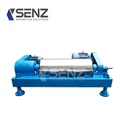
Centrifuges are complex pieces of equipment used for separating substances based on their density. Centrifuge Maintenance involves several critical steps.
The centrifuge bowl needs to be carefully inspected for any signs of cracks or damage. Cracks can compromise the structural integrity of the bowl and pose a safety hazard. The drive system, including the motor and belts, should be checked for proper tension and alignment. A misaligned drive system can cause excessive vibration and premature wear of the components. The centrifuge's control system also requires regular calibration to ensure accurate operation. Additionally, cleaning the centrifuge after each use is essential to remove any residual material and prevent corrosion.
Developing a Maintenance Schedule
To ensure that all the equipment in a complete set is properly maintained, it's advisable to develop a comprehensive maintenance schedule. This schedule should take into account the manufacturer's recommendations, the operating conditions of the equipment, and the frequency of use.
For example, equipment that operates continuously will generally require more frequent maintenance than equipment that is used intermittently. The maintenance schedule should include tasks such as daily, weekly, monthly, quarterly, and annual inspections and maintenance activities.


It's also important to keep detailed records of all maintenance activities. This includes the date of maintenance, the tasks performed, any parts replaced, and the results of inspections. These records can be valuable for tracking the equipment's performance over time, predicting future maintenance needs, and ensuring compliance with safety and regulatory requirements.
Training and Expertise
Proper maintenance of a complete set of equipment often requires a certain level of training and expertise. It's recommended that operators and maintenance personnel receive training on the specific equipment they are working with. This training should cover the basic operation, maintenance procedures, safety precautions, and troubleshooting techniques.
In some cases, it might be beneficial to hire external experts or consultants for more complex maintenance tasks or for conducting in - depth inspections. These experts can provide valuable insights and recommendations based on their experience and knowledge of the industry.
The Cost - Benefit of Maintenance
Some customers might be hesitant to invest in regular maintenance due to the perceived cost. However, it's important to understand that the cost of maintenance is often far less than the cost of major repairs or equipment replacement.
Regular maintenance can prevent unexpected breakdowns, which can lead to costly downtime in production. For example, if a centrifuge fails in the middle of a critical production process, it can result in lost production, wasted materials, and potential delays in meeting customer orders. By investing in preventive maintenance, you can reduce the risk of these costly events and ensure the smooth operation of your business.
Contact for Purchase and Consultation
If you are interested in purchasing a complete set of equipment or have any questions about maintenance requirements, we are here to help. Our team of experts can provide you with detailed information about the equipment, its maintenance needs, and offer customized solutions based on your specific requirements. Whether you are setting up a new production line or looking to upgrade your existing equipment, we can assist you every step of the way.
References
- Industrial Equipment Maintenance Handbook, Third Edition. McGraw - Hill Professional.
- Maintenance Management: A Comprehensive Guide. Wiley.
- Handbook of Centrifugal Pump Design and Application. CRC Press.