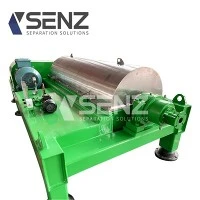
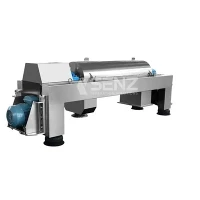
Hey there! As a supplier of used cooking oil separators, I've gotten a ton of questions about how these machines hold up over time, especially when it comes to separation efficiency. So, I thought I'd dive into this topic and share some insights.
Let's start by understanding what separation efficiency means in the context of a used cooking oil separator. Essentially, it's all about how well the separator can separate the different components in used cooking oil. Used cooking oil is a mix of things like free fatty acids, water, solid particles, and of course, the oil itself. The better the separator can pull out the impurities and leave behind clean, usable oil, the higher its separation efficiency.
Now, when a used cooking oil separator is brand - new, it's usually operating at peak performance. The internal components are clean, and the machine is calibrated to work at its best. The separation efficiency at this stage is typically very high. For example, it can remove a large percentage of solid particles and water from the used oil. But as time goes on, several factors come into play that can affect this efficiency.
One of the main things that can impact the separator's performance is wear and tear. The moving parts in the separator, like the centrifuge bowl or the filter elements, start to show signs of use. The centrifuge bowl, which spins at high speeds to separate the oil from other components, can develop small scratches or dents over time. These imperfections can disrupt the smooth flow of the oil and reduce the efficiency of the separation process. Similarly, filter elements can get clogged with solid particles. As more and more particles accumulate on the filter, it becomes harder for the oil to pass through, and the separation process slows down.
Another factor is the quality of the used cooking oil being processed. If the oil has a high concentration of solid particles or water right from the start, it puts more strain on the separator. The separator has to work harder to separate the components, and this can lead to faster wear and tear. Over time, the increased workload can cause a decline in the separation efficiency.
Let's talk about how we can measure the separation efficiency of a used cooking oil separator over time. One common way is to analyze the quality of the separated oil at different intervals. We can look at things like the water content, the level of free fatty acids, and the amount of solid particles remaining in the oil. By comparing these values over time, we can get a clear picture of how the separator's efficiency is changing.
For instance, if we start with an oil that has a water content of 5% and the separator initially reduces it to 0.5%, that's a great result. But if after a few months of continuous use, the water content in the separated oil starts to increase to 1% or 1.5%, it's a sign that the separation efficiency is dropping.
So, what can we do to maintain or improve the separation efficiency of a used cooking oil separator over time? Regular maintenance is key. This includes cleaning the internal components, replacing worn - out parts, and calibrating the machine. For example, cleaning the centrifuge bowl and the filter elements on a regular basis can prevent the buildup of particles and keep the separator running smoothly.
We also offer a range of products that can complement the used cooking oil separator and enhance its performance. For example, our Waste Oil Centrifuge Biodiesel Equipment can be used in conjunction with the separator to further refine the separated oil. It can help in removing even more impurities and increasing the overall quality of the final product.
Our Oilfield Drilling Equipment has some technologies that can also be applied in the used cooking oil separation process. Although it's primarily designed for oilfield applications, some of the separation principles can be adapted to improve the efficiency of our separators.
And if you're looking for a different type of centrifuge, our Fruit Pulp Decanter Centrifuge uses similar separation techniques. While it's for fruit pulp separation, the knowledge and engineering behind it can give us some insights into improving the performance of our used cooking oil separators.


In conclusion, the separation efficiency of a used cooking oil separator does change over time. It starts high when the machine is new but can decline due to wear and tear and the quality of the input oil. However, with proper maintenance and the right complementary products, we can keep the efficiency at an acceptable level.
If you're in the market for a used cooking oil separator or want to learn more about how to improve the separation efficiency of your existing equipment, we're here to help. Feel free to reach out and start a conversation about your specific needs. We can work together to find the best solutions for your business.
References:
- Industry reports on used cooking oil separation technology
- Internal research and development data from our product testing