
What is the maintenance cost of a Yeast Separator over its lifespan?
As a reputable supplier of yeast separators, I understand that potential buyers are often concerned about the long - term maintenance costs associated with this equipment. A yeast separator is a crucial piece of machinery in many industries, especially in the food and beverage and biotechnology sectors. It is used to separate yeast cells from a fermentation broth, ensuring high - quality product output. The lifespan of a well - maintained yeast separator can be quite long, often ranging from 10 to 20 years. However, over this extended period, maintenance costs can accumulate, and understanding these costs is essential for budget planning and long - term financial stability.
Initial Installation and Commissioning Costs
The maintenance odyssey of a yeast separator begins with its installation and commissioning. These are not strictly "maintenance" in the traditional sense, but they set the stage for the equipment's long - term performance and can impact future maintenance requirements. Installation costs cover the transportation of the separator to your facility, the physical setup, and connection to the existing production line. This may involve hiring specialized technicians, which can be a significant upfront expense.
Commissioning is equally crucial. It involves testing the equipment to ensure it operates at optimal efficiency. Any adjustments or fine - tuning during this phase can help prevent future problems. While these initial costs are not recurrent maintenance expenses, a proper installation and commissioning can reduce the likelihood of early breakdowns and higher maintenance bills down the line.
Regular Maintenance Costs
There are several types of regular maintenance that contribute to the overall cost of a yeast separator over its lifespan.

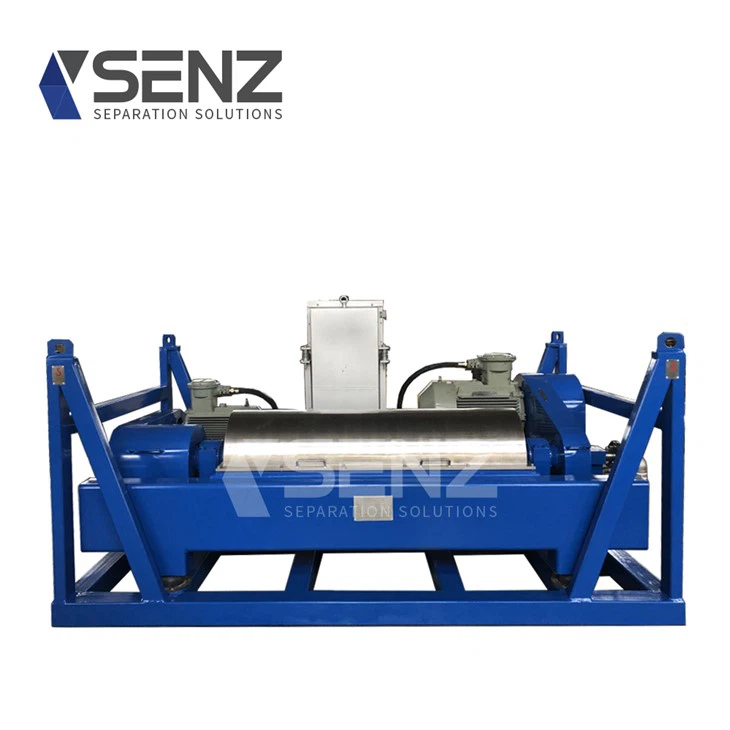
- Routine Inspections: Regular inspections are essential to catch any early signs of wear and tear. A typical yeast separator should undergo a comprehensive inspection at least once a quarter. These inspections involve checking the mechanical components such as bearings, belts, and seals. The cost of these inspections includes the labor of a qualified technician, which can vary depending on the region and the technician's level of expertise.
- Filter Replacements: Yeast separators use filters to separate the yeast from the liquid medium. These filters can get clogged over time, resulting in reduced efficiency and potential damage to the equipment. Filter replacements are a regular part of maintenance. The cost of filters depends on their type, size, and quality. For high - quality filters, the cost can range from a few hundred to several thousand dollars, depending on the model of the yeast separator.
- Lubrication: Moving parts in a yeast separator need to be lubricated regularly to reduce friction and prevent premature wear. The cost of lubricants is relatively low, but the labor involved in applying them adds to the overall maintenance cost. Lubrication should be done according to the manufacturer's recommendations, which is usually every few months to a year, depending on the usage intensity.
Component Replacement Costs
Over the lifespan of a yeast separator, some components may need to be replaced entirely.
- Bearings: Bearings are essential for the smooth rotation of the separator's components. They are subject to high levels of stress and wear. Depending on the quality and size of the bearings, replacement can cost anywhere from a few hundred to a couple of thousand dollars. Generally, bearings may need to be replaced every 3 - 5 years.
- Motors: The motor is the power source of the yeast separator. A malfunctioning motor can lead to a complete breakdown of the equipment. Motor replacement can be a significant expense, often ranging from a few thousand to tens of thousands of dollars, depending on the power and type of the motor. Motors may have a lifespan of around 5 - 10 years with proper maintenance.
Unplanned Repairs
Despite regular maintenance, unplanned repairs can occur. These can be caused by unforeseen events such as power surges, sudden jams, or operator error. The cost of unplanned repairs can be highly variable. Minor repairs, such as fixing a loose connection or replacing a small part, may cost a few hundred dollars. However, major repairs, like fixing a damaged rotor or a cracked housing, can run into tens of thousands of dollars. Unplanned repairs can also lead to downtime, which can result in lost production and revenue, adding to the overall cost.
Training and Operator Costs
Properly trained operators play a crucial role in reducing maintenance costs. Training courses for yeast separator operators can cost anywhere from a few hundred to a few thousand dollars per person. Well - trained operators are less likely to make mistakes that can damage the equipment, and they are better at identifying early signs of problems. Additionally, having a dedicated operator on - site may also require a salary and benefits, which are part of the overall cost associated with the yeast separator over its lifespan.
Impact of Usage Intensity
The maintenance cost of a yeast separator is also affected by its usage intensity. A separator that operates continuously at full capacity will generally require more frequent maintenance and component replacements compared to one that is used less frequently. Higher usage can lead to faster wear and tear of parts, increasing the frequency of routine inspections, filter replacements, and other maintenance tasks.
For example, in a large - scale industrial brewery where the yeast separator runs 24/7, the cost of maintenance over a 10 - year lifespan can be significantly higher than in a small - scale craft brewery that only uses the separator a few hours a day.
Comparing with Similar Equipment
When considering the maintenance cost of a yeast separator, it is also useful to compare it with similar equipment in the market. For instance, the Centrifugal Dewaterer, which is used for similar separation tasks in some industries, may have different maintenance requirements. Some centrifugal dewaterers may require more frequent lubrication or filter changes, while others may have more robust components that require less frequent replacement.
Similarly, the Centrifugal Thickening Of Sludge equipment is another option for separation processes. Comparing its maintenance costs with a yeast separator can help potential buyers make more informed decisions. The Petrole Oil Sludge Dewatering Machine also has similarities in terms of mechanical components and separation principles, and its maintenance cost structure can provide additional insights.
Calculating the Total Maintenance Cost
To calculate the total maintenance cost of a yeast separator over its lifespan, you need to consider all the factors mentioned above. First, estimate the initial installation and commissioning costs. Then, calculate the annual cost of routine maintenance, including inspections, filter replacements, and lubrication. Next, estimate the cost and frequency of component replacements over the lifespan of the equipment. Add the cost of unplanned repairs, which can be estimated based on historical data or industry averages. Finally, include the cost of operator training and operator salaries.
If you sum up all these costs over the expected lifespan of the yeast separator, you will get a more accurate picture of the total maintenance cost. This information can be used to compare different models and suppliers, and to make a more informed purchasing decision.
Conclusion
In conclusion, the maintenance cost of a yeast separator over its lifespan is a complex calculation that involves multiple factors. From the initial installation and commissioning to regular maintenance, component replacements, unplanned repairs, and operator - related costs, every aspect plays a role. However, by understanding these costs and planning accordingly, businesses can ensure that they are making a cost - effective investment in a yeast separator.
As a supplier, we are committed to providing high - quality yeast separators and offering comprehensive support and advice on maintenance. If you are considering purchasing a yeast separator or need more information about its maintenance costs, we encourage you to contact us for a detailed consultation and to discuss your specific requirements. Our team of experts will be happy to guide you through the process and help you make the best decision for your business.
References
- Industry reports on food and beverage equipment maintenance costs
- Manufacturer's manuals for yeast separators
- Technical papers on centrifugal separation equipment performance and maintenance