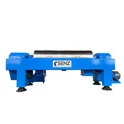

As a supplier of Used Cooking Oil Separators, I often get asked about the inspection frequency for these essential pieces of equipment. In this blog post, I'll delve into the factors that influence inspection frequency and provide some general guidelines to help you keep your separator in top - notch condition.
Understanding the Used Cooking Oil Separator
Before discussing inspection frequency, it's important to understand what a Used Cooking Oil Separator does. A Used Cooking Oil Separator is designed to separate used cooking oil from water, food particles, and other contaminants. This separation is crucial for various reasons. Firstly, it helps in recycling the used cooking oil, which can be further processed into biodiesel or other useful products. Secondly, it prevents the clogging of drainage systems by removing solid particles from the oil - water mixture.
Factors Affecting Inspection Frequency
1. Usage Intensity
The more frequently a Used Cooking Oil Separator is used, the more often it should be inspected. In a high - volume commercial kitchen, where large amounts of cooking oil are used and discarded daily, the separator will be under constant stress. The separator has to handle a large influx of used oil, water, and food debris, which can lead to faster wear and tear. For example, a busy restaurant that operates 7 days a week, serving hundreds of customers each day, will need to inspect its separator more frequently than a small diner that only opens on weekends.
2. Quality of Input
The quality of the used cooking oil that goes into the separator also plays a significant role. If the oil contains a high amount of solid particles, such as large pieces of food or excessive grease, it can cause blockages in the separator. In some cases, the solid particles can damage the internal components of the separator, such as the filters and separation chambers. For instance, a deep - frying establishment that fries battered foods will likely have used oil with more solid debris compared to a place that mainly uses oil for sautéing.
3. Environmental Conditions
The environment in which the separator is located can affect its performance and durability. If the separator is placed in a hot and humid area, it may be more prone to corrosion. High humidity can cause metal parts to rust, which can weaken the structure of the separator and reduce its efficiency. On the other hand, if the separator is exposed to extreme cold, the oil may thicken, making it more difficult for the separator to function properly.
General Inspection Frequency Guidelines
Daily Checks
For high - volume commercial kitchens, daily checks are highly recommended. These checks should be relatively quick and focus on the most obvious signs of problems. The operator should visually inspect the separator for any leaks, unusual noises, or visible blockages. They should also check the level of the used oil in the separator. If the oil level is too high, it may indicate a problem with the separation process or a blockage in the outlet.
Weekly Inspections
A more thorough inspection should be carried out on a weekly basis. This includes checking the internal components of the separator, such as the filters. The filters should be inspected for clogs and replaced if necessary. The separation chambers should also be examined for any signs of damage or excessive build - up of solid particles. Additionally, the electrical connections (if applicable) should be checked to ensure they are secure and free from damage.


Monthly Maintenance
Once a month, a comprehensive maintenance inspection should be performed. This involves disassembling some parts of the separator for a detailed inspection. The seals and gaskets should be checked for wear and tear and replaced if they are damaged. The motor (if the separator is motor - driven) should be inspected for proper operation, and the lubrication levels should be checked. The overall structural integrity of the separator should also be evaluated, looking for any signs of cracks or deformation.
Annual Professional Inspection
Even with regular in - house inspections, it is advisable to have a professional inspection at least once a year. A professional technician has the expertise and specialized tools to identify potential problems that may not be apparent during routine inspections. They can perform in - depth tests on the separator's performance, such as measuring the separation efficiency and checking the calibration of any sensors.
Importance of Regular Inspections
Regular inspections are not just about preventing breakdowns; they also have several other benefits. Firstly, they ensure the separator operates at its maximum efficiency. A well - maintained separator will separate the used cooking oil more effectively, resulting in higher - quality recycled oil. Secondly, regular inspections can extend the lifespan of the separator. By identifying and addressing minor issues early, you can prevent them from developing into major problems that may require expensive repairs or even replacement of the separator.
Related Products and Their Inspection Considerations
In addition to Used Cooking Oil Separators, we also offer other related products such as Small Decanter Centrifuges and DDGS Dewatering Centrifuges. These products also require regular inspections, but the inspection frequency may vary depending on their specific usage and design.
Small Decanter Centrifuges are often used for more precise separation tasks. They have a more complex internal structure, which means that they may need more frequent inspections, especially of the rotating parts. The seals and bearings in a Small Decanter Centrifuge are critical components, and they should be inspected regularly to prevent leaks and ensure smooth operation.
DDGS Dewatering Centrifuges are used in the agricultural and biofuel industries to separate solids from liquids in distillers' dried grains with solubles (DDGS). The inspection of these centrifuges should focus on the wear of the separation screens and the efficiency of the dewatering process. Since they are often used in industrial settings with high - volume throughput, they may require more frequent maintenance and inspections compared to smaller, less - used equipment.
Conclusion
In conclusion, the inspection frequency for a Used Cooking Oil Separator depends on several factors, including usage intensity, quality of input, and environmental conditions. By following the general guidelines of daily checks, weekly inspections, monthly maintenance, and annual professional inspections, you can ensure that your separator operates efficiently and has a long lifespan.
If you are in the market for a Used Cooking Oil Separator or any of our other related products, we invite you to reach out to us for more information and to discuss your specific needs. Our team of experts is ready to assist you in finding the right equipment and providing guidance on its proper maintenance.
References
- "Industrial Centrifuge Handbook", John Wiley & Sons
- "Best Practices for Cooking Oil Management in Commercial Kitchens", National Restaurant Association
- "Maintenance and Inspection Guidelines for Separation Equipment", American Society of Mechanical Engineers