
What is the energy consumption of a 3 - Phase Decanter Centrifuge?
As a supplier of 3 - Phase Decanter Centrifuges, I often get asked about the energy consumption of these remarkable machines. Understanding the energy consumption of a 3 - Phase Decanter Centrifuge is crucial for businesses looking to optimize their operations, reduce costs, and minimize their environmental impact. In this blog post, I'll delve into the factors that influence the energy consumption of a 3 - Phase Decanter Centrifuge and provide some insights on how to manage it effectively.
How a 3 - Phase Decanter Centrifuge Works
Before we discuss energy consumption, it's important to understand how a 3 - Phase Decanter Centrifuge operates. A 3 Phase Centrifuge, also known as a Tricanter Centrifuge or Three - Phase Separation Decanter, is designed to separate a mixture of three different phases: a solid phase and two immiscible liquid phases (usually oil and water). The centrifuge uses centrifugal force to separate these phases based on their different densities.
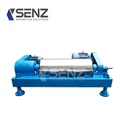
The machine consists of a rotating bowl and a screw conveyor inside the bowl. The mixture is fed into the centrifuge, and as the bowl rotates at high speed, the heavier solid particles are forced to the outer wall of the bowl. The screw conveyor then transports the solids towards the discharge end of the centrifuge. Meanwhile, the two liquid phases separate into layers based on their densities, and they are discharged through separate outlets.
Factors Affecting Energy Consumption
Several factors influence the energy consumption of a 3 - Phase Decanter Centrifuge. These include:
-
Rotational Speed: The rotational speed of the centrifuge bowl is one of the most significant factors affecting energy consumption. Higher rotational speeds generate greater centrifugal forces, which are necessary for efficient separation. However, increasing the rotational speed also requires more energy. The power required to drive the centrifuge is proportional to the cube of the rotational speed. So, even a small increase in speed can lead to a significant increase in energy consumption.
-
Feed Rate: The feed rate of the mixture into the centrifuge also affects energy consumption. A higher feed rate means more material needs to be processed, which requires more energy. However, if the feed rate is too low, the centrifuge may not operate efficiently, leading to increased energy consumption per unit of processed material.
-
Viscosity of the Mixture: The viscosity of the mixture being processed plays a role in energy consumption. Higher - viscosity mixtures require more energy to pump and separate. This is because the centrifuge has to work harder to overcome the internal friction of the mixture.
-
Solid Content: The amount of solid content in the mixture affects energy consumption. A higher solid content means more solids need to be separated and removed from the centrifuge. This requires more energy to drive the screw conveyor and to overcome the resistance of the solids against the bowl wall.
-
Efficiency of the Motor and Drive System: The efficiency of the motor and drive system used to power the centrifuge is another important factor. A more efficient motor and drive system will consume less energy for the same amount of work. Modern centrifuges are often equipped with high - efficiency motors and variable frequency drives (VFDs) that can adjust the motor speed according to the process requirements, thereby reducing energy consumption.
Measuring Energy Consumption
To accurately measure the energy consumption of a 3 - Phase Decanter Centrifuge, you can use an energy meter installed on the electrical supply to the centrifuge. This meter will record the amount of electrical energy consumed over a given period of time. You can then calculate the energy consumption per unit of processed material (e.g., kilowatt - hours per ton of processed mixture).
It's also important to consider the energy consumption in relation to the performance of the centrifuge. A centrifuge that consumes more energy but provides better separation efficiency may still be more cost - effective in the long run.
Strategies to Reduce Energy Consumption
Here are some strategies that can help reduce the energy consumption of a 3 - Phase Decanter Centrifuge:
-
Optimize Rotational Speed: Determine the optimal rotational speed for your specific application. This may require some experimentation to find the balance between separation efficiency and energy consumption. Using a VFD allows you to adjust the rotational speed according to the process requirements, which can lead to significant energy savings.
-
Control Feed Rate: Monitor and control the feed rate to ensure that the centrifuge is operating at its optimal capacity. Avoid overfeeding the centrifuge, as this can lead to increased energy consumption and reduced separation efficiency.
-
Pre - Treatment of the Mixture: If possible, pre - treat the mixture to reduce its viscosity and solid content. This can be done through processes such as heating, dilution, or filtration. Pre - treatment can make it easier for the centrifuge to separate the phases, thereby reducing energy consumption.
-
Regular Maintenance: Keep the centrifuge well - maintained to ensure that it is operating efficiently. This includes checking and replacing worn - out parts, lubricating moving components, and ensuring proper alignment of the bowl and screw conveyor. A well - maintained centrifuge will consume less energy and have a longer service life.
-
Use High - Efficiency Equipment: When purchasing a 3 - Phase Decanter Centrifuge, choose a model that is equipped with high - efficiency motors and drive systems. These components can significantly reduce energy consumption over the life of the centrifuge.


Cost - Benefit Analysis
When considering the energy consumption of a 3 - Phase Decanter Centrifuge, it's important to conduct a cost - benefit analysis. While reducing energy consumption can lead to cost savings in the long run, it's also necessary to ensure that the separation efficiency of the centrifuge is not compromised.
For example, investing in a more energy - efficient centrifuge may have a higher upfront cost, but the savings in energy consumption over the life of the centrifuge can offset this initial investment. Additionally, a more efficient centrifuge may also provide better separation results, which can lead to higher - quality products and increased productivity.
Conclusion
The energy consumption of a 3 - Phase Decanter Centrifuge is influenced by several factors, including rotational speed, feed rate, viscosity of the mixture, solid content, and the efficiency of the motor and drive system. By understanding these factors and implementing strategies to reduce energy consumption, businesses can optimize their operations, reduce costs, and minimize their environmental impact.
If you're in the market for a 3 - Phase Decanter Centrifuge or are looking to improve the energy efficiency of your existing centrifuge, I encourage you to contact us. Our team of experts can provide you with detailed information about our products and help you find the best solution for your specific needs. We're committed to providing high - quality, energy - efficient centrifuges that deliver excellent separation performance.
References
- Perry, R. H., & Green, D. W. (Eds.). (2008). Perry's Chemical Engineers' Handbook. McGraw - Hill.
- Svarovsky, L. (1990). Solid - Liquid Separation. Butterworth - Heinemann.